Why Supplements Still Feel Stuck in the 1950s
Walk down the wellness aisle of almost any major retailer today, and you are met with an overwhelming wall of isolation
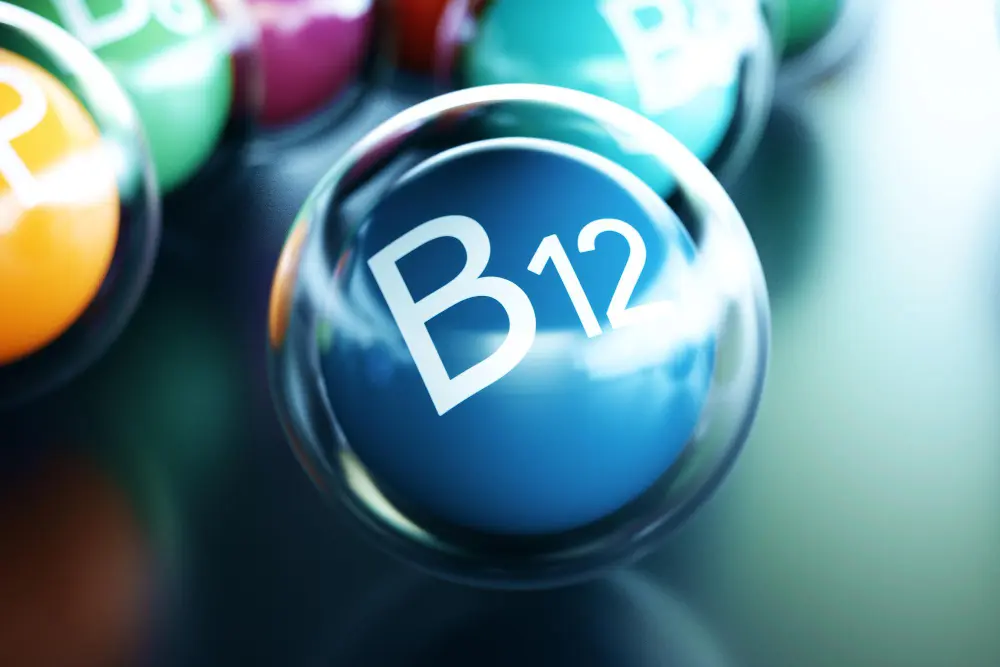


Two of the most common forms found in supplements are cyanocobalamin and methylcobalamin. While both provide vitamin B12, they differ in structure, metabolism, and biological activity.
Understanding these differences can help you make more informed decisions about your nutritional support.
Cyanocobalamin is a synthetic form of vitamin B12 commonly used in fortified foods and conventional supplements. It is favored for its stability and low production cost.
This form of B12 is not biologically active. Before the body can use it, cyanocobalamin must be converted into active forms through a series of metabolic steps. For many individuals, this conversion process works efficiently and poses no issue.
However, for some people, particularly those with digestive challenges, liver stress, or reduced metabolic efficiency, this additional conversion step may be less optimal.
Methylcobalamin is one of the biologically active forms of vitamin B12. Unlike cyanocobalamin, it does not require conversion and can be used directly by the body.
Methylcobalamin plays a role in several essential physiological functions, including:
• Supporting normal energy metabolism
• Contributing to red blood cell formation
• Supporting neurological and nervous system function
• Participating in methylation related pathways
Because of its direct biological activity, methylcobalamin is often selected in formulations designed to support nervous system health, cognitive clarity, and efficient nutrient utilization.
Methylcobalamin is already in an active form and can be readily utilized by the body. Cyanocobalamin must first be converted into active forms before it can participate in metabolic processes.
Cyanocobalamin undergoes conversion processes that release trace compounds generally considered safe at supplemental levels. Individuals seeking to minimize metabolic demand may prefer a form that bypasses this step.
Methylcobalamin is often chosen by individuals experiencing low energy, absorption challenges, or those seeking targeted nervous system support. It is also commonly used by people following plant based diets, who are at greater risk of inadequate vitamin B12 intake.
• Individuals experiencing fatigue or low energy
• People with digestive or nutrient absorption challenges
• Vegans and vegetarians
• Those seeking nervous system or cognitive support
• Individuals who prefer bioactive nutrient forms
Not necessarily. Both cyanocobalamin and methylcobalamin have been widely studied and used for decades. Cyanocobalamin remains an effective and accessible option for many individuals and continues to be used in public health and clinical settings.
Methylcobalamin is often selected for its direct biological activity and alignment with the body’s natural biochemistry, but the most appropriate form of vitamin B12 can vary based on individual needs, health status, and practitioner guidance.
The form of vitamin B12 you choose can influence how efficiently your body is able to use it. While cyanocobalamin remains a common and effective option, methylcobalamin offers a more direct path to biological activity, particularly for those seeking targeted, systems based nutritional support.
At More. Longevity & Wellbeing, we choose bioavailable forms like methylcobalamin because formulation details matter.
Some individuals carry genetic variations affecting the MTHFR enzyme, which plays a role in methylation processes in the body. These variations do not automatically impair vitamin B12 utilization, nor do they require special supplementation in all cases. However, individuals with reduced methylation efficiency may prefer bioactive nutrient forms that require fewer metabolic steps. Methylcobalamin is already in an active form and participates directly in methylation related pathways, which is why it is often selected in formulations designed to support efficient nutrient utilization, without implying that other forms of vitamin B12 are unsafe or ineffective.
Is cyanocobalamin unsafe?
No. Cyanocobalamin is considered safe and effective for many people and has been used in supplements and fortified foods for decades.
Does cyanocobalamin contain cyanide?
Cyanocobalamin contains a cyanide molecule as part of its structure, which is released in trace amounts during metabolism. These amounts are generally considered safe at supplemental levels.
Is methylcobalamin better for energy?
Both forms support normal energy metabolism. Some individuals report better subjective results with methylcobalamin, likely due to differences in utilization.
Do vegans and vegetarians need to supplement vitamin B12?
Vitamin B12 is primarily found in animal derived foods. Individuals following vegan or vegetarian diets are often advised to monitor intake and consider supplementation.
Why does More. use methylcobalamin?
We choose methylcobalamin because it aligns with our systems based, bioavailability focused formulation philosophy and supports efficient nutrient utilization.
This article is for informational purposes only and is not intended to diagnose, treat, cure, or prevent any disease. Individual needs vary. Please consult a qualified healthcare professional before starting any new supplement routine.





©2026 More longevity & Wellbeing

Merchandise manufactured in a facility that
complies with good manufacturing practices
Merchandise manufactured in a facility that
complies with good manufacturing practices