Liver Health and Hormonal Acne Explained
The connection between liver function, hormones, gut balance, and skin Many people search for “liver detox for acne” or “hormonal acne and liver health.”


One day you feel fine. The next you are exhausted, anxious, forgetting why you walked into a room, and wondering if you are “just stressed.”
You might be.
But you might also be entering perimenopause.
And here is the part most women are never told: perimenopause does not begin the day your period disappears. It can begin quietly, years and sometimes a decade before your final cycle.
At More. Longevity & Wellbeing, we believe that understanding your body is one of the most powerful forms of health care. So let’s look at the early signs of perimenopause that are often dismissed, misdiagnosed, or completely overlooked, and what they may be telling you.
Perimenopause is the hormonal transition phase leading up to menopause, which is defined as 12 consecutive months without a menstrual period.
During perimenopause, estrogen and progesterone begin fluctuating rather than following the predictable monthly rhythm your body is used to.
The average age is around 46, but it commonly begins between 40 and 45, and some women experience symptoms as early as their late 30s.
The transition typically lasts about four years, although for some women it can extend eight to ten years.
Because most women expect menopause only in their late forties or fifties, early symptoms are often attributed to:
• Stress
• Poor sleep
• Aging
• Anxiety
• Burnout
As a result, the real hormonal shift often goes unrecognized for years.
If anxiety suddenly appears despite no previous history, hormonal fluctuations may be part of the explanation.
Estrogen plays a role in regulating mood and nervous system signaling.
As levels fluctuate, many women experience:
• racing thoughts
• sudden anxiety
• waking with a pounding heart
• increased emotional sensitivity
Research from the American College of Obstetricians and Gynecologists (ACOG) indicates that around 40% of women experience mood symptoms during the menopausal transition.
Tracking when anxiety appears can be helpful. If it follows a cyclical pattern tied to your menstrual cycle, hormonal changes may be involved.
Perimenopausal fatigue often feels different from ordinary tiredness.
Women frequently describe it as deep exhaustion that does not improve even after a full night’s sleep.
A large analysis of over 145,000 symptom logs found that fatigue was the most commonly reported symptom during the menopause transition, affecting 74.8% of women.
Because fatigue develops gradually, many women assume they are simply overworked or aging.
Many women notice cognitive shifts such as:
• forgetting why they entered a room
• losing their train of thought
• struggling to focus
• difficulty concentrating at work
Estrogen interacts with brain regions responsible for memory and executive function. When levels fluctuate during perimenopause, mental clarity can fluctuate as well.
This symptom is sometimes misinterpreted as ADHD, burnout, or early cognitive decline when the underlying driver may be hormonal.
Heart palpitations during perimenopause can feel like:
• fluttering
• racing heartbeat
• skipped beats
Because these sensations are alarming, many women visit cardiologists before hormonal explanations are explored.
Estrogen interacts with the autonomic nervous system, which helps regulate heart rhythm. As estrogen levels shift, this regulation can temporarily become less stable.
Research suggests 20 to 40 percent of women experience palpitations during perimenopause.
This is often the first measurable sign of perimenopause, yet it is frequently overlooked.
Your cycles may become:
• shorter
• longer
• heavier
• lighter
• unpredictable
Ovulation may also become inconsistent. In some cases this leads to heavier bleeding rather than lighter periods, which surprises many women.
According to Harvard Health, when menstrual cycles begin stretching beyond 60 days apart, menopause is often one to two years away.
Hot flashes and night sweats get most of the attention, but sleep disturbances often begin before those classic symptoms appear.
Women frequently report:
• difficulty falling asleep
• waking between 2 and 4 AM
• lighter, less restorative sleep
Progesterone helps regulate sleep patterns, so fluctuations can affect the body’s natural sleep rhythm.
Poor sleep can then amplify fatigue, anxiety, brain fog, and mood changes, creating a cycle that is difficult to trace back to hormones.
Hormones influence more than reproduction. They also affect digestion.
Estrogen receptors exist throughout the gastrointestinal tract, and shifting hormone levels may contribute to:
• bloating
• nausea
• slower gut motility
• new food sensitivities
Because these symptoms resemble IBS or food intolerance, the hormonal connection is often missed.
Estrogen has anti-inflammatory effects throughout the body, including within joints and connective tissue.
As levels fluctuate, some women experience:
• morning stiffness
• hip or knee discomfort
• unexplained muscle aches
These symptoms are frequently attributed to aging or exercise strain when hormonal changes may also be involved.
Early hormonal shifts can also appear in the skin and hair.
Some women notice:
• increased hair shedding
• thinning hair
• dry skin
• new breakouts along the jawline
Because these changes often appear years before menopause, they are rarely connected to hormonal transitions.
Many women notice that their stress tolerance suddenly decreases.
Situations that previously felt manageable may suddenly feel overwhelming.
Estrogen plays a role in buffering cortisol, the body’s primary stress hormone. As estrogen levels decline, the nervous system may become more reactive to everyday stressors.
Over time, this heightened stress response can also affect sleep, mood, and energy.
Several factors contribute to delayed recognition of perimenopause.
Hormone tests can appear normal
Hormone levels fluctuate significantly during perimenopause. A single blood test may appear normal even when symptoms are present.
Symptoms overlap with other conditions
Perimenopause symptoms can resemble:
• anxiety disorders
• thyroid issues
• ADHD
• chronic fatigue
• fibromyalgia
This overlap often leads to misdiagnosis.
Education gaps still exist
Despite growing awareness, many women report that their symptoms are dismissed or minimized in clinical settings.
Track your symptoms
Tracking more than your period can reveal patterns.
Consider logging:
• sleep quality
• mood
• energy levels
• cognitive clarity
• digestion
• joint pain
Patterns over two to three months often provide more insight than a single blood test.
Speak with your doctor
Bringing a symptom journal can help guide productive conversations about hormonal changes and possible evaluation.
Support your body early
Perimenopause affects more than current symptoms. Hormonal changes also influence:
• cardiovascular health
• bone density
• metabolic function
• cognitive resilience
Early support can make a meaningful difference.
At More. Longevity & Wellbeing, every formula is designed with systems-based wellness in mind, recognizing how interconnected the body’s systems truly are.
Our Menopause Support blend was developed to support women navigating hormonal transitions, with ingredients selected to help the body adapt to changing physiology.
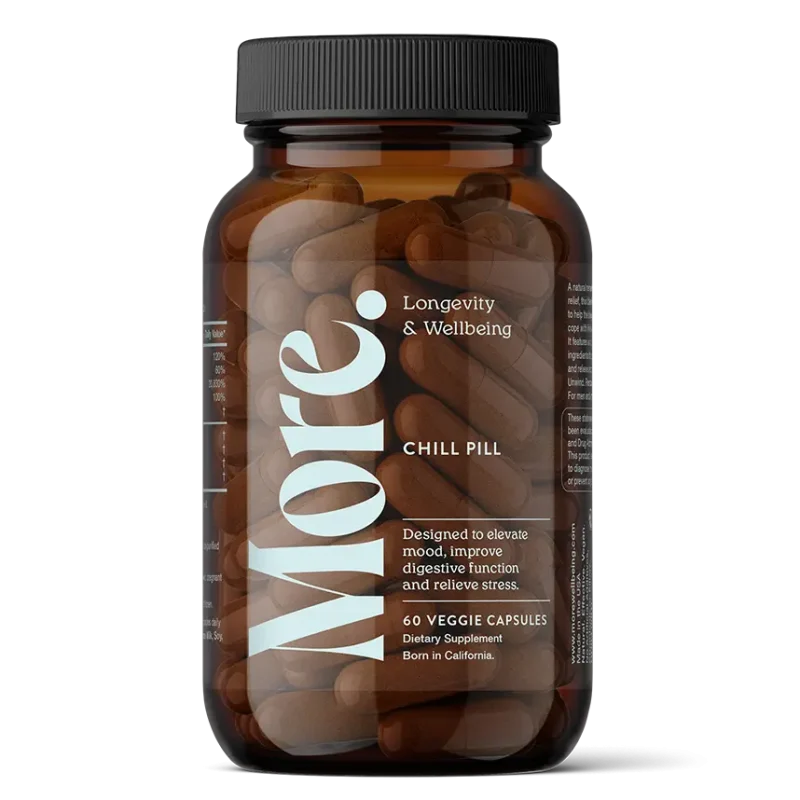
Our Chill Pill blend supports the nervous system during periods of heightened stress sensitivity, helping the body find calm without sedation.
Our Vitality Blend focuses on foundational energy support when fatigue becomes difficult to overcome.
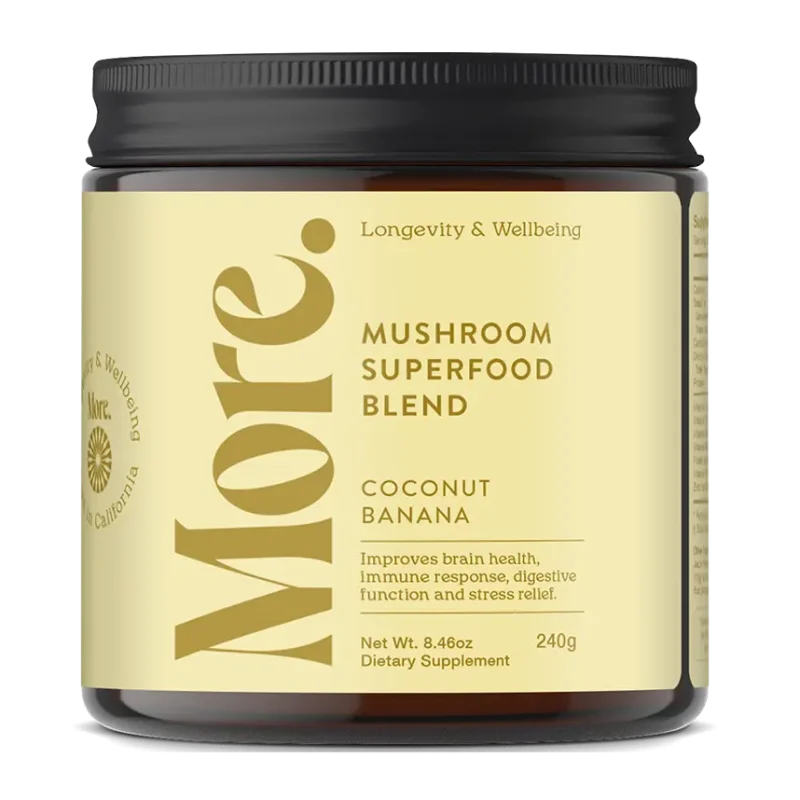
And our Mushroom Superfood Blends and mushroom coffee are designed to provide steady cognitive and energy support when brain fog makes daily tasks feel harder.
Across every formula, ingredients are chosen with bioavailability and synergy in mind, because the most meaningful supplement is the one your body can effectively use.
Perimenopause rarely announces itself.
It often appears quietly as:
• anxiety at 2 AM
• a cycle that suddenly changes
• brain fog that interrupts your day
• joints that ache without explanation
Your body is not failing you.
It is communicating.
The sooner these signals are recognized, the easier it becomes to support your body through this transition with clarity and confidence.
This article is for educational purposes only and does not constitute medical advice. Always consult your healthcare provider regarding your individual health.



©2026 More longevity & Wellbeing

Merchandise manufactured in a facility that
complies with good manufacturing practices

Merchandise manufactured in a facility that
complies with good manufacturing practices