Rather than chasing novelty, the future of wellness is defined by personalization, recovery, sustainability, and systems-based support. Below are the key wellness trends shaping 2025, grounded in current data, consumer behavior, and scientific direction—not speculation.
1. Personalization Moves From Buzzword to Baseline
Personalized wellness is no longer experimental—it’s becoming expected.
Tools that incorporate biomarkers, lifestyle inputs, and dietary patterns are helping individuals move away from one-size-fits-all health advice. Instead of generalized recommendations, people are seeking insights based on how their own bodies respond to nutrition, stress, sleep, and movement.
What’s changing in 2025 is the quality of personalization. The focus is moving beyond novelty data toward:
• Actionable insights rather than raw metrics
• Patterns over time, not snapshots
• Personal context, not isolated numbers
The result is a more realistic approach to health—one that supports consistency rather than constant adjustment.
Why it matters: Sustainable wellness requires alignment with the individual, not optimization at all costs.
2. Sleep Becomes a Foundational Health Priority
Sleep is no longer treated as optional recovery—it is increasingly recognized as a core pillar of long-term health.
In 2025, the emphasis is shifting from “sleep duration” to sleep quality and nervous system regulation. Consumers are paying closer attention to:
• Evening routines and circadian rhythm alignment
• Light exposure and digital habits
• Stress recovery and parasympathetic support
Rather than relying solely on devices or metrics, many are returning to foundational sleep hygiene practices that support the body’s natural rhythms.
Why it matters: Sleep influences metabolic health, cognitive function, immune resilience, and emotional regulation. Optimizing wellness without addressing sleep is no longer seen as effective.
3. Sustainability Becomes Non-Negotiable
Wellness is expanding beyond personal benefit to include environmental responsibility.
In 2025, consumers are scrutinizing not just what’s inside a product, but how it’s made, where it comes from, and what impact it leaves behind. This includes:
• Ingredient sourcing transparency
• Responsible manufacturing practices
• Thoughtful packaging decisions
Sustainability is no longer a marketing angle—it’s a trust signal.
Why it matters: Long-term health and planetary health are deeply connected. Consumers increasingly view ethical production as part of wellbeing itself.
4. Functional Nutrition Replaces Single-Ingredient Fixes
The era of chasing isolated “miracle ingredients” is fading.
In its place, 2025 continues a shift toward functional, systems-based nutrition—approaches that recognize how nutrients work together rather than in isolation. This includes:
• Adaptogens used in context, not excess
• Whole-food and extract-based formulations
• Support for stress, energy, digestion, and resilience as interconnected systems
Rather than stacking dozens of separate supplements, consumers are seeking fewer, more intentional solutions designed to work cohesively.
Why it matters: The body functions as an integrated system. Wellness strategies that respect this complexity tend to be more sustainable and better tolerated over time.
5. Mindful Eating Replaces Restrictive Diet Culture
Diet culture continues to lose credibility.
In 2025, there is growing interest in mindful and intuitive eating, focusing on nourishment rather than restriction. This approach emphasizes:
• Listening to hunger and satiety cues
• Choosing foods that support energy and digestion
• Reducing moral language around eating
Plant-forward diets, whole foods, and simplified ingredient lists are gaining traction—not as rules, but as supportive frameworks.
Why it matters: Long-term dietary success depends on relationship, not control. Wellness that adds stress undermines its own goal.
6. Digital Boundaries Become a Wellness Practice
As technology becomes more embedded in daily life, intentional disconnection is increasingly viewed as essential.
Rather than rejecting technology, people are learning to set boundaries with it. Common practices include:
• Screen-free mornings or evenings
• Designated phone-free time
• Short, regular digital breaks
This trend reflects a desire for presence, attention, and mental clarity—not avoidance.
Why it matters: Chronic digital stimulation can disrupt sleep, attention, and stress regulation. Boundaries help restore balance without eliminating modern tools.
7. Preventive Longevity Focuses on Daily Inputs, Not Extremes
Longevity is no longer framed as radical biohacking.
In 2025, the focus continues to move toward preventive, lifestyle-driven longevity, emphasizing:
• Consistent movement
• Stress resilience
• Metabolic and cognitive support
• Daily habits that compound over time
Wearables and health tracking tools are being used less for optimization and more for awareness—supporting informed decisions rather than perfectionism.
Why it matters: Longevity is built through daily inputs, not extreme interventions. Sustainable health favors consistency over intensity.
Conclusion: The Future of Wellness Is Quieter—and Smarter
The most meaningful wellness trends of 2025 share a common thread: intentionality.
Rather than chasing the newest product or protocol, consumers are prioritizing:
• What integrates into real life
• What supports the body as a system
• What aligns with long-term health, not short-term results
Wellness is becoming less about doing more—and more about doing what makes sense.
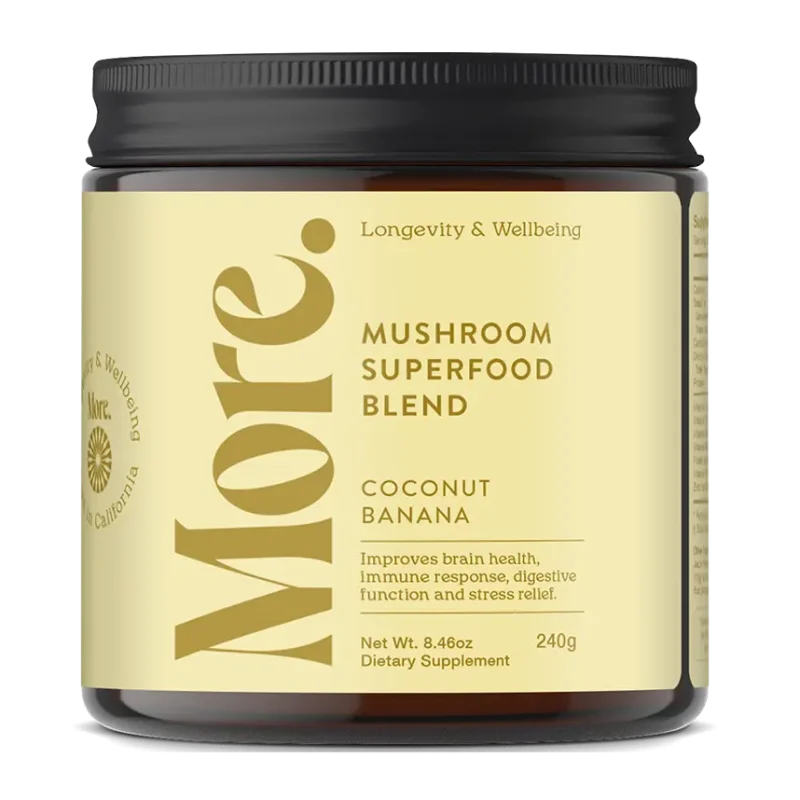
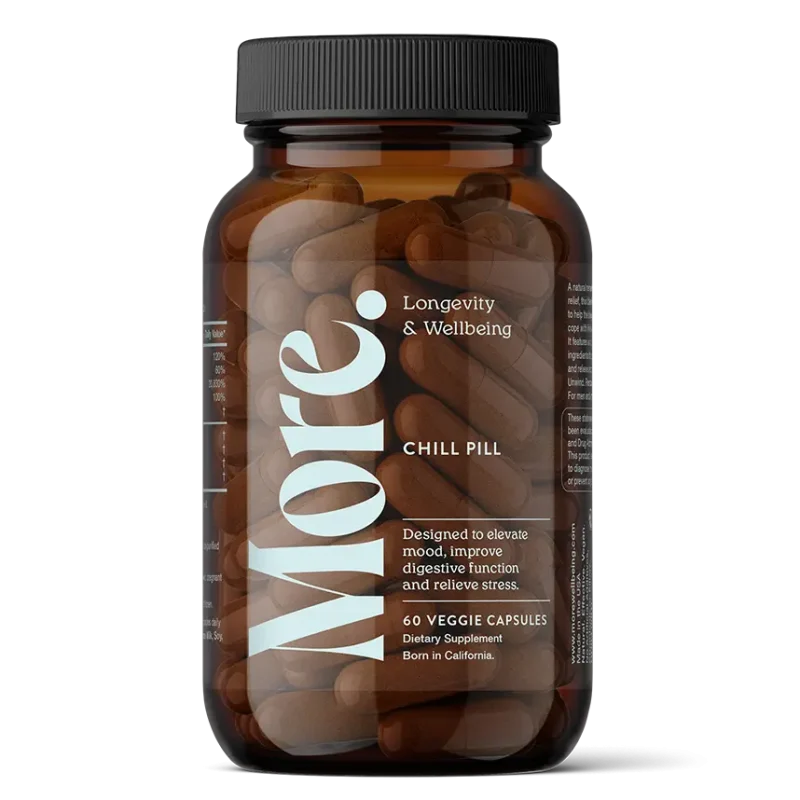
At More. Longevity & Wellbeing, this evolution reflects what we’ve believed from the beginning:
true wellbeing isn’t about trends. It’s about building support that lasts.
Disclaimer
This content is for educational purposes only and should not be considered medical advice. Always consult a qualified healthcare professional regarding individual health decisions.