Early Signs of Perimenopause Women Ignore
And What Your Body Is Really Telling You You didn’t plan for it. It didn’t come with a warning label.


To understand what you are actually getting, it helps to look beyond the serving count and examine how serving size is defined and how much material is included in each serving.
This is where the concept of the serving size illusion comes in.
A serving size tells you how much of a product you are meant to take at one time.
Grams per serving tell you how much physical material is actually in that serving.
These two numbers are related, but they are not the same.
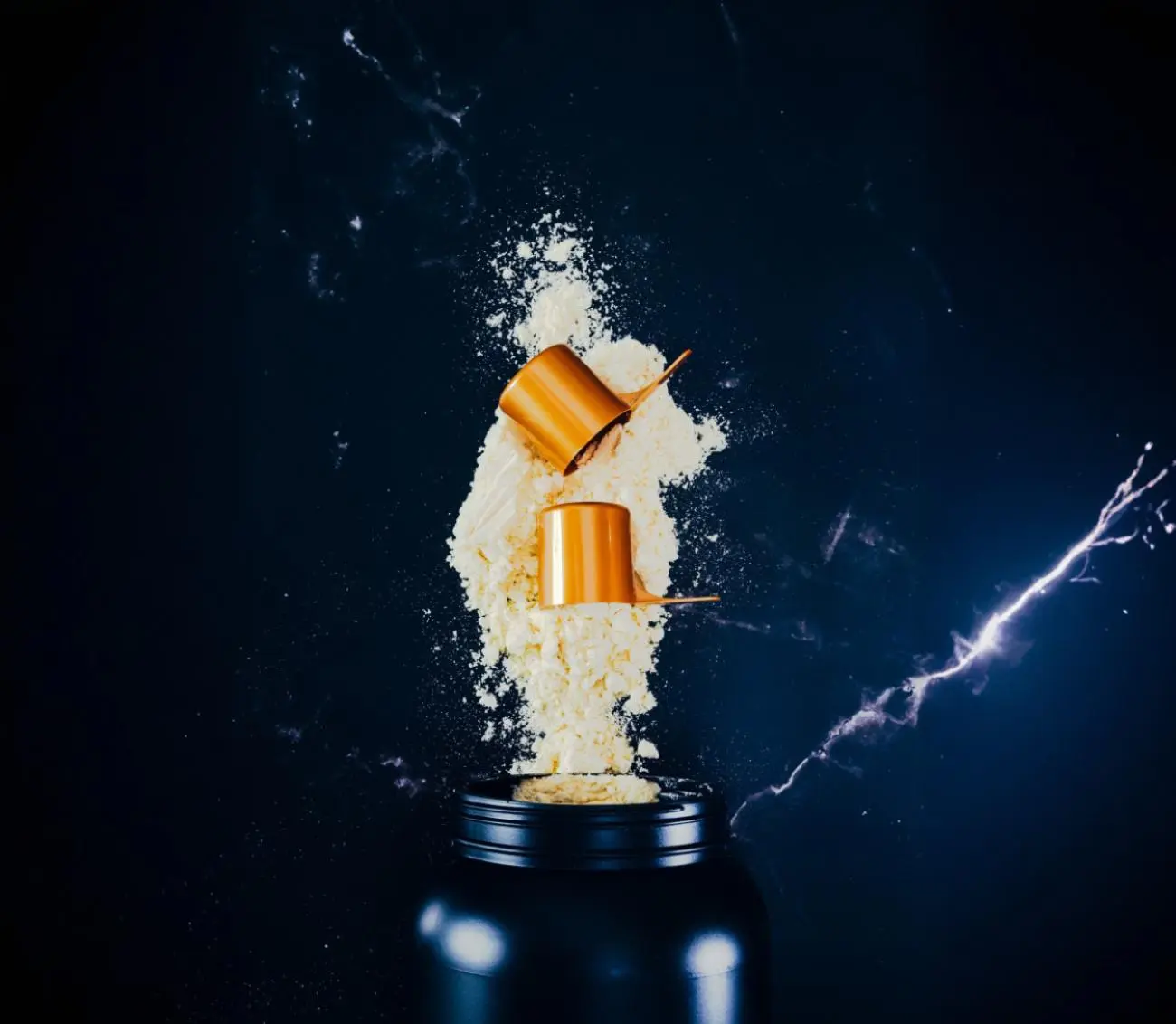
Some powder supplements define a serving as a very small amount, sometimes as little as one gram.
When a product defines one serving as a very small amount, the total number of servings automatically increases. This can make the container appear to offer more value at first glance.
Powder blends often contain multiple ingredients, such as botanicals, extracts, mushrooms, or prebiotic fibers. These ingredients take up space.
When the serving size is very small, there is limited room for ingredients to exist at meaningful amounts. Even if the ingredient list looks long, the physical space may only allow for trace quantities of each component.
This is not always obvious unless you look closely at the grams per serving and the ingredient breakdown.
This is not about opinions or trends. It is simple math.
A one-gram serving cannot realistically hold multiple extracts, botanicals, and supportive nutrients at substantial levels. The volume does not allow for it.
Larger serving sizes create more space for ingredients to exist in amounts that align with their intended use. This is especially relevant for powder blends designed to be mixed into beverages and used as part of a daily routine.
When evaluating a powder supplement, ask yourself:
• How many grams are in one serving
• Does the ingredient list realistically fit into that amount
• Are ingredient amounts fully disclosed or hidden within proprietary blends
• Does the serving size make sense for how the product is meant to be used
These questions help shift the focus from marketing numbers to formulation substance.
A thoughtfully designed serving size is not meant to inflate numbers or create visual appeal. It is meant to provide enough space for ingredients to work together as intended.
Well-designed formulations consider ingredient synergy, physical volume, and real-world use. This approach prioritizes function over optics.
A high serving count does not automatically mean better value or better support. What matters is how much substance is in each serving and whether the formulation makes sense when you look at the math.
Understanding serving size and grams per serving helps you read labels more clearly and make decisions based on what is actually inside the product.
At More. Longevity & Wellbeing, we design serving sizes intentionally, not to impress on paper, but to allow ingredients the space they need to exist at meaningful levels.
Because what matters is not how many servings are listed, but what is actually in each one.
This content is for educational purposes only and is not intended to diagnose, treat, cure, or prevent any disease. Consult a qualified healthcare professional before starting any supplement.



©2025 More longevity & Wellbeing

Merchandise manufactured in a facility that
complies with good manufacturing practices

Merchandise manufactured in a facility that
complies with good manufacturing practices