Muscle After 40: Why Weight vs Muscle Matters More

And that matters, because one of the most important shifts that happens with age is not simply a change in weight.
It is a gradual change in body composition.
Muscle changes over time. Strength does too. And if the only metric you are watching is the scale, it is easy to miss what is quietly becoming more important.

Capability Over the Scale

After 40, the wellness conversation has to mature.
The goal is not simply to become lighter.
The goal is to stay capable.

That means preserving the kind of strength that supports everyday life. Getting up easily. Carrying groceries. Staying steady. Moving with confidence. Feeling supported in your own body, not just smaller inside it.

This is where muscle changes the conversation.
Because muscle is not just about appearance.
It is about function.

It influences how stable we feel, how resilient we remain, and how well the body keeps up with the demands of everyday life. It supports movement, recovery, strength, and the kind of physical confidence that does not come from the scale.

That is why losing weight and improving health are not always the same thing.
Someone can lose weight while also losing muscle.
And if that happens, the body may become smaller without becoming stronger.
That is not a wellness win.

The Shift Most People Do Not Notice at First

One reason this matters more with age is that muscle loss can happen gradually.
Most people do not feel it happening all at once. That is exactly what makes it worth paying attention to now.
What often shows up first is not a dramatic moment. It is a quiet change.

Less strength. Less stability. More fatigue. Harder recovery. A body that feels a little less responsive than it used to.
This is why the scale becomes such an incomplete measure of progress over time.
You may be trying to improve your health, but if the process costs you strength, structure, and resilience, it may move you further away from the outcome you actually want.

After 40, the better question is often not:
How little can I weigh?

It is:
How well can I maintain strength, energy, and structure as I age?

Muscle and Bone Belong in the Same Conversation

Muscle does not exist in isolation.
It works in relationship with the rest of the body, especially bone.
Strength supports movement. It supports posture. It supports balance. It helps the body stay more capable and more resilient over time. And because muscle and bone are so closely connected, preserving one often supports the other.

This is why strength after 40 is not just about tone.
It is about structure.

It is about the foundation that helps the body stay supported for the long term.
A smaller body is not always a stronger one.
A stronger body is often the better goal.

What to Focus on Instead

Prioritize strength-building activity.
You do not need punishing workouts to support muscle. What matters most is consistency. Strength-building activity helps the body hold on to the capacity that becomes more valuable with age, not less.

Do not underestimate protein.
Muscle needs support, and nourishment matters. Protein is part of that conversation, especially after 40, when maintaining lean mass becomes more important than simply eating less.

Think beyond size.
A lower number is not always a better outcome. A better outcome is often a body that feels stronger, steadier, and more supported in everyday life.

Respect recovery.
Strength is not built by depletion alone. Recovery matters. So does sleep. So does giving the body the support it needs to rebuild, adapt, and stay resilient over time.

A Better Wellness Question After 40

Wellness after 40 should not become more punishing.
It should become more intelligent.
Less fixation on smaller numbers.

More attention to what helps the body stay capable.
More respect for strength, nourishment, recovery, and consistency.
Because healthy aging is not about taking up less space.

It is about protecting the strength, structure, and energy that carry you forward.
It is about caring for the body you will still be living in years from now.
And that is why muscle matters more than the scale.

Disclaimer

For educational purposes only. Not medical advice.

Stress, the Brain, and Long-Term Cognitive Health

But the body does not experience stress that way.
It responds to what is repeated.
And over time, that response begins to shape how the body functions, including the brain.

Stress Is Not Just Something We Feel

Stress is not just something we feel.
It is something the body does.
When the body perceives pressure, it activates internal systems designed to protect and adapt. In the short term, this response is essential. It sharpens focus. It prepares the body to respond.

It is not stress itself that becomes problematic, but when the body remains in that state without adequate recovery.
When that state becomes constant, the system no longer resets in the same way.

The body stays alert longer than it should.
Recovery becomes less complete.
And the effects begin to accumulate.

How Stress Affects the Brain

One of the areas most sensitive to this shift is the brain.
The hippocampus, a region involved in learning and memory, is particularly responsive to stress signals. Over time, prolonged exposure to elevated stress hormones has been linked to changes in how this area functions.
Not overnight.
But gradually.

Memory can feel less sharp.
Focus can become more difficult to sustain.
Mental fatigue becomes more familiar.
These are not isolated experiences.
They are part of how the body adapts to ongoing pressure.

Cognitive Health Is Built Through Patterns

Cognitive health is not defined by a single moment.
It is shaped by patterns.
• Sleep.
• Recovery.
• Movement.
• Stress load.
• Nutrient status.

Over time, these factors influence how the brain adapts and maintains function.
Large-scale research, including work referenced by the Lancet Commission, continues to highlight the role of modifiable lifestyle factors in long-term cognitive health. Not as a single cause, but as part of a broader picture that evolves over time.

The Difference Between Pressure and Recovery

Two people can move through life under very different conditions.
One lives in a near-constant state of pressure.

Sleep is inconsistent.
Recovery is limited.
Stress is rarely resolved, only carried forward.

Another builds in space for recovery.
Supports the body consistently.
Allows the system to reset.

The difference is not immediate.
But over time, the body reflects these patterns.
So does the brain.

What Stress Regulation Really Means

Stress regulation is often misunderstood.
It is not about eliminating stress.
It is not about doing less.

It is about supporting how the body responds, and how it returns to baseline afterward.
That ability matters.
Because the nervous system influences far more than mood.

It shapes sleep quality, energy patterns, inflammation, and cognitive function.
When the system is supported, the body is better able to adapt.
And to recover.

A Systems-Based Perspective on Cognitive Health

The body does not separate stress, energy, and cognition.
They are interconnected.
Supporting one influences the others.

This is where a systems-based perspective becomes essential.
Not isolated interventions.
Not short-term spikes.
But consistent support for how the body functions as a whole.

The Bottom Line

Cognitive health is not something that appears later in life.
It is built, quietly, over time.

Through daily patterns.
Through recovery.
Through how the body is supported under pressure.

Stress will always be part of life.
But how the body responds to it
is what shapes what comes next.
Choose you. Choose More.

Disclaimer

For educational purposes only. This is not medical advice.

The Shift Toward Nervous System Regulation

But that mindset is beginning to change.
Recent wellness trend reports from the Global Wellness Summit highlight a growing focus on emotional repair, nervous system regulation, and recovery as emerging priorities in modern wellness.

This shift reflects something important. Many people are no longer asking how to push their bodies harder. They are asking how to support their bodies so they can feel well, stay resilient, and function better over time.
That is a very different question. And it leads to a very different approach to health.

Why Nervous System Regulation Matters

The autonomic nervous system influences essential functions throughout the body.

It helps regulate:
• sleep cycles
• digestion
• immune signaling
hormonal balance
• inflammation responses
• cellular recovery processes

Modern life can keep this system under continuous pressure. Chronic stress, constant digital stimulation, poor sleep patterns, and demanding schedules can push the body into a prolonged fight or flight state.
Research in stress physiology has linked chronic stress with inflammation, metabolic disruption, and reduced resilience over time.

The experience is familiar to many people.
Feeling wired and exhausted at the same time.
Nervous system regulation focuses on restoring balance rather than adding more stimulation. It prioritizes recovery, steadiness, and the biological processes that allow the body to repair itself.

From Performance to Healthspan

Longevity research increasingly focuses on something called healthspan.
Healthspan refers to the number of years a person remains physically capable, mentally clear, and metabolically resilient.
Organizations such as the National Institute on Aging emphasize the importance of increasing not only lifespan but also the number of years people remain healthy and active.

The World Health Organization similarly frames healthy aging around maintaining functional ability over time.
Because of this, many people are asking new questions about their health.
Instead of asking how to feel something quickly, they are asking how to support their bodies so they continue functioning well decades from now.
That shift is redefining how people think about supplements and wellness routines.

The Rise of Gentle Health

Another emerging concept in modern wellness is what some researchers and practitioners describe as gentle health.
Gentle health does not mean passive health. It means choosing approaches that support the body’s natural processes rather than overwhelming them.

Many people are becoming more interested in nutrients that support cellular energy, stress resilience, and metabolic balance.
Examples often discussed in longevity research include:

• NAD⁺ precursors such as NMN and NR that support cellular energy metabolism
• CoQ10 and PQQ associated with mitochondrial energy production
• Polyphenols such as resveratrol, quercetin, and fisetin that support antioxidant defenses
• Adaptogens including ashwagandha and rhodiola that help the body adapt to stress
• Functional mushrooms such as Lion’s Mane and Reishi that support cognitive and immune resilience

The focus is not dramatic short term effects. The focus is supporting foundational biological systems over time.

Why Cellular Health Is Part of the Longevity Conversation

Cellular health has become a major topic in longevity science.
Research supported by institutions such as the National Institute on Aging highlights how mitochondrial function changes with age.

Mitochondria are responsible for producing cellular energy. When mitochondrial function declines, the body can experience reduced energy production, increased oxidative stress, and lower resilience.

This is one reason many wellness researchers are paying closer attention to the biological foundations of health rather than focusing only on surface symptoms.
People want to understand what supports the systems that influence how they feel over time.

Why Clean Formulation Matters

As consumers become more informed, they are also paying closer attention to how supplements are formulated.
They are reading labels more carefully and asking questions about ingredient transparency, compatibility between nutrients, and the role of additives or unnecessary fillers.

A supplement is not defined only by its active ingredients. Its quality also depends on formulation balance, thoughtful dosing, and whether the ingredients work well together.
For individuals focused on long term health, this kind of compatibility matters.

At More. Longevity & Wellbeing, formulations are designed with that philosophy in mind. Each ingredient is selected for its role within a broader system of support, emphasizing compatibility, balance, and long term wellbeing.

The goal is not to overwhelm the body with extremes.
The goal is to support the systems that sustain health.

How Systems Based Formulations Fit Into This Shift

If wellness is moving toward regulation, resilience, and longevity, supplementation also needs to evolve.
Instead of focusing on a single ingredient or a dramatic short term effect, modern formulations increasingly aim to support multiple biological systems together.

For example, nutrients that support:
• nervous system balance and stress resilience
• cellular energy production
• cognitive function and mental clarity
• metabolic and inflammatory balance

When these systems are supported together, the body often functions more smoothly overall.
This is the philosophy behind systems based wellness.

At More. Longevity & Wellbeing, formulations are designed to support interconnected systems rather than isolated symptoms.
Ingredients are selected for compatibility, thoughtful dosing, and long term support.
Because lasting wellbeing rarely comes from pushing the body harder.
It comes from supporting how the body works.

The Future of Wellness Is Not More Pressure

If you have found yourself stepping away from the culture of constant optimization, you are not alone.
Wellness culture is evolving.

Trend research from organizations like the Global Wellness Summit reflects a growing interest in nervous system regulation, recovery, and emotional resilience. At the same time, aging research continues to emphasize healthspan, resilience, and long term function.

The goal was never to push the body endlessly.
The goal was to support it wisely.

To feel clearer.
Steadier.
More resilient.
And well for the long term.

That is the direction wellness is moving.
And that is the philosophy behind More. Longevity & Wellbeing.
Explore the full collection at morewellbeing.com and discover formulations designed to support the systems that help the body function well over time.

FAQ

What is nervous system regulation?
Nervous system regulation refers to supporting the body’s stress response systems so they can return to balance more easily after stress or challenge. This may involve sleep support, stress management, recovery practices, and nutrients chosen to support resilience.

What is the difference between lifespan and healthspan?
Lifespan refers to how long someone lives. Healthspan refers to the number of years a person remains healthy, active, and capable.

Why is cellular health important for longevity?
Cellular energy production, mitochondrial function, and oxidative stress management all influence how the body ages and how resilient it remains over time.

Why are people focusing more on nervous system health?
Chronic stress and overstimulation are common features of modern life. Supporting nervous system balance may help improve recovery, resilience, and overall wellbeing.

Disclaimer

This article is for educational purposes only and is not intended as medical advice.
Statements regarding dietary supplements have not been evaluated by the Food and Drug Administration. These products are not intended to diagnose, treat, cure, or prevent any disease.

How to Choose a Liver Support Supplement

probably seen the same words repeated everywhere:
detox
cleanse
flush
purify
Bold claims. Dramatic language. Promises of quick transformation.

But when it comes to liver health, what actually matters?
A January 2026 analysis published in The American Journal of Gastroenterology reviewed the 20 top-selling liver supplements online. All 20 products made detoxification claims, yet many lacked strong clinical evidence supporting those claims. Together, those products generated nearly $39 million in annual revenue.

That raises a more useful question:
What should a well-designed liver support supplement actually contain?

What Ingredients Actually Support Liver Function?

Research suggests several nutrients may help support normal liver function and detoxification pathways, including:
• N-Acetyl-Cysteine (NAC), which helps the body produce glutathione
• Milk thistle extract, traditionally used to support liver cells
• Artichoke leaf, which supports bile production and flow
• Turmeric, known for antioxidant properties
• B vitamins that support metabolic and methylation pathways

Liver supplements that combine these ingredients in meaningful doses may help support the liver’s natural detoxification processes.

Your Liver Does Not Need a “Flush”

Before evaluating any supplement, it helps to understand what the liver actually does.

The liver is one of the most sophisticated metabolic organs in the body. It simultaneously:
• processes nutrients
• metabolizes hormones
• produces bile for fat digestion
• neutralizes toxins
• supports metabolic and energy pathways
These processes run continuously.

The liver does not accumulate toxins that must be flushed away. What it does need is nutritional support that helps its natural detoxification systems function efficiently, especially under modern stressors such as:
• alcohol consumption
• environmental toxins
• processed foods
• medication use
• metabolic stress

When supplements are designed responsibly, they support the body’s existing biological processes rather than claiming to replace them.

What Detoxification Actually Means

In physiology, detoxification refers to specific biochemical pathways.
The liver primarily relies on two stages:
Phase I detoxification
Transforms fat-soluble compounds into intermediate metabolites.

Phase II detoxification
Converts those compounds into water-soluble molecules that can be eliminated through bile or urine.

These pathways depend on enzymes, antioxidants, and supporting nutrients.
The important question therefore is not whether a supplement claims to “detox,” but whether it contains ingredients that support these natural processes.

Ingredients With Evidence Behind Them

Research evaluating liver supplements has identified more than 60 compounds used across popular products. Only a smaller group has meaningful research supporting their role in liver physiology.
Several of the most relevant include the following.

N-Acetyl-Cysteine (NAC)

NAC is one of the most mechanistically relevant nutrients for liver support.
It acts as a precursor to glutathione, the body’s primary intracellular antioxidant and a central component of detoxification pathways.
Research shows NAC can help support glutathione production and normal liver enzyme activity.
Our formula includes 500 mg per serving, an amount commonly used in research and clinical settings.

Milk Thistle Extract

Milk thistle contains silymarin, a group of flavonoids studied for their antioxidant and hepatoprotective properties.

Research suggests milk thistle may help:
• support antioxidant activity in liver cells
• help protect hepatocytes from oxidative stress
• support normal liver enzyme balance
Extract quality and ingredient transparency are important when evaluating milk thistle supplements.

Artichoke Leaf Extract

Artichoke supports bile production and flow, an important step in digestion and elimination.
The liver processes compounds during detoxification, but bile flow helps move those compounds out of the body. Supporting bile production helps complete this natural metabolic cycle.
Our formula includes 300 mg of artichoke leaf extract.

Turmeric Extract

Curcumin, the primary active compound in turmeric, is widely studied for its antioxidant and cellular-support properties.
Chronic metabolic stress can influence liver function. Curcumin’s antioxidant properties may help support cellular resilience.
Our formula includes 100 mg of turmeric extract.

Dandelion Root

Dandelion root has a long history of traditional use for digestive and liver support.
Emerging research suggests it may support bile secretion and antioxidant activity. While milder than some other ingredients, it complements formulas focused on digestion and bile flow.
Our formula includes 100 mg of dandelion root.

The Often-Overlooked Role of B Vitamins

Many liver formulas rely exclusively on botanical extracts.
However, detoxification is closely linked to methylation and metabolic pathways, which rely heavily on B vitamins.

Our formulation includes:
Vitamin B12 as Methylcobalamin (500 mcg)
A bioavailable form that the body can use directly.

Folate as Methylfolate (400 mcg)
The active form of folate that bypasses the conversion required by synthetic folic acid.

Vitamin B6 and Niacin
Both support enzymatic reactions involved in metabolism and detoxification.
Supporting methylation helps the liver perform the biochemical work it already does every day.

What to Look for on Any Liver Supplement Label

Whether evaluating our formula or another brand, a few criteria can help guide your decision.

Full dosage disclosure
Every ingredient should list its exact milligram amount.

Clear ingredient transparency
Consumers should be able to see exactly what is included in the formula.

Bioavailable nutrient forms
The form of a vitamin can matter as much as the dose.

Meaningful dosing
Ingredients should appear in amounts consistent with research, not symbolic quantities.

Clean capsule ingredients
Minimal excipients and clearly disclosed materials.
These details help distinguish thoughtful formulation from simple marketing.

The Marketing Red Flag Checklist

Before choosing a liver supplement, it can help to ask a few simple questions:
Does the product explain how the ingredients support liver pathways?
Are ingredient doses clearly listed?
Are nutrient forms disclosed?
Do the ingredient amounts appear meaningful?
Does the brand provide transparency around testing and sourcing?
Supplements that answer these questions clearly tend to be more thoughtfully designed.

Our Approach

When we formulated More. Longevity & Wellbeing’s Liver Detox Blend, the goal was simple: support the biological systems the liver already uses every day.

That meant including ingredients in meaningful amounts, such as:
• N-Acetyl-Cysteine — 500 mg to support glutathione production
• Artichoke Leaf Extract — 300 mg to support bile flow
• Milk Thistle Extract — 175 mg for antioxidant and cellular support
• Turmeric Extract — 100 mg for antioxidant and cellular support
• Dandelion Root — 100 mg for digestive and bile support

The formula also includes methylated B vitamins to support metabolic pathways connected to detoxification.
Every ingredient and dosage is clearly disclosed on the label.
Because people who care about their health deserve to know exactly what they are taking.

Explore More. Longevity & Wellbeing Liver Detox Blend at morewellbeing.com.


Frequently Asked Questions

Do liver supplements detox the liver?
The liver naturally detoxifies the body through Phase I and Phase II metabolic pathways. Supplements cannot replace these processes but may provide nutrients that support the enzymes and antioxidants involved.

Is NAC beneficial for liver support?
N-Acetyl-Cysteine helps the body produce glutathione, one of the most important antioxidants involved in liver detoxification pathways.

What is the most studied herb for liver health?
Milk thistle, particularly its active compound silymarin, is one of the most widely studied botanical ingredients used to support liver function.

Disclaimer

The information in this article is for educational purposes only and is not intended as medical advice. These statements have not been evaluated by the Food and Drug Administration. This product is not intended to diagnose, treat, cure, or prevent any disease. Always consult a qualified healthcare professional before starting any new supplement, especially if you are pregnant, nursing, taking medication, or have a medical condition.

Early Signs of Perimenopause Women Ignore

One day you feel fine. The next you are exhausted, anxious, forgetting why you walked into a room, and wondering if you are “just stressed.”
You might be.

But you might also be entering perimenopause.
And here is the part most women are never told: perimenopause does not begin the day your period disappears. It can begin quietly, years and sometimes a decade before your final cycle.

At More. Longevity & Wellbeing, we believe that understanding your body is one of the most powerful forms of health care. So let’s look at the early signs of perimenopause that are often dismissed, misdiagnosed, or completely overlooked, and what they may be telling you.

What Is Perimenopause?

Perimenopause is the hormonal transition phase leading up to menopause, which is defined as 12 consecutive months without a menstrual period.
During perimenopause, estrogen and progesterone begin fluctuating rather than following the predictable monthly rhythm your body is used to.

When does perimenopause start?

The average age is around 46, but it commonly begins between 40 and 45, and some women experience symptoms as early as their late 30s.
The transition typically lasts about four years, although for some women it can extend eight to ten years.

Because most women expect menopause only in their late forties or fifties, early symptoms are often attributed to:
  Stress
  Poor sleep
  Aging
  Anxiety
  Burnout
As a result, the real hormonal shift often goes unrecognized for years.

10 Early Signs of Perimenopause Women Often Ignore

1. Anxiety That Appears Out of Nowhere

If anxiety suddenly appears despite no previous history, hormonal fluctuations may be part of the explanation.
Estrogen plays a role in regulating mood and nervous system signaling.
As levels fluctuate, many women experience:
racing thoughts
  sudden anxiety
  waking with a pounding heart
  increased emotional sensitivity

Research from the American College of Obstetricians and Gynecologists (ACOG) indicates that around 40% of women experience mood symptoms during the menopausal transition.
Tracking when anxiety appears can be helpful. If it follows a cyclical pattern tied to your menstrual cycle, hormonal changes may be involved.

2. Persistent Fatigue That Sleep Does Not Fix

Perimenopausal fatigue often feels different from ordinary tiredness.
Women frequently describe it as deep exhaustion that does not improve even after a full night’s sleep.
A large analysis of over 145,000 symptom logs found that fatigue was the most commonly reported symptom during the menopause transition, affecting 74.8% of women.
Because fatigue develops gradually, many women assume they are simply overworked or aging.

3. Brain Fog and Memory Changes

Many women notice cognitive shifts such as:
  forgetting why they entered a room
  losing their train of thought
  struggling to focus
  difficulty concentrating at work

Estrogen interacts with brain regions responsible for memory and executive function. When levels fluctuate during perimenopause, mental clarity can fluctuate as well.
This symptom is sometimes misinterpreted as ADHD, burnout, or early cognitive decline when the underlying driver may be hormonal.

4. Heart Palpitations

Heart palpitations during perimenopause can feel like:
  fluttering
  racing heartbeat
  skipped beats

Because these sensations are alarming, many women visit cardiologists before hormonal explanations are explored.
Estrogen interacts with the autonomic nervous system, which helps regulate heart rhythm. As estrogen levels shift, this regulation can temporarily become less stable.
Research suggests 20 to 40 percent of women experience palpitations during perimenopause.

5. Changing or Irregular Periods

This is often the first measurable sign of perimenopause, yet it is frequently overlooked.
Your cycles may become:
shorter
longer
heavier
lighter
unpredictable

Ovulation may also become inconsistent. In some cases this leads to heavier bleeding rather than lighter periods, which surprises many women.
According to Harvard Health, when menstrual cycles begin stretching beyond 60 days apart, menopause is often one to two years away.

6. Sleep Disruption

Hot flashes and night sweats get most of the attention, but sleep disturbances often begin before those classic symptoms appear.

Women frequently report:
  difficulty falling asleep
  waking between 2 and 4 AM
  lighter, less restorative sleep

Progesterone helps regulate sleep patterns, so fluctuations can affect the body’s natural sleep rhythm.
Poor sleep can then amplify fatigue, anxiety, brain fog, and mood changes, creating a cycle that is difficult to trace back to hormones.

7. Digestive Changes

Hormones influence more than reproduction. They also affect digestion.
Estrogen receptors exist throughout the gastrointestinal tract, and shifting hormone levels may contribute to:
  bloating
  nausea
  slower gut motility
  new food sensitivities
Because these symptoms resemble IBS or food intolerance, the hormonal connection is often missed.

8. Joint Pain and Muscle Aches

Estrogen has anti-inflammatory effects throughout the body, including within joints and connective tissue.
As levels fluctuate, some women experience:
  morning stiffness
  hip or knee discomfort
  unexplained muscle aches
These symptoms are frequently attributed to aging or exercise strain when hormonal changes may also be involved.

9. Hair and Skin Changes

Early hormonal shifts can also appear in the skin and hair.
Some women notice:
  increased hair shedding
  thinning hair
  dry skin
  new breakouts along the jawline
Because these changes often appear years before menopause, they are rarely connected to hormonal transitions.

10. Increased Sensitivity to Stress

Many women notice that their stress tolerance suddenly decreases.
Situations that previously felt manageable may suddenly feel overwhelming.
Estrogen plays a role in buffering cortisol, the body’s primary stress hormone. As estrogen levels decline, the nervous system may become more reactive to everyday stressors.
Over time, this heightened stress response can also affect sleep, mood, and energy.

Why These Symptoms Are Often Missed

Several factors contribute to delayed recognition of perimenopause.

Hormone tests can appear normal
Hormone levels fluctuate significantly during perimenopause. A single blood test may appear normal even when symptoms are present.

Symptoms overlap with other conditions
Perimenopause symptoms can resemble:
  anxiety disorders
  thyroid issues
  ADHD
  chronic fatigue
  fibromyalgia
This overlap often leads to misdiagnosis.

Education gaps still exist
Despite growing awareness, many women report that their symptoms are dismissed or minimized in clinical settings.

What You Can Do Right Now

Track your symptoms
Tracking more than your period can reveal patterns.

Consider logging:
  sleep quality
  mood
  energy levels
  cognitive clarity
  digestion
  joint pain
Patterns over two to three months often provide more insight than a single blood test.

Speak with your doctor
Bringing a symptom journal can help guide productive conversations about hormonal changes and possible evaluation.

Support your body early
Perimenopause affects more than current symptoms. Hormonal changes also influence:

  cardiovascular health
  bone density
  metabolic function
  cognitive resilience
Early support can make a meaningful difference.

How More. Supports Women Through This Transition

At More. Longevity & Wellbeing, every formula is designed with systems-based wellness in mind, recognizing how interconnected the body’s systems truly are.

Our Menopause Support blend was developed to support women navigating hormonal transitions, with ingredients selected to help the body adapt to changing physiology.

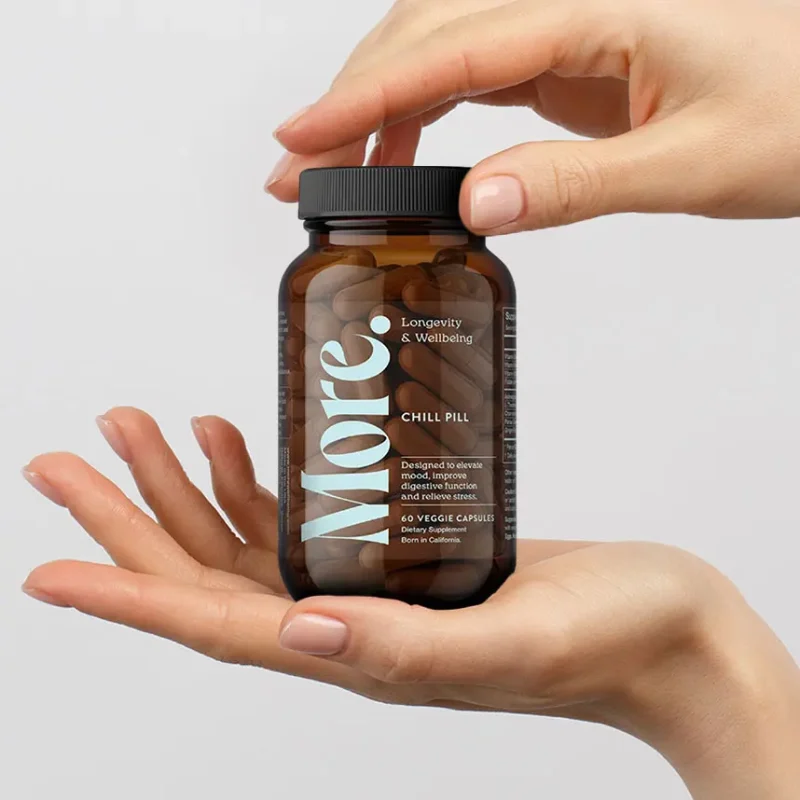
Our Chill Pill blend supports the nervous system during periods of heightened stress sensitivity, helping the body find calm without sedation.

Our Vitality Blend focuses on foundational energy support when fatigue becomes difficult to overcome.

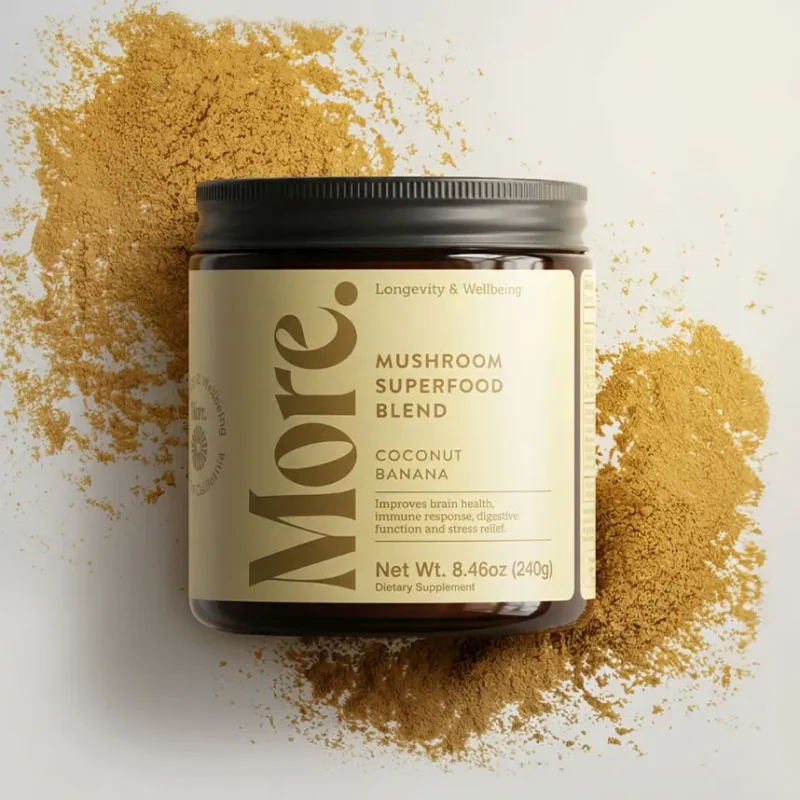
And our Mushroom Superfood Blends and mushroom coffee are designed to provide steady cognitive and energy support when brain fog makes daily tasks feel harder.

Across every formula, ingredients are chosen with bioavailability and synergy in mind, because the most meaningful supplement is the one your body can effectively use.

The Bottom Line

Perimenopause rarely announces itself.
It often appears quietly as:
  anxiety at 2 AM
  a cycle that suddenly changes
  brain fog that interrupts your day
  joints that ache without explanation

Your body is not failing you.
It is communicating.
The sooner these signals are recognized, the easier it becomes to support your body through this transition with clarity and confidence.


This article is for educational purposes only and does not constitute medical advice. Always consult your healthcare provider regarding your individual health.

Liver Health and Hormonal Acne Explained

The assumption is simple. If skin breaks out, the solution must be topical or hormonal.
But skin clarity is often influenced by something less visible.
Hormone clearance.


Why Hormonal Acne Is Not Just About Hormone Levels

Breakouts that:
• Follow your cycle
• Worsen during stress
• Appear in predictable patterns
• Become more persistent over time

Are often described as hormonal acne.
Most conversations focus on hormone production.
Fewer focus on what happens after hormones have done their job.
After estrogen, progesterone, and androgens complete their signaling role, they must be metabolized and cleared efficiently.
That process depends heavily on liver function.
Production is only half the story. Clearance shapes consistency.

How Liver Health Influences Skin Clarity

The liver transforms hormone metabolites so they can be eliminated through coordinated digestive pathways.
When hormone clearance is efficient, these compounds move through their natural rhythm.
When clearance slows, metabolites may remain active longer, influencing how they interact with tissues, including skin.
This does not mean the liver is failing. It means metabolism and elimination timing influence regulation.
Breakouts that align with your cycle often reflect internal timing.
Skin becomes the visible indicator of that rhythm.

The Liver, Gut, and Skin Axis

Hormone metabolites processed in the liver are transported through bile into the digestive tract.
Fiber intake and gut microbiota influence how effectively those compounds are eliminated.
Emerging research continues to explore links between hormone metabolism, gut microbiome balance, inflammatory signaling, and acne patterns.
This coordination between liver and gut shapes how consistent hormone regulation can be.
When internal regulation improves, skin often appears steadier.
Not because it was treated directly.
Because upstream systems are functioning efficiently.

Stress, Liver Function, and Breakouts

Stress influences hormonal signaling and inflammatory tone.
The liver participates in metabolizing stress-related hormones as part of overall metabolic regulation.
Many people notice their skin becomes more reactive during periods of high stress.
This pattern reflects systemic load rather than surface irritation alone.
Liver health, hormone balance, and skin clarity are interconnected through regulation, not isolation.

A Systems-Based Approach to Liver Support

Clear skin is frequently approached externally.
Cleansers. Peels. Spot treatments.
Those can support surface management.
But long-term stability often begins internally.

At More. Longevity & Wellbeing, Liver Support Blend is formulated with:
• Milk thistle to support healthy liver cell function
• Dandelion root to support bile flow
• Artichoke extract to assist metabolic processing
• Methylated B vitamins to support detoxification pathways
• Antioxidants to support cellular resilience

The goal is not aggressive detoxification.
It is steady rhythm.
When hormone clearance pathways function efficiently, skin often reflects that shift over time.

A Different Question to Ask

Instead of asking, “What should I apply?”
It may be more useful to ask, “How efficiently are my hormones being metabolized and cleared?”
The connection between liver health and hormonal acne is not about trends.
It is about physiology.
Skin clarity is rarely about force.
It is about coordination.
When regulation becomes steadier, skin often follows.
Choose you. Choose More.

Frequently Asked Questions

Can poor liver health cause acne?

The liver plays a central role in metabolizing and clearing hormone byproducts. When hormone clearance is less efficient, metabolites may circulate longer and influence inflammatory signaling in tissues, including skin. Acne is multifactorial, but internal metabolic regulation is one contributing factor.

Does liver detox help hormonal acne?

The term “detox” is often used loosely. The liver naturally detoxifies the body through structured metabolic pathways. Supporting liver function through balanced nutrition and lifestyle may support hormone clearance, which can influence skin clarity over time.

How are the liver, gut, and skin connected?

After hormone metabolites are processed in the liver, they are transported into the digestive tract for elimination. Gut microbiota and fiber intake influence how efficiently those compounds are cleared. This coordination between liver and gut shapes overall hormone regulation, which can reflect in skin patterns.

What supplements support liver health for hormonal skin concerns?

Botanicals such as milk thistle, dandelion root, and artichoke extract are commonly used to support healthy liver function. Nutrients involved in detoxification pathways, including certain B vitamins and antioxidants, also support metabolic regulation.

Disclaimer

This blog is for educational purposes only and is not intended to diagnose, treat, cure, or prevent any disease.

Tired in Your 40s? The Hormone Pattern Explained

Many women describe feeling tired but wired  exhausted during the day yet unable to fully rest at night. Common symptoms include brain fog, afternoon energy crashes, restless sleep, and increased stress sensitivity.
While hormonal shifts are part of the picture, midlife fatigue is rarely caused by estrogen alone.
The missing piece is often nervous system regulation.

Why Fatigue in Your 40s Feels Different

Energy changes in midlife are not simply about aging. They reflect shifts across multiple interconnected systems.
During perimenopause, estrogen fluctuates rather than declines steadily.

These hormonal variations influence:

• Cortisol rhythm
• Sleep architecture
• Blood sugar stability
• Neurotransmitter signaling
• Mitochondrial energy production

Estrogen interacts closely with the autonomic nervous system. When fluctuations become more pronounced, stress recovery may slow. Sleep becomes lighter. Blood sugar becomes more reactive. Over time, this contributes to persistent exhaustion and menopause-related energy crashes.
Midlife is a biological transition. As stress and hormone systems recalibrate, the body often requires different support than it did in earlier decades.

The “Tired but Wired” Pattern Explained

Many women in their 40s report feeling physically depleted yet mentally alert or restless. This pattern often reflects sympathetic nervous system dominance.

Signs may include:

• Difficulty falling asleep despite exhaustion
• Waking between 3 and 4 am
• Restless or fragmented sleep
• Afternoon crashes
• Heightened sensitivity to caffeine
• Increased anxiety or irritability

When the nervous system does not fully shift into parasympathetic recovery mode, deep restoration does not occur. Over time, this creates chronic fatigue that does not resolve with more sleep alone.

Understanding nervous system regulation is essential when addressing midlife exhaustion.

Midlife Fatigue Causes That Are Often Overlooked

If you are searching for the cause of fatigue in your 40s, consider the broader system interactions involved.
Common contributors include:

1. Hormone Fluctuations
Variable estrogen influences cortisol rhythm, sleep depth, and metabolic stability.

2. Chronic Stress Load
Long-term sympathetic activation reduces recovery efficiency.

3. Blood Sugar Instability
Insulin sensitivity shifts in midlife, contributing to energy highs and crashes.

4. Liver Function Changes
The liver metabolizes hormones. Slower clearance can influence overall energy.

5. Mitochondrial Efficiency
Chronic stress and inflammation may reduce cellular energy production.
Fatigue during menopause is typically multi-factorial. It reflects coordination challenges across systems rather than one isolated deficiency.

Is This Adrenal Fatigue?

Many women wonder whether midlife exhaustion is “adrenal fatigue.” While the term is widely searched online, the more accurate explanation often involves stress system dysregulation within the hypothalamic-pituitary-adrenal axis combined with nervous system imbalance.
The issue is not that the adrenal glands have stopped working. It is that stress signaling and recovery rhythms have become less synchronized.

Why More Stimulation Often Backfires

When energy declines, it is common to increase stimulation.

More caffeine.
Higher dose B vitamins.
Multiple adaptogens layered together.
Frequent energy supplements.

While stimulation can temporarily increase alertness, it does not correct nervous system imbalance. In some cases, excessive stimulation may worsen the tired but wired pattern.
Sustainable energy in your 40s requires restoring rhythm rather than forcing output.


A Regulation-Based Approach to Energy

A more effective strategy focuses on nervous system coordination.

This may include:
• Stabilizing cortisol rhythm
• Reinforcing circadian patterns
• Supporting parasympathetic recovery
• Using bioavailable nutrient forms
• Supporting liver detoxification pathways
• Addressing blood sugar stability

As regulation improves, energy becomes steadier rather than spiking and crashing.
When rhythm returns, energy follows.

Frequently Asked Questions About Fatigue in Your 40s

Why am I so tired in my 40s even when I sleep?
Fatigue in your 40s often relates to hormonal fluctuations and nervous system dysregulation. Even if sleep duration appears adequate, lighter or fragmented sleep can reduce true recovery.

Is extreme fatigue normal during perimenopause?
Energy shifts are common during perimenopause. However, persistent or severe exhaustion should not be ignored, especially if accompanied by additional symptoms.

Why do I feel tired but wired at the same time?
Feeling tired but wired typically reflects sympathetic nervous system dominance. The body is physically fatigued, but the stress response remains activated.

Can hormone changes cause fatigue?
Yes. Estrogen fluctuations influence sleep quality, stress response, glucose regulation, and mitochondrial activity. These changes can affect overall energy.

When should I see a doctor about fatigue in my 40s?
Consult a healthcare provider if fatigue is severe, worsening, or accompanied by symptoms such as unexplained weight loss, chest pain, persistent shortness of breath, heavy or irregular bleeding, significant mood changes, or sudden weakness. Thyroid disorders, anemia, sleep apnea, depression, and other medical conditions should be evaluated if symptoms persist.


For educational purposes only. This content is not medical advice and is not intended to diagnose, treat, cure, or prevent any disease.

The Quiet Shift Toward Sustainable Modern Wellness

At the same time, consumer research and practitioner observations suggest a growing disconnect. Many people report feeling less regulated, less resilient, and more depleted despite sustained effort.

This pattern appears frequently in midlife wellness. Consumers are informed and engaged. They follow routines, take supplements consistently, and invest in health. Yet common concerns remain, including fluctuating energy, disrupted sleep, digestive discomfort, and difficulty managing stress.

These observations suggest that the primary issue is often not a lack of motivation or education. Instead, they point to how support is structured and delivered across biological systems.

When Increased Input Does Not Always Improve Outcomes

Across wellness and supplementation, several recurring factors are associated with diminishing returns.

Overstimulation Without Adequate Recovery Support

Many products and routines are designed to increase output such as energy, focus, or alertness. When recovery and nervous system balance are not addressed alongside stimulation, this approach may contribute to elevated stress signaling rather than improved resilience.

Fragmented Supplement Use

Using multiple isolated ingredients across different products can compete for absorption, add unnecessary complexity, and in some cases make it harder to interpret what is actually providing benefit. More inputs do not always translate to clearer or more stable outcomes.

Limited Context Around Ingredient Interaction

When products are designed around single hero ingredients, the interactions and real-world context can be under-explained to consumers. While formulators may account for these interactions, labels rarely communicate how ingredients function together within broader systems.

In these situations, the challenge is not effort itself but complexity without coordination.

Stimulation and Regulation Are Not the Same Thing

An important distinction gaining attention in wellness is the difference between stimulation and regulation.

Stimulation refers to creating immediate effects such as heightened alertness or perceived energy. Regulation focuses on supporting balance, recovery, and adaptability over time.

A simple example is caffeine. It can increase alertness quickly, but when relied on chronically without adequate recovery support, it may interfere with sleep quality and stress resilience. In contrast, practices and nutrients that support sleep architecture or nervous system recovery tend to work more gradually and with fewer immediate signals.

As more people experience anxiety, inconsistent energy, or disrupted sleep despite ongoing wellness routines, the limitations of stimulation-focused strategies are becoming clearer.

A Systems-Based Perspective on Health Support

The body functions through interconnected systems. Nervous system activity influences digestion. Liver function affects hormone metabolism. Metabolic stability contributes to mood and energy regulation.
A systems-based approach emphasizes coordination rather than intensity. Instead of asking what can be added, it prioritizes identifying what needs stabilization or simplification.

This perspective often favors:
Meaningful dosing rather than extensive ingredient lists
Bioavailable forms suitable for consistent use
Predictable routines over aggressive protocols
Support that aligns with biological capacity

The focus shifts from short-term optimization to long-term sustainability.

What Supplement Labels Commonly Leave Unclear

Supplement labels frequently highlight ingredient quantity but offer limited context.

They often do not explain:
Whether doses are sufficient for intended effects
How ingredients may interact or compete for absorption
Whether forms are appropriate for long-term, daily use

As a result, consumers may interpret complexity as effectiveness, even when clarity and relevance would be more useful.

Where the Wellness Conversation Is Moving

Current industry trends suggest wellness is moving toward recovery, regulation, and long-term resilience. This shift is visible across multiple areas, including somatic practices, breathwork, neuro-focused wellness tools, clean-label formulations, and sustainability-minded supplement design.
Rather than prioritizing extremes, there is increasing interest in stability, consistency, and systems-level support.

Consumers are asking more precise questions:
Why does energy fluctuate despite consistent routines?
How does chronic stimulation affect recovery over time?
What does effective regulation look like in daily life?

These questions reflect an ongoing recalibration in how wellness is evaluated. The shift is gradual, but it is increasingly visible across both consumer behavior and product development.

Disclaimer

For educational purposes only. Not medical advice.

Healthy After 60: Strength, Hormones, and Stability

These changes are common, well-documented, and often misunderstood. Research shows that the years following menopause represent a critical period for supporting bone strength, nervous system regulation, and long-term stability.

This stage benefits from informed, steady support rather than short-term solutions.

What changes in the body after menopause

Although menopause marks the end of reproductive cycling, its biological effects continue well into the 60s.

Estrogen remains low, influencing multiple systems simultaneously. Bone remodeling slows. Muscle mass becomes harder to maintain. Insulin sensitivity can shift. The nervous system often becomes more reactive to stress, sleep disruption, and overstimulation.

Many women expect stability after menopause. Instead, they encounter a quieter phase of recalibration that calls for long-term, systems-based support.

Bone health after 60 is about signaling, not just calcium

Bone health is one of the most researched aspects of women’s health after menopause.

Studies show that women can lose up to 20 percent of bone density in the years following menopause, with continued loss into their 60s. This often occurs without pain or obvious symptoms, which is why it is frequently overlooked.

Bones are living tissue. They respond to signals from nutrients, hormones, movement, and the nervous system.

What research shows supports bone strength

Effective bone support extends beyond calcium intake.
Research consistently highlights the importance of:

Vitamin D for calcium absorption and bone signaling
Vitamin K2 for directing calcium into bone tissue
Magnesium for mineral balance and bone structure
Adequate protein to support the bone matrix
Weight-bearing and resistance movement to stimulate bone remodeling

Supporting bone health means supporting how the body uses minerals, not simply how much is consumed.

One practical anchor to focus on now

For women in their 60s, research consistently points to three priorities that matter more than complexity:
Consistent weight-bearing and resistance movement that feels sustainable
Adequate daily protein intake to support muscle and bone structure
Stress-regulating routines that promote calm and better sleep

These factors work together. Movement signals bone strength. Protein supports structure. Nervous system regulation protects recovery and long-term resilience.

Muscle strength, balance, and confidence in movement

Loss of muscle strength accelerates after age 60, even when body weight remains stable.
Research shows that strength declines faster than muscle size. This affects balance, coordination, and confidence in movement, all of which play a role in fall risk.

Supporting muscle function helps protect bones and independence. Strength, balance, and nervous system regulation are deeply connected.

Hormonal changes continue beyond menopause

Although estrogen production stabilizes at low levels after menopause, its downstream effects continue to influence the body.

The liver remains central to hormone metabolism and clearance. Stress hormones such as cortisol affect sleep, bone density, and inflammation. Neurotransmitters involved in mood, focus, and emotional regulation shift with age and stress exposure.

This is why postmenopausal support is not only about hormones themselves. It is about the systems that regulate hormonal balance and stress response.

Why nervous system support matters more in your 60s

The nervous system plays a central role in how the body adapts to aging.
Research shows that chronic stress and poor sleep can negatively affect bone density, muscle recovery, digestion, and cognitive clarity. Many women notice that calm, consistency, and routine matter more than intensity.

One woman in her early 60s described it simply:
“I still feel capable. I just need quieter conditions to feel my best.”
Supporting nervous system regulation helps promote better sleep, steadier energy, and improved recovery.

Digestive changes and nutrient absorption after 60

Digestive efficiency often changes with age.
Studies suggest that digestive enzyme production may decline and gut motility can slow. Microbiome diversity also shifts after menopause. These changes can affect how well nutrients are absorbed, including those essential for bone and brain health.
Gentle, consistent digestive support helps ensure the body can effectively use the nutrients it receives.

Supporting bone health and hormonal balance together

Bone strength and hormonal balance are closely linked.
Estrogen influences bone remodeling, but so do cortisol levels, vitamin D status, magnesium availability, sleep quality, and inflammation. Stress and poor sleep can accelerate bone and muscle loss.
This is why a combined, systems-based approach is effective.

How Bone Support and Menopause Support work together

Bone Support is formulated to support mineral utilization and bone signaling to help protect bone density and skeletal strength over time

Menopause Support is formulated to support nervous system regulation, liver pathways, and hormonal balance to help promote calmer evenings, steadier energy, and more restorative sleep

Together, they support the interconnected systems that influence strength, stability, and resilience as the body adapts with age.

What women in their 60s consistently value

Research and lived experience show that women in this stage prioritize:
Stability over quick results
Clarity over complexity
Consistency over constant protocol changes
Support that respects experience and autonomy
Approaches that protect mobility and independence

Health in your 60s is less about doing more and more about supporting the body effectively and sustainably.

A long-term perspective on health after 60

The early 60s represent an important window for long-term wellbeing.

With informed, consistent support, the systems that protect bone strength, mobility, cognitive clarity, and emotional resilience can be supported for years to come.

Health at this stage is not shaped by extremes or trends. It is built through steady choices that align with how the body actually functions.

At More. Longevity & Wellbeing, our formulations are designed with this long-term perspective in mind, supporting the systems that matter most as life continues to evolve.

Your Cart
Add $100 more to your cart to unlock Free U.S. Shipping!
$100
Your wellness bag is waiting. Start with these essentials.Return to Shop
Wellness Essentials Our Customers Love