Why Supplements Still Feel Stuck in the 1950s
Walk down the wellness aisle of almost any major retailer today, and you are met with an overwhelming wall of isolation


Mitochondria are often called the “powerhouses” of your cells—and for good reason. These tiny organelles take the food you eat and convert it into ATP (adenosine triphosphate), the energy currency your body uses for everything from brain function to muscle movement.
Think of mitochondria like tiny power plants. When they’re running well, the lights stay on. When they falter, your whole system dims.
When mitochondrial function declines or becomes inefficient, your body produces less ATP—leading to widespread symptoms, including:
• Persistent tiredness—even after a full night’s sleep
• Brain fog or difficulty focusing
• Muscle weakness or soreness
• Low stamina or trouble keeping up with physical activity
A 2023 review in Frontiers in Aging highlights how mitochondrial dysfunction plays a central role in chronic fatigue and age-related decline in energy.
Several everyday factors can impair mitochondrial function:
• Poor nutrition – Deficiencies in key micronutrients, antioxidants, and healthy fats
• Chronic stress – Elevated cortisol and oxidative stress impair mitochondrial dynamics
• Environmental toxins – Exposure to air pollution, pesticides, and heavy metals damages mitochondria
• Infections – Viral infections like EBV and COVID-19 have been linked to mitochondrial injury
• Aging – Mitochondrial efficiency naturally declines with age
• Genetics – Some people inherit variations that affect energy metabolism
Studies from 2021–2024 link environmental pollutants and even low-grade stress to mitochondrial fragmentation and impaired ATP production.
Mitochondrial health is foundational, but fatigue is often multifactorial. Other key contributors include:
• Sleep issues (insomnia, apnea, poor circadian rhythm)
• Hormonal imbalances (thyroid, cortisol, estrogen/testosterone)
• Mental health challenges (burnout, depression, anxiety)
• Chronic illness (inflammation, autoimmune conditions, diabetes)
• Lifestyle imbalances (overtraining, undertraining, lack of movement)
A 2022 study in Cell Reports demonstrates how psychological stress can directly disrupt mitochondrial dynamics and cellular energy balance.
Your body is designed to adapt and restore. Here’s how to support mitochondrial health and regain energy:
• Eat nutrient-rich foods: Focus on whole foods, colorful veggies, healthy fats (like olive oil & avocado), and clean protein.
• Exercise regularly: Both aerobic and resistance training improve mitochondrial density and efficiency.
• Manage stress mindfully: Breathwork, meditation, and nervous system support reduce mitochondrial stress load.
• Minimize toxins: Choose natural products, filter water, and avoid synthetic additives when possible.
• Sleep intentionally: Aim for 7–9 hours of quality rest to allow mitochondrial repair and regeneration.
If fatigue is:
.
• Long-lasting (more than 2–3 weeks)
• Interfering with daily life
• Paired with symptoms like fever, pain, or weight loss…
…it’s time to consult a healthcare provider. Mitochondrial support works best when combined with proper medical care and diagnosis.
Your mitochondria are a vital—but often overlooked—foundation of your energy. By supporting them with whole foods, movement, stress reduction, and targeted nutrients, you give your body the tools it needs to thrive from the inside out.
Looking for Targeted Support?
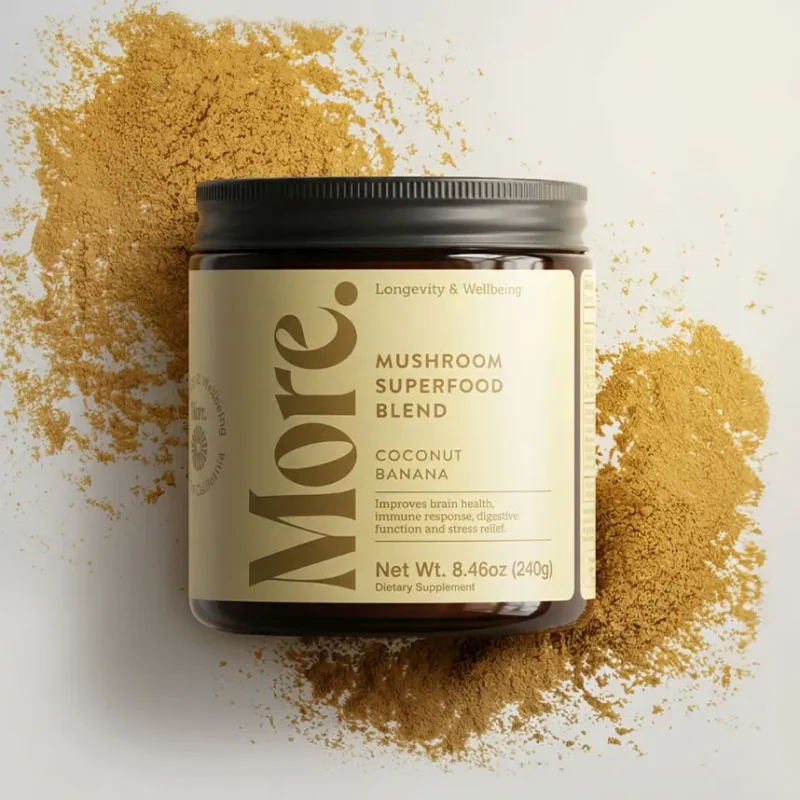
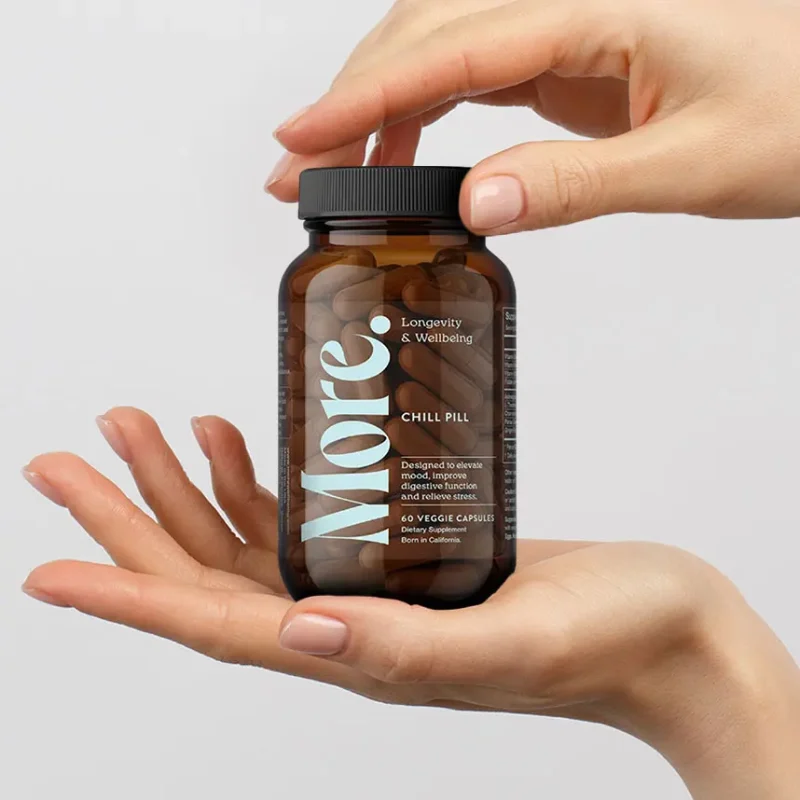
At More. Longevity & Wellbeing, we create science-backed wellness blends to nourish your body on a cellular level.
No fillers. No lab-made sugars. No shortcuts—just clean, thoughtful support for real energy.
Explore our formulas at MoreWellbeing.com
These statements have not been evaluated by the Food and Drug Administration. This content is for informational purposes only and is not intended to diagnose, treat, cure, or prevent any disease. Always consult your healthcare provider before beginning any new health protocol or supplement.





©2026 More longevity & Wellbeing

Merchandise manufactured in a facility that
complies with good manufacturing practices

Merchandise manufactured in a facility that
complies with good manufacturing practices