The Mitochondria Connection: Oxygen and Real Energy

What Mitochondria Actually Do

Mitochondria convert oxygen and nutrients into ATP, the molecule that powers every function in the body.
When they work well, energy feels steady and clear.
When they slow down, you may feel tired, unfocused, or mentally foggy.

Why Modern Life Affects Energy

• ongoing stress that elevates cortisol
• poor sleep and disrupted circadian rhythms
• highly processed foods and nutrient gaps
• environmental load that increases oxidative stress

These factors can make cells less efficient at producing energy, leading to fatigue or low endurance.

The Oxygenation Link

Oxygen allows mitochondria to release energy efficiently from food.
When oxygen use is reduced, the body shifts toward short-term stress responses rather than steady cellular energy.
Supporting mitochondrial function and oxygenation encourages balanced metabolism throughout the day.

A Historical Note: The Budwig Protocol

In the 1950s, biochemist Dr. Johanna Budwig explored how certain fats could support healthy oxygen use in cells.

Her approach, which combined flaxseed oil with cottage cheese, was never proven as a medical treatment but reflected an early understanding that oxygen, nutrients, and cellular health are deeply connected.

This idea parallels Ayurvedic principles that emphasize nourishment, balance, and supporting the body’s natural intelligence instead of relying on stimulants.

More. Longevity & Wellbeing shares that same philosophy: real energy comes from alignment, not intensity.

How More. Supports Mitochondrial Function and Oxygenation

All ingredient lists below reflect exactly what is on the product labels.

Vitality Blend (Coconut Vanilla Latte with Matcha)

• Vitamin C (Sodium Ascorbate + Camu Camu)
• Vitamin B3 (Niacin)
• Vitamin B6 (Pyridoxine HCl)
• Vitamin B12 (Methylcobalamin)
• Folate (Methylfolate)
• Magnesium Glycinate
• Rhodiola Root
• Blueberry Fruit Extract
• Cranberry Extract
• Pomegranate Fruit Extract
• N-Acetyl-L-Tyrosine
• L-Theanine
• Matcha Green Tea
• Inulin (prebiotic fiber)

How it supports energy:

This blend combines methylated B vitamins, magnesium glycinate, antioxidant-rich fruit extracts, L-theanine, NAC-tyrosine, rhodiola, and matcha.
These nutrients support mitochondrial enzyme activity, healthy stress responses, and steady oxygen use.

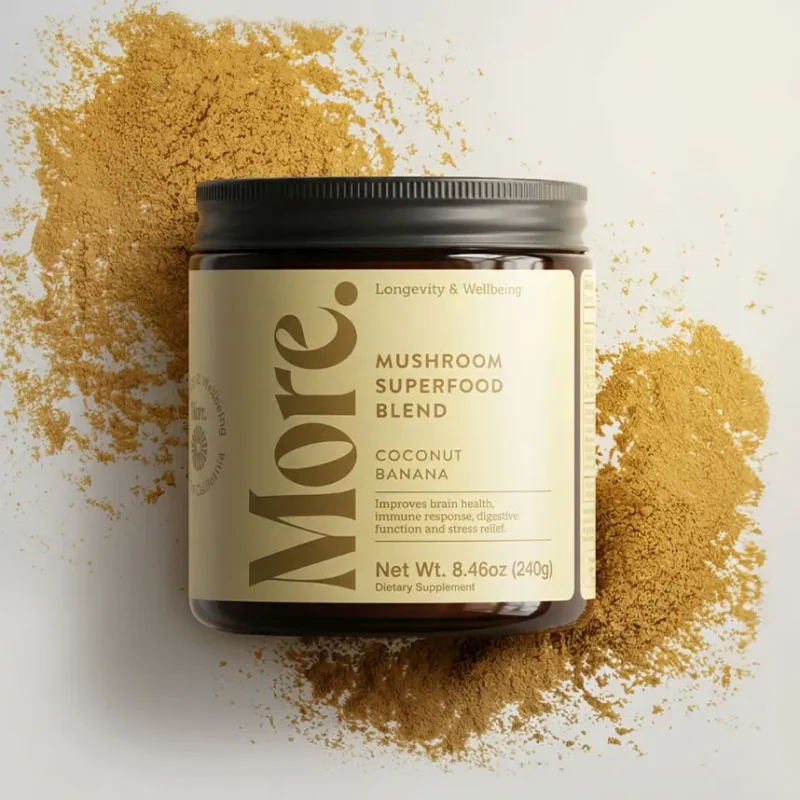
Mushroom Coffee Superfood Blends (Mocha)

• Caffeine from Green Tea Extract
• Ashwagandha Extract
• Panax Ginseng
• Lion’s Mane
• Chaga
• Cordyceps
• Maitake
• Reishi
• Inulin
• Zinc (Zinc Glycinate Chelate)

How it supports energy:

Cordyceps has been traditionally used to support endurance and oxygen uptake.

Lion’s Mane, Reishi, and Chaga provide antioxidant support.

Ashwagandha and ginseng complement healthy stress responses.

Together, these extracts offer steady daily support without overstimulation.

Relax Calming Blend (Honey Lemon Ginger)

• Vitamin C
• Vitamins B3, B6, B12 (methylcobalamin), methylfolate
• Magnesium Citrate
• Ginger Root Extract
• Ashwagandha Extract
• Passionflower Extract
• Chamomile Extract
• N-Acetyl-L-Cysteine
• GABA
• L-Theanine
• 5-HTP
• Inulin (prebiotic fiber)

How it supports energy:

Rest and recovery are essential for mitochondrial repair.
This blend supports relaxation, calm digestion, and nervous system balance, helping set the foundation for steady daytime vitality.

Menopause Support Blend

• Vitamins B3, B6, B12 (methylcobalamin), methylfolate
• GABA
• Chasteberry
• Wild Yam
• Black Cohosh
• Burdock Root
• Dong Quai
• Red Clover
• Passionflower
• Hops
• Lemon Balm

How it supports energy:

Hormonal changes can affect oxygenation, sleep, and temperature regulation.
These botanicals have been traditionally used to support balance and emotional wellbeing, which may help maintain steady energy throughout the day.

Liver Detox Blend

• Vitamins B3, B6, B12 (methylcobalamin), methylfolate
• N-Acetyl-Cysteine
• Artichoke Leaf Extract
• Milk Thistle Extract
• Turmeric Extract
• Dandelion Root

How it supports energy:

The liver plays a key role in nutrient metabolism and detoxification.
NAC, milk thistle, turmeric, and artichoke leaf support antioxidant activity and healthy liver function, which are important for overall metabolic efficiency.

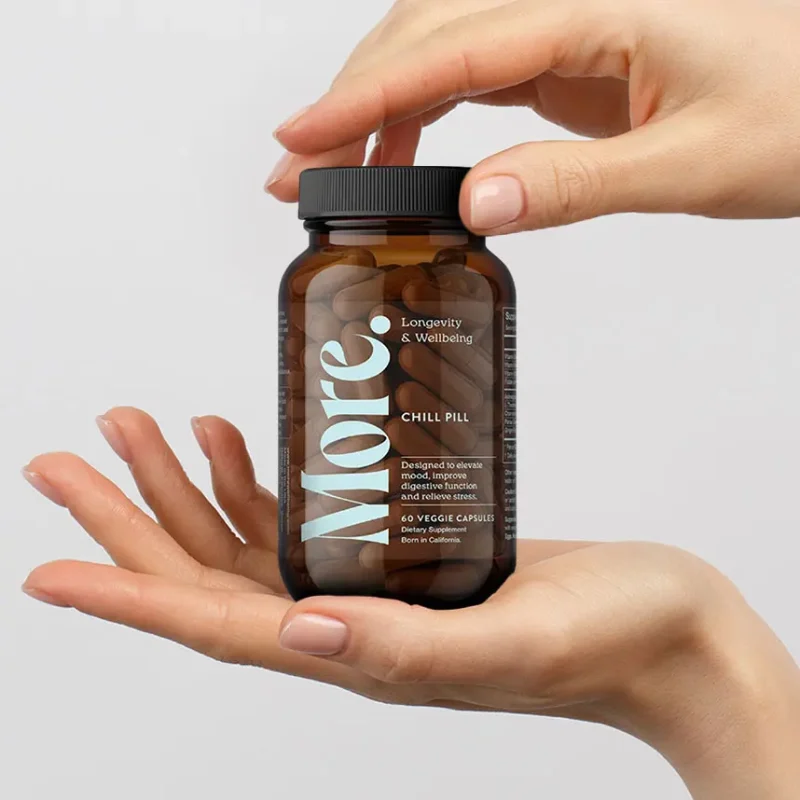
Chill Pill

• Vitamins B3, B6, B12 (methylcobalamin), methylfolate
• Ashwagandha Extract
• L-Theanine
• Chamomile Extract
• Panax Ginseng
• Ginger Root Extract
• Inulin

How it supports energy:

Stress can drain cellular energy.
This blend supports calm focus, relaxation, and nervous system balance without creating sedation or stimulation.

The Takeaway

Healthy mitochondria and optimal oxygen use create the foundation for steady, natural energy.
When the body’s systems work in harmony, energy feels clear, calm, and sustainable.

Choose balance.
Choose energy that lasts.
Choose More.

Disclaimer

This article is for general educational purposes only and is not intended to diagnose, treat, cure, or prevent any disease. Always consult a qualified healthcare professional before making changes to your supplement, nutrition, or wellness routine.

The Hidden Cost of Chronic Stress

The Hidden Cost of Chronic Stress: How It Disrupts Energy and Mood

At More. Longevity & Wellbeing, we believe real energy begins with balance, not overstimulation.

Chronic stress is more than mental tension. It influences nearly every system in the body, including energy metabolism, mood, digestion, and sleep quality.

In this article, we explore how long term stress alters the body’s natural rhythms and share science backed ways to strengthen resilience and restore balance.

Recent research shows that nearly three quarters of adults experience stress symptoms that affect their daily lives.

Understanding how stress changes the body is the first step toward creating real, lasting wellbeing.

Stress Is a Survival Mechanism Until It Is Not

Stress itself is not the enemy. In short bursts, it helps you focus, react, and stay alert.

When the brain detects a challenge, it releases cortisol and adrenaline. These hormones sharpen attention, raise heart rate, and supply energy to the muscles and brain.

Once the challenge passes, those hormone levels should return to normal.

The problem begins when stress never shuts off.

Modern life sends constant micro triggers such as notifications, deadlines, commuting, blue light exposure, multitasking, and overstimulation. The result is a stress response that stays switched on long after the moment has passed.

Stress is natural. The issue is when it becomes chronic.

What Happens When Stress Becomes Chronic

When cortisol remains elevated for too long, the body starts reallocating resources.

Instead of supporting digestion, hormone balance, immunity, and cellular repair, the body prioritizes short-term survival mode.

Over time, this shift can contribute to:
Persistent fatigue
Brain fog
Tension
Disrupted sleep
Difficulty winding down at night

Researchers call this pattern chronic stress physiology. It affects far more than mental state the brain, endocrine system, and gut all participate in the cycle.

The Energy Paradox: Tired All Day, Wired at Night

One of the most common signs of chronic stress is the tired but wired pattern.

Even after rest, the body may struggle to generate steady, natural energy because its cells are not functioning efficiently.

Inside every cell, mitochondria act as power plants. Their job is to convert nutrients into ATP, the energy currency of the body. Chronic stress, nutrient depletion, inflammation, and poor sleep all reduce mitochondrial efficiency.

The result is a feeling of exhaustion even when you are technically rested.

Real vitality does not come from caffeine or adrenaline. It comes from a system that feels safe enough to recover, repair, and regulate energy naturally.

The Gut and Brain Stress Connection

Chronic stress does not only live in the mind. It affects the gut as well.

When the body remains in fight or flight mode, digestion slows, nutrient absorption declines, and the gut microbiome becomes more vulnerable to imbalance. This matters because the gut produces many of the same neurotransmitters that regulate mood, focus, and relaxation.

A calm gut supports a calmer mind. The two are always communicating.

Natural Ways to Support a Healthy Stress Response

Stress is part of life, but resilience can be strengthened.

Gentle, consistent habits help reset the body’s internal rhythms, including:
Eating balanced meals with protein and fiber
Mindful breathing
Time outdoors
Consistent sleep routines
Reducing overstimulation where possible

Nutrients such as B vitamins, magnesium, and adaptogenic herbs like ashwagandha and rhodiola have been studied for their role in supporting healthy cortisol balance, cognitive clarity, and emotional steadiness.

The goal is not to eliminate stress. The goal is to help the body adapt more gracefully to the demands of daily life.

Finding Balance in a Busy World

Chronic stress may be a modern reality, but it does not have to define your wellbeing.

Understanding how stress works, and how to support your body’s natural systems, can shift the way you feel, focus, and recover.

Small daily choices often become the foundation for steady energy, calmer moods, and a more balanced mind-body state.

When your system feels safe, it performs naturally better.

Disclaimer:
For educational purposes only. This content is not intended to diagnose, treat, cure, or prevent any disease.

Tired All Day, Wired All Night? Here’s Why

When Energy Gets Out of Sync

Your body runs on natural rhythms. Hormones, neurotransmitters, and nutrients work together to create steady energy during the day and restorative calm at night.

But modern life often disrupts that flow.

Stress, blue light, irregular meals, and late-night stimulation all confuse your internal clock.

This means you may wake up with low cortisol, your natural “get up and go” hormone, and go to bed with too much of it.

That’s why you feel tired but wired — drained when you need to act and alert when you need to rest.

What’s Really Happening in Your System

  • Cortisol imbalance: Chronic stress flattens your cortisol curve, leading to fatigue in the morning and mental overdrive at night.

  • Nervous system overload: Constant pressure keeps your sympathetic (fight-or-flight) system active, making it hard to downshift.

  • Nutrient depletion: Key cofactors such as magnesium, B vitamins, and amino acids get used up under stress, leaving you more reactive and less resilient.

  • Sleep-wake disruption: Blue light, screens, or late eating delay melatonin release — the hormone that signals true rest.

The Shift Back to Balance

Healing this pattern starts with listening, not forcing.
You cannot outthink your body’s stress chemistry. You have to work with it.

Try This Rhythm Reset:
Morning

  • Step outside within 30 minutes of waking. Natural light resets cortisol and circadian timing.

  • Eat a protein-rich breakfast to stabilize blood sugar and signal safety to your nervous system.

Midday

  • Pause for real food and real breath. Even two minutes of deep breathing lowers cortisol.

  • Hydrate — dehydration often feels like fatigue.

Evening

  • Dim lights one to two hours before bed.

  • Journal or write a short gratitude list to move looping thoughts out of your mind and onto paper.

  • Sip herbal calmers such as lemon balm, passionflower, or magnesium-rich blends.

How More. Helps Restore Natural Rhythm

At More. Longevity & Wellbeing, each formula is designed to support your body’s natural rhythms, not override them.

Every blend is made to help restore balance — providing energy when you need to rise, calm when you need to reset, and clarity when you need to focus.

  • Vitality Blend – for smooth, focused energy and resilience throughout the day.

  • Chill Pill – for balanced mood and calm focus during busy or stressful days.

  • Relax Calming Blend – to help your body and mind unwind in the evening for restorative rest.

  • Mushroom Coffee Superfood Blend – for gentle alertness without the crash.

  • Liver Detox Blend – to clear internal pathways so energy can flow freely.

Real energy is not about stimulation. It is about alignment and living in rhythm with your biology.

Disclaimer

This information is for educational purposes only and is not intended to diagnose, treat, cure, or prevent any disease.

Always consult your healthcare provider before starting any new supplement or wellness program.

Calm Energy: The New Gold Standard for Modern Living

But true energy is not about hype. It is about balance. The kind of energy that lets you stay focused, steady, and at ease, even when life gets loud. That is calm energy, and it is what your body is designed to thrive on.

Why We Are Wired for Overdrive

Constant stimulation from notifications, multitasking, and late-night screens keeps the brain’s stress circuitry on high alert.

Cortisol and adrenaline become dominant while your parasympathetic “rest and restore” system weakens.

The result is that you feel alert but tense, tired but restless, and your energy becomes reactive instead of responsive.

Chronic stress also affects sleep, blood sugar, and mood regulation, creating a cycle that drains energy even further.

The Science Behind Calm Energy

Calm energy is the balance between focus-promoting neurotransmitters such as dopamine and acetylcholine and calming ones like GABA and serotonin.

Nutrients including magnesium, L-theanine, GABA, and adaptogenic mushrooms like reishi and ashwagandha help stabilize this chemistry.

  • L-theanine, found naturally in green tea, has been shown in research to support alpha brain wave activity associated with relaxed alertness.

  • Magnesium contributes to over 300 biochemical reactions, including muscle relaxation and nerve function.

  • Reishi and ashwagandha have been studied for their potential to help the body adapt to stress and support balance within the nervous system.

While individual responses vary, research suggests that consistent nutrient and adaptogen support may help the body maintain a calmer, more sustainable energy rhythm.

Why Calm Is the New Productivity

Calm energy sustains focus, creativity, and emotional steadiness without the crash that comes from stimulants or stress hormones.

Being calm does not mean slowing down. It means optimizing your biology so your energy flows where it is needed most.

When the body feels safe, focus improves naturally.

How to Build Calm Energy Daily

Start your morning with nutrient-based energy, not stimulation.
Try the Vitality Blend or Mushroom Mocha Superfood Blend to fuel your cells and support steady mental clarity.

Support calm focus during the day.
Take Chill Pill to stay centered, alert, and composed during busy or high-pressure hours.

Ease into the evening.
Use the Relax Calming Blend to help your body and mind unwind naturally before bedtime.

(These suggestions are for general wellness support and should not replace professional medical advice.)

The Bottom Line

Energy is not something to chase. It is something to cultivate.

When your nervous system feels supported, your body produces steady, reliable vitality on its own.

Calm is productive. Presence is power.

Discover the blends that help you build both at morewellbeing.com

Disclaimer

For educational purposes only. This content is not intended to diagnose, treat, cure, or prevent any disease. Individual results may vary.

Natural and Bioidentical Ingredients Over Synthetic Imitations

At More. Longevity & Wellbeing, every product starts with a single question:

Will this ingredient be welcomed by the body, absorbed, and put to real use?

That commitment leads us to select only plant-derived or bioidentical ingredients—forms your body naturally understands and uses to support energy, mood, and resilience. By avoiding synthetic shortcuts chosen for manufacturing convenience, we help you experience what genuine, compatible nutrition can do: lifting your daily energy, supporting mental clarity, and reinforcing your body’s natural balance.

What “Synthetic” Really Means

Natural nutrients come directly from plants, fruits, and whole-food sources.
Synthetic nutrients, by contrast, are man-made compounds designed to imitate what nature already perfected.

However, structural similarity does not always guarantee biological compatibility. Some synthetic nutrients perform well when they are bioequivalent to natural forms (for example, ascorbic acid for vitamin C), while others may differ in how the body processes or utilizes them.

Common synthetic additives include:
Artificial colors and flavors added for taste or appearance
Chemical preservatives used to extend shelf life
Lab-made nutrients such as folic acid instead of methylated folate
Fillers like talc (magnesium silicate) or titanium dioxide, which offer no nutritional value

Whole-food and bioidentical nutrients often deliver more because they arrive with nature’s built-in cofactors—compounds that help your body absorb, balance, and truly benefit from what you take in.

Why Bioidentical Forms Matter

Sometimes the most natural choice is a bioidentical one—a nutrient that matches the exact structure found in your body.
These forms are recognized and efficiently used, helping reduce the risk of poor absorption or unwanted imbalances.

For example:
• Methylcobalamin (B12) and methylfolate are already in the active form your body needs.
Synthetic versions such as cyanocobalamin or folic acid must first be converted, a process that can be inefficient for many people.

That’s why we start with the forms your body naturally prefers.

The Problem With Lower-Quality Synthetics

Not all synthetics are harmful—some are beneficial and necessary—but quality and bioavailability matter.

Low-grade forms like magnesium oxide or zinc oxide are often used as inexpensive fillers and are poorly absorbed.
Meanwhile, certain chloride or sulfate minerals can still serve valuable roles when formulated thoughtfully.

Even some synthetic vitamins, such as high-dose folic acid or dl-alpha-tocopherol (synthetic vitamin E), may accumulate and create imbalances if used excessively.

Transparency is key. Look for brands that disclose nutrient forms clearly and avoid unnecessary additives.

How to Spot Questionable Synthetics

When reading supplement labels, look for clarity and detail:
Folic acid” = synthetic form; “methylfolate” = active, body-ready form
dl-alpha-tocopherol” = synthetic vitamin E; “d-alpha-tocopherol” = natural and preferred
Ingredients like talc or titanium dioxide are unnecessary fillers
Magnesium oxide” and “zinc oxide” are lower-absorption forms; “magnesium glycinate” or “citrate” are gentler and more bioavailable

A transparent label that specifies “methylcobalamin,” “methylfolate,” or plant-based extracts reflects integrity and a focus on what truly benefits the body.

Our Promise at More. Longevity & Wellbeing

Every ingredient we choose is plant-derived, bioidentical, or biocompatible—selected for purity, potency, and purpose.
Our ashwagandha extract, methylated B12, and methylfolate are sourced for quality and verified by third-party labs.

We don’t take shortcuts because your body doesn’t either.
Our goal is to support—not override—your body’s natural intelligence.

Synergy Over Shortcuts

When you work with nature, not against it, your body responds in kind.
You feel the difference not because of what’s added, but because of what’s left out.

Synergy over shortcuts.
That’s the science and the spirit behind More.

Quick Reference

  • Plant-derived or bioidentical ingredients

  • Methylated B vitamins for optimal bioavailability

  • No talc, titanium dioxide, or unnecessary fillers

  • Third-party tested for purity and safety

References

  • How to Choose a High-Quality Nutritional Supplement — FxMed

  • 5 Ways to Spot a Bad Supplement — Experience Life Magazine

  • Dangerous Supplement Ingredients — American College of Healthcare Sciences

  • Synthetic vs. Natural Nutrients: Does It Matter? — Healthline

  • Bioidentical vs. Synthetic Hormones: What’s the Difference? — Nenergy Boost Blog

Disclaimer

For educational purposes only. This content is not intended to diagnose, treat, cure, or prevent any disease.

Break Free from Learned Helplessness and Thrive

That belief has a name: learned helplessness. It’s common, deeply human—and completely reversible. By understanding its origins, how it impacts your brain and body, and what research shows about overcoming it, you can begin reclaiming control and creating lasting change.

What Is Learned Helplessness

Learned helplessness was first described in the late 1960s by psychologists Martin Seligman and Steven Maier. In their foundational studies, some animals were exposed to mild electric shocks they could not escape. Later, even when escape was possible, many did not attempt it. They had “learned” that their actions didn’t matter. (Seligman & Maier, 1967)

In humans, learned helplessness develops when repeated stress or setbacks create the belief that nothing you do will make a difference. Over time, this mindset can generalize to other areas of life, causing people to give up—even when opportunities for change exist.

How It Shows Up in Daily Life

Learned helplessness doesn’t usually appear overnight. It builds slowly and can show up in subtle ways, such as:
• Workplace struggles: Repeatedly feeling unheard or overlooked at work can lead to disengagement and burnout.
• Academic challenges: A student who has failed several exams may stop trying altogether, believing they’re “just bad at it.”
• Relationships: Someone may stay in a toxic relationship because they feel stuck or undeserving of better.
• Health and wellness: After trying different diets or exercise plans without success, a person may abandon efforts to care for their health.

Each scenario reflects a loss of belief in one’s ability to influence outcomes.

The Science Behind Learned Helplessness

Modern neuroscience has uncovered how learned helplessness affects the brain, body, and stress response.

1. Brain Circuits and Control
Under uncontrollable stress, the dorsal raphe nucleus (a brainstem region) becomes highly active, triggering a cascade of helplessness-related behaviors.

When a situation is controllable, the prefrontal cortex detects that control and suppresses this overreaction, protecting against helplessness. (Baratta et al., 2023)

Learned helplessness also involves changes in the amygdala and hippocampus, brain regions responsible for emotional regulation and memory. (PMC, 2023)

2. Physical Health Effects
Prolonged feelings of powerlessness don’t just affect the mind—they impact physical health. Chronic uncontrollable stress has been linked to:
Elevated cortisol levels
Weakened immune function
Increased inflammation
Fatigue and hormonal imbalance
Disrupted sleep and energy regulation (APA, 2024)

This creates a self-reinforcing loop: stress weakens the body, which lowers motivation, reinforcing the belief that nothing can change.

3. Modern Research and Resilience
Recent studies show that restoring a sense of control has powerful effects on the brain and behavior:
When individuals perceive control, stress responses are muted, even if the stressor itself remains.
These protective effects can persist, making people more resilient to future challenges. (Baratta et al., 2023)

This is hopeful news: change truly is possible, both at a psychological and biological level.

Signs You May Be Experiencing Learned Helplessness

You might be dealing with learned helplessness if you notice:
Feeling stuck or trapped in parts of your life
Avoiding challenges because you expect failure
Persistent negative self-talk like “Why bother?” or “Nothing ever changes”
Giving up quickly after setbacks
Chronic fatigue or lack of motivation
Difficulty making decisions, even small ones

Awareness is the first step toward breaking free.

Evidence-Based Ways to Break Free

Research points to specific strategies that can help reverse learned helplessness and build resilience.

1. Start Small
Begin with actions you know you can achieve, such as:
Taking a five-minute walk
Drinking an extra glass of water
Journaling one positive thing each day

These small wins retrain the brain to expect that effort can lead to change.

2. Reframe Your Inner Dialogue
Cognitive Behavioral Therapy (CBT) techniques help challenge limiting beliefs.

Instead of, “I always fail,” try:
“This attempt didn’t work, but I learned something useful.”

This shift changes how the brain processes challenges.

3. Restore a Sense of Control
Choose one area where you do have influence—even something small.

Research shows that feeling in control helps the brain respond more calmly to stress and prevents helplessness from spreading to other areas of life.

4. Build a Support Network
Surround yourself with people who encourage and believe in you:
Trusted friends or family
Therapists or wellness coaches
Supportive communities

Social connection helps regulate stress hormones and supports emotional balance.

5. Care for Your Physical Body
Your body and mind are deeply connected. To support resilience:
Prioritize restorative sleep
Eat nutrient-rich foods
Engage in gentle daily movement
Use breathing exercises or meditation to calm stress responses

These practices lower cortisol and strengthen your foundation for change. (APA, 2024)

Reclaiming Your Story

Learned helplessness may convince you that you are powerless, but that belief is not permanent.

You are capable of growth, healing, and transformation.

At More. Longevity & Wellbeing, we focus on whole-body wellness to support every stage of your journey.

Our systems-based formulations are designed to nourish energy, mood balance, stress resilience, and vitality—acting as supportive tools, not quick fixes.

When paired with mindset shifts and healthy habits, these tools can help you create lasting, meaningful change.

Key Takeaways

Learned helplessness is a learned pattern, not a fixed trait.
It affects both mental and physical health by altering brain circuits and stress responses.
Recognizing symptoms is the first step to recovery.
Evidence-based strategies—small wins, reframing, social support, and self-care—can reverse helplessness.
Supplements and wellness tools should support, not replace, personal growth and behavioral change.

References

Seligman & Maier, 1967: Learned Helplessness Theory and Evidence
Baratta et al., 2023: Neuroscience of Resilience
PMC, 2023: Brain Regions and Stress Response
APA, 2024: The Health Impact of Stress
Arxiv, 2023: Cognitive Impairment and Stress

Disclaimer

The content provided in this article is for educational purposes only and is not intended to diagnose, treat, cure, or prevent any disease.

Always consult with a qualified healthcare provider before making decisions about your physical or mental health, especially if you are experiencing symptoms of depression, anxiety, or other health concerns.

Lemon Balm: Science-Backed Calm for Modern Life

At More. Longevity & Wellbeing, every ingredient is deeply honored, and lemon balm is valued not just for its history, but for its proven results.

What Is Lemon Balm? The Science & History

Lemon balm (Melissa officinalis) is a fragrant herb from the mint family, used since ancient Greece for its calming effects on the nervous system. Modern research confirms its reputation: lemon balm naturally supports relaxation, mood, and cognitive function, integral for managing the stresses of contemporary life.

Lemon balm contains essential oils, phenolic compounds, and flavonoids that provide antioxidant, anti-inflammatory, and neuroprotective benefits. Unlike sedatives that dull awareness, lemon balm helps restore balance without causing drowsiness or impairment.

Lemon Balm for Stress, Anxiety, and Mood

Multiple clinical studies validate lemon balm’s ability to reduce mild stress, anxiety, and low mood.

A study found that lemon balm extract significantly increased feelings of calmness post-consumption, likely through boosting gamma-aminobutyric acid (GABA), a neurotransmitter associated with relaxation in the brain.

Another review concluded that lemon balm improves acute anxiety and depressive symptoms, and may enhance serotonin levels important for mood regulation.

Lemon balm is also linked to improved sleep, particularly when combined with complementary herbs like valerian.

Other Proven Benefits: Digestion, Heart, and Immunity

Lemon balm supports more than the mind; it helps the body adapt to stress for overall wellbeing.

Digestive comfort: Traditionally used to calm indigestion, bloating, and gastrointestinal discomfort, lemon balm’s antispasmodic activity is backed by recent animal and human studies.

Cardiovascular health: Research suggests benefits for cholesterol, heart rate, and blood pressure, though more human studies are underway.

Antiviral and immune support: Lemon balm creams have shown antiviral effects against HSV-1 (cold sores) and other pathogens in test tube and animal studies.

Safety, Sourcing, and Supplement Quality

Lemon balm extracts are generally recognized as safe, with few adverse effects and no significant impact on liver health even in long-term use.

At More., our sourcing partners are vetted for strict quality, purity, and regulatory compliance, ensuring only premium, thoroughly tested lemon balm goes into every Relax Blend.

Lemon Balm in More’s Relax Blend

In our Relax Blend, lemon balm works synergistically with passionflower, ginger, L-theanine, 5-HTP, magnesium, zinc, and essential B vitamins.

This comprehensive mix aims to restore inner equilibrium, supporting a calm mind, resilient nervous system, and smooth digestion. The effect is subtle yet powerful, helping presence become your default, even on the busiest days.

Lemon Balm in More’s Menopause Support Blend

Lemon balm is also featured in our Menopause Support Blend, where it supports emotional balance, relaxation, and nervous system health during hormonal transitions.

Hormonal fluctuations can intensify stress, disrupt sleep, and affect mood stability. Lemon balm’s natural interaction with the GABA and serotonin systems helps promote a calm and centered response to these changes.

Within this formula, lemon balm joins chasteberry, red clover, hops, wild yam, passionflower, lemon balm, burdock, and dong quai to create a well-rounded, systems-based approach that nurtures the body’s hormonal and emotional harmony.

The blend is designed to restore balance, improve stress resilience, and help women feel steady and supported throughout each phase of life.

Experience Gentle, Consistent Calm

Lemon balm does not dominate your senses. It builds a foundation of support over time. Consistent use can nurture emotional steadiness, clarity, and a sense of safety, making calm a natural state instead of a fleeting exception.

Wellbeing That Feels Like Home

At More., wellbeing is not about relentless productivity. It is about reconnecting with what truly matters. Lemon balm reminds us to pause, breathe, and embrace softness as a form of strength.

Empower yourself to choose calm. With trusted, evidence-backed ingredients like lemon balm, self-care becomes an act of radical self-respect.

References

  • Lemon balm increases GABA and reduces feelings of anxiety.

  • Clinical studies show relief of mild stress, sleep issues, and improved mood.

  • Antioxidant, anti-inflammatory, and antiviral effects explained by unique phytochemicals.

  • Quality, purity, and safe sourcing are essential for supplemental efficacy.

Disclaimer

This content is for educational purposes only and is not intended to diagnose, treat, cure, or prevent any disease. Always consult your healthcare provider before starting any supplement or routine. Individual results may vary. These statements have not been evaluated by the Food and Drug Administration.

Transactional vs. Transformational: The Hidden Divide in Modern Supplements

The difference between a transactional supplement and a transformational wellness brand lies in ingredient quality, transparency, and intention.

True transformation happens when your supplements work with your biology, not against it.

The Mass-Production Trap

Many supplement brands are built for mass appeal and scalability. That means nutrient forms are often chosen because they are inexpensive, shelf-stable, and easy to source at scale. Speed, cost efficiency, and long shelf life tend to outweigh the real needs of the human body.

This is why you often see folic acid instead of methylfolate, or cyanocobalamin instead of methylcobalamin—forms that are less absorbable and less compatible with human biology. Fillers such as talc, titanium dioxide, or chemical preservatives may be added simply to improve texture or stability, not nutritional benefit.

These ingredients check boxes on a label but may do little to support true wellness.

What “Synthetic” Really Means

Synthetic ingredients are nutrients or additives created in laboratories. While they may look similar to their natural counterparts, they often lack the biological recognition and supporting compounds found in whole foods.

Common synthetic examples include:
Artificial colors and flavors
Chemical preservatives
Non-bioidentical nutrient forms that the body finds harder to process

Why Nuance Matters in Ingredient Form

Many brands market their supplements as “natural,” yet use synthesized or less compatible nutrient forms because regulations allow it and consumers rarely know the difference.

Not all forms are created equal. For instance:
Methylcobalamin, the natural form of B12, is far more bioavailable than cyanocobalamin.
Folate is best absorbed as methylfolate, not folic acid.
Magnesium glycinate or citrate are gentler and better absorbed than the cheaper oxide form.

These nuances matter because bioavailability determines whether your body can actually use what you take.

A Growing Industry, and a Growing Responsibility

The global dietary supplement market is projected to surpass $280 billion by 2027, reflecting a surge in consumer demand for wellness solutions. Yet rapid growth also means greater responsibility. As more companies enter the space, the gap between transactional products and transformational brands continues to widen. Consumers deserve to know which choices genuinely support health and which simply meet production quotas.

Biocompatible and Bioidentical: Going Beyond the Label

At More. Longevity & Wellbeing, every formula is designed to go beyond the transactional approach. We choose ingredients for their biocompatibility, selecting forms that align with the body’s natural chemistry.

Bioidentical nutrients, such as methylcobalamin B12 and methylfolate, are molecularly identical to what your cells recognize and expect. Our use of sodium ascorbate and ascorbic acid for vitamin C ensures both safety and efficacy without hidden or harsh additives.

Our products contain no synthetic nutrients, no unnecessary fillers, and no artificial colors or flavors. Every supporting ingredient—whether coconut milk powder, monk fruit, honey granules, or lemon juice powder—is added for function, nutrition, and absorption.

Transparency and Accountability

Transformational wellness requires trust. That begins with transparency at every step.

More. is committed to third-party testing, detailed ingredient disclosure, and open communication about formulation choices. Transparency is not a slogan. It is the foundation of accountability and consumer trust.

Transformational, Not Transactional

You deserve a supplement that supports real change, not just label claims. Our approach is about elevating your health with ingredients your body recognizes, absorbs, and thrives on.

For those seeking true wellness, the difference between a transactional product and a transformational one starts with what you choose to put into your body—and the intention behind it.

Choose thoughtfully. Choose More.

Disclaimer

Content is for educational purposes only and is not intended to diagnose, treat, cure, or prevent any disease. Always consult a qualified health professional before starting any new supplement regimen.

Why Gut Health Is the Foundation of Wellness

At More, we recognize that the gut is not simply about digestion. The gut is integral to the way every system in your body communicates, adapts, and thrives. From your mood and metabolism to your immune resilience and cognitive clarity, your gut microbiome plays a decisive role. We design every formula with the understanding that real wellness begins here.

The Gut–Brain Connection: A New Era of Wellbeing

Modern research confirms that over 90 percent of the body’s serotonin is produced in the gut. The communication pathway between your brain and digestion, known as the gut-brain axis, influences everything from energy levels to emotional balance. When your gut is nourished and balanced, your mood, focus, and vitality follow suit.

This is why we include prebiotic fibers, like inulin from chicory root, throughout our blends. These ingredients feed beneficial bacteria that support a thriving gut-brain connection.

Here are select formulas reflecting this systems-based philosophy:
• Relax Calming Blend with prebiotics, ginger, lemon balm, and adaptogens to support digestive comfort and relaxation
• Vitality Blend offering a creamy latte experience with inulin, maca, B vitamins, and matcha for mood, energy, and healthy gut flora
• Mushroom Superfood Blends which combine chia seeds and functional mushrooms to support gut, immune, and cognitive harmony

Your Gut: The Foundation of Immune Strength

A resilient gut is your primary defense mechanism. About 70 percent of immune system cells reside in the intestinal environment, making gut health central to your overall resilience.

We include immune-supportive mushrooms—Turkey Tail, Chaga, and Lion’s Mane—in our Mushroom Coffee Superfood Blend to support balanced immunity, digestive health, and cellular recovery.

Absorption Matters: Bioavailability for Real Results

It’s not just what nutrients you consume—it’s what your body can absorb and utilize that counts.

High-quality ingredients are paired with bioavailable forms: methylated B vitamins, chelated minerals, and natural cofactors designed for optimal uptake. Gut-friendly formats, like powders and easy-to-absorb capsules, ensure you get the most from every dose.

Wellness by Supporting Systems, Not Symptoms

True wellbeing isn’t achieved by chasing single outcomes. It’s about nurturing how all your systems operate together.

Our approach is comprehensive—supporting neurotransmitter synthesis, promoting healthy inflammation responses, and helping the body maintain its natural harmony.

Every journey is personal. We encourage paying attention to your body’s signals, exploring what works for you, and consulting knowledgeable practitioners for personalized advice.

Lifestyle Choices That Strengthen Your Gut

Supplements are most effective alongside daily habits that sustain your wellbeing.

For a robust gut ecosystem:
Eat a variety of fiber-rich foods, including fruits, vegetables, legumes, and whole grains
Stay hydrated to optimize digestion and nutrient movement
Make physical activity part of your routine to support healthy digestion
Practice effective stress management, whether through mindfulness, breathing exercises, or nature walks

Biohacking Begins in the Gut

If you want lasting energy, mental clarity, and vitality, the gut is your foundation.
Whether optimizing nutrition, exploring functional mushrooms, or adding prebiotics, supporting your microbiome delivers results across digestion, immunity, energy, and resilience.

A Community that Thrives Together

“I spent years seeking solutions for bloating and fatigue. When I focused on gut health using More’s blends and simple lifestyle adjustments, I became more energized, balanced, and clear-headed. This transformation came from science and consistency—not shortcuts.”
Liora, More Community Member

More: Setting the Standard in Gut Health

We lead with transparency, integrity, and research. Every ingredient in our formulas is chosen for its role, science-backed function, and contribution to your wellness goals.

Gut health is a journey—one best traveled with a trusted partner guiding you along the way.

Ready to Experience the More Approach?

Discover our gut-driven formulas:
Relax Calming Blend
Vitality Blend
Mushroom Superfood Blends

Let’s make your gut health the cornerstone of a thriving life.

Disclaimer

This content is provided for educational purposes and is not intended to diagnose, treat, cure, or prevent any disease. Always consult your healthcare provider before starting any new supplement or routine, especially if you have underlying health conditions or are taking medication. Individual results may vary. The statements made about More products have not been evaluated by the Food and Drug Administration.

About the Author

Rotem Wolfson is a Holistic Health Practitioner, Reflexologist, and Medical Aromatherapist specializing in integrative approaches that support stress resilience, hormonal balance, and overall wellbeing.

Your Cart
Add $100 more to your cart to unlock Free U.S. Shipping!
$100
Your wellness bag is waiting. Start with these essentials.Return to Shop
Wellness Essentials Our Customers Love