Gummies: Fun or Functional?

Did you know? Many popular gummies deliver less fiber than a single slice of whole wheat bread or provide just a fraction of the collagen found in one capsule.

1. The Potency Problem

Gummies rarely have the space to hold full, effective doses.

For example, fiber gummies usually offer just 2 to 3 grams per serving, far below the 25 to 30 grams recommended daily. Collagen gummies tend to provide around 100 to 500 milligrams per serving, compared to the 2,500 to 10,000 milligrams studied in clinical trials. Apple cider vinegar gummies deliver only a fraction of the beneficial compounds found in the research-used liquid form.

Gummies may offer a small boost but usually fall short of meaningful levels, especially for complex wellness needs. In a 2023 review of collagen supplements, capsules with 5,000 milligrams of hydrolyzed collagen led to visible improvements in skin elasticity within eight weeks. Most gummies, with under 500 milligrams, showed negligible effect.

2. The Sugar Trap

To boost their taste, many gummies rely on added sugars, syrups, or sugar alcohols. A typical daily serving can equal a spoonful of sugar. “Sugar-free” versions often include sugar alcohols, which may cause bloating or stomach upset for some people.

While occasional sugar is not harmful, using sweetened supplements every day may not support optimal long-term wellness.

3. The Stability Issue

The heat and moisture required to make gummies can degrade delicate vitamins, probiotics, or plant extracts. As a result, the amount listed on the label may not be what your body actually absorbs.

4. The Absorption Factor

Gummy bases made from gelatin, starch, or pectin can interfere with how nutrients are released and absorbed. Powders and capsules tend to deliver nutrients in a more consistent, reliable way, supporting better bioavailability.

5. Adaptogen Gummies: Same Challenges, New Claims

Adaptogen gummies face similar challenges to other functional gummies. Their chewable format means they often contain less of the botanical extracts than clinical studies suggest are effective. The heat and moisture of manufacturing can undermine the stability of sensitive compounds. The gummy base may also slow or limit nutrient absorption.

Botanical ingredients vary naturally in potency. In smaller quantities, even slight differences between batches can affect results. Some brands claim their gummies offer enhanced absorption or faster effects, but these benefits are usually theoretical and not supported by broad clinical data.

While innovation in ingredient technology is improving, most adaptogen gummies still fall short compared to higher-dose capsules or powders.

6. The Kids’ Gummy Dilemma

Gummies make supplementation easier for children, but this convenience comes with drawbacks. Many children’s gummies contain 2 to 4 grams of sugar per piece, reinforcing the idea of supplements as candy. Potency is often low or inconsistent, and there is the risk of overconsumption if kids take more than recommended.

7. Marketing vs. Wellness

Gummies are designed to look fun and approachable, which increases compliance. But this focus on appeal can overshadow more important factors, such as potency, nutrient stability, and reliable absorption.

8. Potency Gaps at a Glance

Most gummies contain only a fraction of the nutrients found in research-backed studies.

  • Fiber gummies typically miss more than 90 percent of recommended intake.

  • Collagen gummies often provide up to 95 percent less than clinically tested doses.

  • Apple cider vinegar gummies deliver less than one-tenth of the acetic acid shown to be effective in research.

Conclusion

For simple nutrients, gummies can be a convenient choice. But for more significant wellness areas such as energy, digestion, mood, or skin health, delivery format matters.

At More. Longevity & Wellbeing, supplements are built on science, not just marketing appeal. Formats are chosen to deliver potency, stability, and absorption — not candy coatings.

So, gummies: fun or functional? Mostly fun. And health deserves more than just fun.

Disclaimer

This content is for educational purposes only and does not diagnose, treat, cure, or prevent any disease. Always consult a qualified healthcare provider before starting any new supplement routine.

About the Author

Rotem Wolfson is a Holistic Health Practitioner, Reflexologist, and Medical Aromatherapist specializing in integrative approaches that support stress resilience, hormonal balance, and overall wellbeing.

Maitake Mushrooms: The Overlooked Powerhouse of Wellness

Legend has it that people would literally dance with joy when they discovered maitake in the wild, not just because of its culinary value but because of its remarkable healing reputation. Today, research is confirming why this mushroom deserves attention.

Nutritional and Bioactive Richness

Maitake is packed with compounds that contribute to overall wellness:
• Beta-glucans (especially D-fraction): Complex polysaccharides that support healthy immune response.
• Antioxidants: Help reduce oxidative stress and protect cellular function.
• Vitamins & minerals: B vitamins, copper, potassium, phosphorus, and more.

These compounds make maitake not just a food, but a true functional mushroom.

Benefits You Might Not Know

1. Immune Balance

Maitake’s beta-glucans interact with immune cells, helping to support balance and resilience rather than overstimulation.

2. Blood Sugar Support

Early studies suggest maitake may improve insulin sensitivity and help maintain healthy glucose metabolism, making it valuable for those looking to support stable energy and metabolic health.

3. Weight & Metabolic Health

Some research points to maitake’s potential role in supporting healthy weight by influencing fat metabolism and satiety.

4. Cardiovascular Support

Maitake has also been linked to supporting healthy cholesterol levels and circulation, contributing to overall heart health.

Tradition Meets Science

In Traditional Chinese and Japanese medicine, maitake was used to restore vitality and resilience. Today, modern studies are validating its role in:
Immune regulation
Metabolic balance
Healthy inflammation response

This fusion of ancient wisdom with modern science is what makes maitake stand out among functional mushrooms.

Key Takeaway

Maitake mushrooms may not have the fame of reishi or lion’s mane, but they’re quietly powerful — offering immune, metabolic, and cardiovascular benefits that make them an unsung hero in the mushroom world.

Where to Find Maitake in Daily Wellness

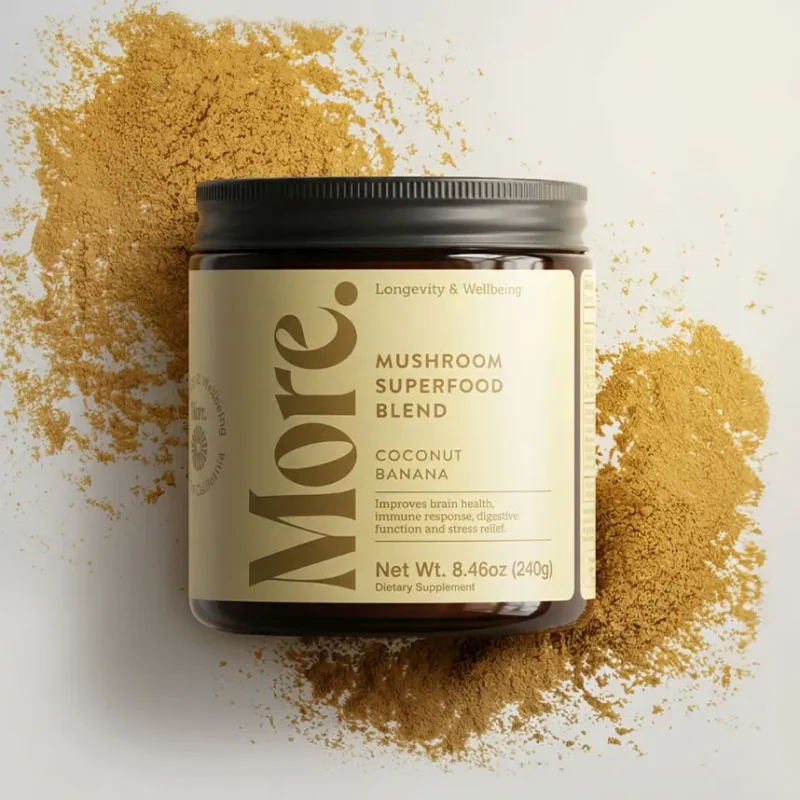
At More. Longevity & Wellbeing, we use fruiting body maitake mushroom (Grifola frondosa) extract in every one of our Mushroom Superfood Blends.

You can choose your ritual from three delicious flavors:
• Coconut Banana – A playful, caffeine-free option perfect for afternoons or evenings.
• Salted Caramel Vanilla – Indulgent and smooth, with adaptogens and a coffeehouse twist.
• Mocha – Classic and energizing, blending rich cocoa with functional support.

Each blend combines maitake with five other fruiting-body mushroom extracts, adaptogens, prebiotics, and methylated B vitamins for brain health, immune resilience, digestive balance, and stress relief.

👉 Discover our Mushroom Superfood Blends

Disclaimer

This content is for educational purposes only and is not intended to diagnose, treat, cure, or prevent any disease. Always consult with your healthcare provider before making changes to your diet or supplement routine.

About the Author

Rotem Wolfson is a Holistic Health Practitioner, Reflexologist, and Medical Aromatherapist specializing in integrative approaches that support stress resilience, hormonal balance, and overall wellbeing.

Why Adaptogen and Mushroom Blends Are the Future of Wellness

These powerful botanicals, long celebrated in ancient traditions, are now backed by modern science for their ability to help the body adapt to stress, promote balance, and enhance overall resilience. From supporting energy and focus to promoting relaxation and immune strength, adaptogens and functional mushrooms are redefining what true wellbeing looks like.

The Problem with Trend-Driven Products

As consumer interest in adaptogens and mushrooms grows, so does the flood of products designed to capitalize on the trend, often at the expense of quality.

Many brands offer blends that use raw powders instead of clinically effective extracts, cutting corners on potency and bioavailability. Others chase what is popular without carefully considering how different ingredients interact, resulting in fragmented formulas that do little to support long-term health.

The result is consumers left with options that may sound promising but ultimately underdeliver.

A New Standard for Wellness: More. Longevity & Wellbeing

At More. Longevity & Wellbeing, we believe true wellness is never a trend. It is a commitment. Our formulations are designed with purpose: synergistic, bioavailable blends that nourish the whole person, not just isolated symptoms.

Here is how More. is redefining the future of wellness:

  • Potent Extracts, Not Powders: We use clinically relevant extracts standardized for active compounds, ensuring superior absorption and measurable support without fillers or unnecessary ingredients.

  • Synergy at the Core: Every More. formula is crafted to ensure ingredients work together, not against each other. Adaptogens, functional mushrooms, essential vitamins, and minerals are thoughtfully combined for system-wide impact.

  • Clean, Trusted, Verified: Our products are third-party verified, highly rated by real customers, and now proudly recognized on Google Shopping with verified 5-star reviews. This milestone is a reflection of the real trust we have built.

  • No Trends. Only Substance: We do not chase what is popular. We follow what works, grounded in science and respect for the body’s natural wisdom.

Leading the Way into a New Era of Wellness

As wellness trends evolve, consumers are becoming more discerning and demanding more from the products they trust. At More., we are proud to be part of a growing movement that prioritizes efficacy, transparency, and whole-person health.

If you are ready to experience the future of supplements, blends that work in harmony with your body, crafted with integrity and intention, we invite you to explore the More. difference.

Experience wellness that is more than a trend. It is your future, thoughtfully supported.

👉 [Explore Our Best-Sellers →]

Disclaimer

The information in this article is for educational purposes only and is not intended to replace professional medical advice. Always consult your healthcare provider before starting any new supplements or wellness practices.

Single Nutrients vs. Synergy: What Your Body Really Needs

When Single Ingredients Have Their Place

If you’ve had a confirmed deficiency, such as low vitamin D on a blood test, a targeted, single-ingredient supplement can be an effective short-term solution. In these moments, a direct approach can help restore balance quickly, often under the guidance of a healthcare provider.

But this type of intervention is very different from supporting daily wellness and long-term vitality.

Why We Don’t Rely on One-Off Solutions

At More. Longevity & Wellbeing, we believe your body works best when nutrients work together.
Our blends are designed to support entire systems, like mood, energy, hormone balance, and immune function, using ingredients that enhance and amplify one another.

Here’s how that looks in practice with two key nutrients:

Zinc in Context

Zinc appears in our Mushroom Coffee and Superfood Blends to support cognition, metabolism, and immune resilience, never just to hit a number.
It is paired with methylated B vitamins and adaptogens, which help it function more efficiently and synergistically within the body.

Vitamin D the Smarter Way

In our Bone Support Blend, we use vitamin D3 alongside K2.
Together, they guide calcium to where it belongs, your bones, not soft tissues.
You’ll also find magnesium and boron, which play a vital role in vitamin D activation and overall bone density.

This thoughtful combination helps nourish your body beyond simply filling a gap.

What Single Nutrients Often Miss

While single-ingredient supplements can be helpful, they often lack the bigger picture:
Missing key nutrients that improve absorption and function
Risk of imbalance when taken in high doses over time, such as zinc depleting copper
A limited focus that does not address the root causes of imbalance in the body

One nutrient can play a role, but it rarely tells the whole story.

Our Approach: Nutrient Synergy

At More., we craft each formula to support multiple functions at once using ingredients that work in harmony.
We focus on systems, not isolated fixes, to help keep you energized, focused, calm, and well.

When your body gets what it needs in the right combination, everything works better.

Tips for Safer Supplement Choices
Look for transparent labels and avoid proprietary blends that conceal dosages.
Consult your healthcare provider before starting new supplements, especially when combining multiple products.
Ask brands questions about why ingredients were chosen and in what amounts. A reputable company should be able to explain their choices and show evidence.

Frequently Asked Questions

Q: Can supplements replace a balanced diet?
A: No. Supplements are designed to support your nutrition, not replace whole foods. A balanced diet provides a complex nutrient matrix that isolated supplements cannot fully replicate.


Q: Are all supplement blends effective?
A: Not always. The effectiveness of a blend depends on thoughtful formulation, proper dosing, and transparency. Always choose brands that disclose full ingredient amounts rather than hiding behind proprietary blends.


Q: When should I take a single-ingredient supplement?
A: When you have a confirmed deficiency, like low vitamin D or iron, under the guidance of a healthcare provider. This is typically a short-term solution to restore balance.


Q: Why is synergy so important in supplements?
A: Nutrients work best together. For example, vitamin D3 helps your body absorb calcium, but without K2, calcium may not be directed to the right places like bones. Synergy ensures better absorption, balance, and effectiveness.

The Takeaway

  • For a confirmed deficiency, a single-ingredient supplement may be useful as a short-term solution.

  • For ongoing vitality and long-term wellness, your body thrives on nutrient synergy, not isolation.

That is what More. was built for, real support that works with your biology, not against it.

Disclaimer

This content is for informational purposes only and is not intended to diagnose, treat, cure, or prevent any disease.
Always consult your healthcare provider before starting any supplement routine.

When the Map Changes: Understanding the Midlife Transition

Midlife: More Than a Crisis

The phrase “midlife crisis” has been around for decades, often used to describe impulsive decisions like buying a flashy sports car or making a dramatic career change.

In reality, what many of us experience in our 40s and 50s isn’t a crisis at all. It’s a transition, a natural period of reflection, renewal, and recalibration.

This stage of life often brings big questions:
Is this the life I want to keep building?
Why am I feeling restless or unfulfilled, even when I’ve achieved so much?
What do I truly need to feel healthy and whole, physically, mentally, and spiritually?

These questions are not signs of failure.
They are signs that something new is ready to emerge.

Why Midlife Can Feel So Intense

Midlife changes happen at the intersection of biology, lifestyle, and personal evolution. While some experiences are common, every person’s journey is unique.

1. Hormonal Shifts

For women, menopause often brings a significant shift in estrogen and progesterone.
For men, andropause involves a gradual, more subtle decline in testosterone over time.

These hormonal changes can affect mood, energy, metabolism, sleep, and even confidence.
Some people experience dramatic symptoms, while others notice only subtle shifts.

Recognizing that these changes happen on a spectrum helps reduce pressure and emphasizes the importance of individualized care.

2. Changing Roles and Responsibilities

By midlife, many people find themselves balancing competing demands:
Caring for aging parents while supporting children
Taking on greater responsibilities at work
Navigating relationship shifts, whether deepening a partnership, managing conflict, or moving through loss

This “sandwich generation” stage can create layered stress that impacts both emotional and physical well-being.

3. Awareness of Time

In our 20s and 30s, the future can feel limitless.
By midlife, there is a deeper awareness that time is finite, a realization that can be both motivating and unsettling.
This perspective often sparks a desire to live with more intention and authenticity.

Reframing the “Midlife Crisis”

The word “crisis” suggests a collapse. Midlife is better understood as transformation, a call to redefine your health, relationships, and priorities so you can create a life that reflects who you are today.

Here’s how to move through this transition with clarity and resilience.

1. Listen to Your Body

This is the ideal time to pay attention to your body’s signals:
Schedule regular checkups and lab work.
Notice patterns in sleep, digestion, energy, and mood.
Respond to small changes before they become larger concerns.

Supporting your core systems such as energy, mood, detox, and resilience helps you feel balanced and steady during this transition.

2. Upgrade Your Stress Care

Stress is part of life, but how you respond to it matters.
Go beyond general advice with strategies that retrain your nervous system:
Practice box breathing or 4-7-8 breathwork to calm your mind in the moment.
Explore movement practices like yoga, tai chi, or mindful stretching.
Build small, repeatable rituals. Even a five-minute reset can make a difference.

When your body feels safe and supported, stress becomes more manageable.

3. Redefine Success on Your Terms

Midlife often shifts our values.
Reflect on what matters to you now:
What brings me meaning and joy today?
What am I ready to release or change?
Where do I want to focus my energy moving forward?

This process brings clarity and opens the door to deeper fulfillment.

4. Nourish Yourself Inside and Out

As your body changes, so do its nutritional needs:
Choose nutrient-dense foods to support steady energy and mood balance.
Include fiber-rich vegetables and fermented foods to promote healthy digestion.
Consider supplements that work with your body, not against it.

Your Midlife, Your Map

Midlife isn’t about decline. It’s about alignment.
It’s the opportunity to pause, reflect, and create a life that feels authentic to who you are now.
What some call a “midlife crisis” can actually be the moment you step fully into who you are meant to be.

For those exploring ways to support both body and mind during life’s transitions, the team at More. Longevity & Wellbeing creates blends designed to complement your nutrition, movement, and self-care routines.

Our science-backed approach to comprehensive wellness is built to meet you wherever you are in your journey.

Disclaimer

This content is for educational purposes only and is not intended to diagnose, treat, cure, or prevent any disease.

Facing the Hard Truths About Supplements

The truth is, the supplement world can be confusing, expensive, and sometimes untrustworthy. These are hard truths, and instead of ignoring them, we built More. Longevity & Wellbeing to confront them head on.

Hard Truth #1: Misinformation Erodes Trust

We have all seen the scare tactics, exaggerated promises, and influencer-driven “miracle” claims. As a consumer, it left me skeptical.

Our approach:
Share the science in plain language.
Show every ingredient, every test, every reason why it is there.
Avoid the hype, focus on the facts.

Hard Truth #2: Supplements Can Feel Overpriced

I used to ask myself: Is this bottle really worth $60? Too often, it was not. I was paying for fancy marketing, not real quality. On the flip side, I also found supplements that were so cheap they often fell short of delivering real results.

Our approach:
Honest pricing that reflects what is inside.
Our blends average $50 but replace multiple single products. By combining adaptogens, mushrooms, methylated vitamins, and botanicals in the right forms and dosages, we deliver both value and simplicity.
Subscriptions that make daily wellness more practical, with no commitments and easy cancellation.
We share education and resources so you can make informed choices for your health.

Hard Truth #3: Transparency Is Rare

As a customer, I hated not knowing what I was actually taking. Proprietary blends, mystery “other ingredients,” vague promises, it did not sit right.

Our approach:
No proprietary blends.
No hidden fillers.
Third-party tested and openly shared results.

The More. Way: Value You Can See

We know supplements can feel like a leap of faith. That is why we never hide what is inside, never inflate prices, and never lean on hype. Our blends are crafted to deliver real value, because when you add up the cost of buying single ingredients on your own, you would spend far more without the benefit of synergy.

With More., you see exactly what you are paying for: tested ingredients, thoughtful combinations, and transparent education to guide your choices.

“Wellness should not be confusing or overcomplicated. We built More. to make it straightforward, trustworthy, and genuinely supportive, because we know what it feels like to be on the other side.”

Wellness should feel empowering, not overwhelming. With the right information and real support, everyone can take simple steps toward lasting health.
More. Team

Disclaimer

Educational content only. Not intended to diagnose, treat, cure, or prevent any disease.

Adaptogens and Functional Mushrooms: Benefits, Differences, and How They Work

Adaptogens and functional mushrooms are two of the most researched natural compounds used to support stress resilience, cognitive performance, immune balance, and overall vitality.

While they are often mentioned together, they are not the same. Adaptogens are primarily plant-based botanicals that help regulate the body’s stress response, while functional mushrooms contain bioactive compounds that influence immune signaling, brain health, and cellular resilience.

Understanding the difference between adaptogens and functional mushrooms — and how they work together — can help you make informed, evidence-based decisions about supplementation.

What Are Adaptogens?

Adaptogens are natural herbs and botanicals that help the body adapt to stress and restore balance. They primarily work through the hypothalamic-pituitary-adrenal (HPA) axis, the system that regulates cortisol and the body’s stress response.

To qualify as an adaptogen, a substance generally must:

  • Be non-toxic at normal doses

  • Help the body resist stressors

  • Support physiological balance (homeostasis)

Unlike stimulants, adaptogens do not force the body into activation. Instead, they help normalize stress responses, supporting a more balanced state.

Common Adaptogens

  • Ashwagandha

  • Rhodiola Rosea

  • Maca Root

  • Panax Ginseng

  • Holy Basil (Tulsi)

Research has explored adaptogens for:

  • Supporting balanced cortisol levels [1]

  • Improving resilience to fatigue [2]

  • Enhancing mental clarity and focus [3]

  • Supporting mood during stress

For example, randomized controlled trials have shown Ashwagandha extract to be associated with reduced perceived stress and improved well-being compared to placebo [1].

What Are Functional Mushrooms?

Functional mushrooms are medicinal fungi studied for their bioactive compounds, including:

  • Beta-glucans

  • Triterpenes

  • Polysaccharides

  • Erinacines and hericenones (in Lion’s Mane)

Unlike culinary mushrooms, functional varieties are used in concentrated extract form to support specific biological pathways.

Most Researched Functional Mushrooms

  • Lion’s Mane – studied for cognitive support and nerve growth factor (NGF) stimulation [4]

  • Reishi – associated with stress resilience and immune modulation [5]

  • Cordyceps – researched for cellular energy and oxygen utilization [6]

  • Chaga – antioxidant support

  • Turkey Tail – immune system balance

  • Maitake – metabolic and immune health

  • Shiitake – cardiovascular and immune support

Many benefits are attributed to beta-glucans, which help regulate immune activity rather than overstimulating it.

Extraction Methods Matter

Not all mushroom supplements are equal.

High-quality products often use dual extraction methods (water + alcohol) to isolate both water-soluble beta-glucans and alcohol-soluble triterpenes.

Fruiting body extracts are generally preferred over mycelium grown on grain because they contain higher concentrations of active compounds and fewer residual starch fillers.

Understanding extraction methods can significantly impact supplement effectiveness.

Adaptogens vs Functional Mushrooms: Key Differences

Adaptogens Functional Mushrooms
Plant-based herbs Fungi-based extracts
Act primarily through HPA axis Act through immune & cellular signaling
Influence cortisol balance Influence beta-glucan immune modulation
Examples: Ashwagandha, Rhodiola Examples: Lion’s Mane, Reishi

Although they operate differently, both aim to enhance resilience and maintain internal balance.

How Adaptogens and Functional Mushrooms Work in the Body

Adaptogens primarily support the HPA axis, helping regulate cortisol and stabilize stress responses.

Functional mushrooms influence multiple systems:

  • Lion’s Mane may stimulate nerve growth factor (NGF), supporting cognitive function.

  • Cordyceps may enhance mitochondrial energy production and oxygen efficiency [6].

  • Reishi contains triterpenes studied for immune and stress-related benefits [5].

  • Beta-glucans help regulate immune signaling pathways [7].

Because stress, immune function, metabolism, and cognition are interconnected, combining adaptogens and mushrooms may provide broader systemic support.
This is why many functional mushroom coffee blends combine multiple fruiting body extracts with adaptogenic support

What Does Research Say?

Research on adaptogens and functional mushrooms is ongoing.

Human and animal studies have explored:

  • Ashwagandha and cortisol reduction [1]

  • Lion’s Mane and cognitive function [4]

  • Cordyceps and exercise performance [6]

  • Beta-glucans and immune modulation [7]

While findings are promising, results vary depending on extract quality, dosage, and study design. More large-scale human trials are needed in several areas.

Potential Side Effects and Safety Considerations

As with any supplement, adaptogens and functional mushrooms are not suitable for everyone.

Possible considerations include:

  • Mild digestive discomfort

  • Interactions with blood pressure or blood sugar medications

  • Potential immune stimulation in autoimmune conditions

  • Not recommended during pregnancy or breastfeeding without medical supervision

Individuals taking medications or managing chronic health conditions should consult a qualified healthcare professional before starting new supplements.

Dietary supplements are not regulated as strictly as prescription medications, making third-party testing and transparent labeling especially important.

Why Synergy Matters

Fatigue and stress rarely stem from one isolated cause.

They may involve:

  • Elevated stress hormones

  • Poor sleep quality

  • Gut-brain imbalance

  • Nutrient depletion

  • Inflammatory signaling

Well-formulated combinations of botanicals, mushrooms, and nutrients may address multiple pathways simultaneously, supporting more comprehensive resilience.

How to Choose a Quality Supplement

Red Flags

  • Proprietary blends without dosage transparency

  • Mycelium grown on grain without beta-glucan standardization

  • Artificial fillers or synthetic dyes

  • No third-party testing

Green Flags

  • Transparent ingredient labeling

  • Standardized extracts

  • Fruiting body mushroom extracts

  • GMP-certified manufacturing

  • Independent laboratory testing

Independent testing helps confirm that products are free from contaminants such as heavy metals, pesticides, mold, or harmful microbes.

Frequently Asked Questions

What is the difference between adaptogens and functional mushrooms?

Adaptogens regulate stress response systems like the HPA axis, while functional mushrooms influence immune and neurological pathways through bioactive compounds.

Can you take adaptogens and mushrooms together?

Yes. Many formulas combine both to support stress resilience, cognitive performance, and immune balance.

How long do adaptogens take to work?

Some individuals notice changes within days, though research suggests consistent use over several weeks is often needed.

Are functional mushrooms safe for daily use?

When properly sourced and used as directed, functional mushroom extracts are generally considered safe for healthy adults.

Do adaptogens reduce cortisol?

Certain adaptogens, such as Ashwagandha, have been studied for supporting balanced cortisol levels during stress [1].

Conclusion: Adaptation, Resilience, and Informed Wellness

Adaptogens and functional mushrooms reflect a systems-based approach to health — one that recognizes the interconnected nature of stress, immunity, energy, and cognition.

By understanding how they differ, how they work, and how to evaluate quality, you can make informed decisions rooted in research rather than trends.

References

[1] A Prospective, Randomized Double-Blind, Placebo-Controlled Study of Ashwagandha Root Extract in Reducing Stress and Anxiety
Chandrasekhar K, et al. Indian Journal of Psychological Medicine, 2012.


[2] Rhodiola rosea in Stress-Induced Fatigue: A Double-Blind Cross-Over Study
Darbinyan V, et al. Phytomedicine, 2000.


[3] Effects of Adaptogens on the Central Nervous System and the Molecular Mechanisms Associated with Their Stress-Protective Activity
Panossian A, Wikman G. Pharmaceuticals, 2010.

[4] Improving Effects of Hericium erinaceus on Mild Cognitive Impairment: A Double-Blind Placebo-Controlled Clinical Trial
Mori K, et al. Phytotherapy Research, 2009.


[5] Ganoderma lucidum (Reishi Mushroom): A Review of Its Potential Therapeutic Effects
Wachtel-Galor S, et al. American Journal of Chinese Medicine, 2011.


[6] Cordyceps militaris Improves Tolerance to High-Intensity Exercise After Acute and Chronic Supplementation
Hirsch KR, et al. Journal of Dietary Supplements, 2016.


[7] β-Glucans as Immunomodulators
Vetvicka V, et al. Journal of the American Nutraceutical Association, 2013.

The Connection Between Internal and External Conflict

When our physical needs, emotional truths, and deeply held values clash, it creates inner turbulence that touches every area of life.

Some common root causes include:
Ignoring or suppressing physical or emotional needs
Moving forward while quietly fearing change
Holding on to unresolved feelings such as grief, anger, or guilt

Left unaddressed, these internal struggles can manifest as stress, anxiety, low energy, and a sense of disconnection not only from yourself, but from others too.

External Conflict as a Mirror

The conflicts you experience outside of yourself often reflect what is happening inside.
A difficult coworker may highlight a need for clearer boundaries
A recurring argument could signal unspoken needs or unmet values
Widespread societal tension may mirror collective stress and fear

When you begin to see conflict as feedback, not just a threat, you gain the power to pause and reflect. This shift in perspective is the first step toward deep growth and healing.

Somatic Signs of Stress

Your body often notices stress before your mind does.
Physical symptoms are signals like warning lights that point to areas of unprocessed tension.

Common signs include:
Headaches or jaw clenching connected to stored anger or worry
Digestive issues linked to chronic stress and gut imbalance
Disrupted sleep and fatigue that drain your energy reserves
Mood swings and difficulty focusing that affect productivity and joy

By listening to these signals early, you can take steps to restore balance before stress grows into bigger challenges.

Research note: Chronic stress activates the HPA axis, releasing cortisol and inflammatory compounds that impact digestion, sleep, and even bone density over time.

Boundaries for Workplace Tension

The workplace can amplify stress, especially if boundaries are unclear or constantly crossed.

Healthy boundaries create space for respect, productivity, and mutual understanding.

Examples of clear boundaries:
Saying no to unrealistic demands
Communicating needs calmly and directly
Protecting time for rest, family, and personal wellness

Boundaries are not walls. They are bridges to healthier, more sustainable relationships at work and beyond.

Integrative Wellness for Resilience

True resilience comes from supporting your whole system: body, mind, and environment.

The More. approach to wellness includes:
Rest and movement that replenish energy and reduce tension
Nourishing foods rich in minerals, antioxidants, and gut-supportive fibers
Mindfulness and emotional care through meditation or therapy
Systems-based supplements, like More.’s formulations, designed to:
Balance stress with adaptogens like ashwagandha and reishi
Support mood and focus through magnesium glycinate and GABA
Enhance long-term vitality with synergistic blends of nutrients and botanicals

When these pieces work together, you build a strong foundation for navigating challenges with clarity and strength.

Final Reflection

Healing internal conflict is more than personal work, it is collective work.

When you bring harmony to your inner world, it ripples outward:
Relationships soften and grow
Work environments feel lighter and more collaborative
Even the broader world reflects more peace and balance

At More. Longevity & Wellbeing, we believe true wellness starts within.
Our mission is to support you as you align your inner and outer worlds so you can show up fully for the life you deserve.
Because when you find harmony inside, everything changes.

Disclaimer

This content is for informational purposes only and is not intended to diagnose, treat, cure, or prevent any disease. Always consult with a qualified healthcare provider before making changes to your diet, supplements, or wellness routine.

Healthspan vs. Lifespan: Why Small Choices Matter

What Is Healthspan vs. Lifespan?

Living longer isn’t enough. Healthspan—the years spent feeling energetic, independent, and strong—is what truly matters.

In the United States, the average person now spends 12.4 years living with disease or disability at the end of life, the highest of any country in the world.
Globally, the gap between healthspan and lifespan has widened from 8.5 years in 2000 to 9.6 years in 2019 (WHO).
Women face an even greater challenge, spending 2.4 more years in poor health than men globally—and nearly 13.7 years with disability in the U.S.

Key Difference:
Lifespan: Years added to your life
Healthspan: Years lived in good health

Imagine reaching 70 with clarity, mobility, and purpose. That vision starts with the choices you make today.

Why Waiting Is Risky: The Compound Effect of Daily Choices

It’s tempting to wait—to put off saving, skip self-care, or push healthy habits to “next month.” But “later” often adds up to years lost to fatigue, sickness, and worry.
• Consistency beats intensity: A daily walk impacts longevity more than occasional workouts.
• Small steps add up: Upgrading one meal, or saving $10 a week, creates true, lasting change.

Research shows that small, positive actions multiply over time into lasting well-being.

The MoreWellbeing Mindset: From Surviving to Thriving

At MoreWellbeing, we believe thriving starts with mindset, clarity, commitment, and compassion for the process.

Here’s how to shift from surviving to thriving:
• Decide What Matters – Jot down your deepest values, dreams, and health goals.
• Health Is the Foundation – Wellness isn’t a luxury. It’s a daily practice.
• Plan With Purpose – Small, automated savings and self-investments create momentum.
• Invest in Healthspan – Ask yourself: “How do I want to feel in 10, 20, 30 years?”

Every choice today is a vote for that future self.

Stories of Real Change

Thousands in our community have gone from burning out to living with vitality:
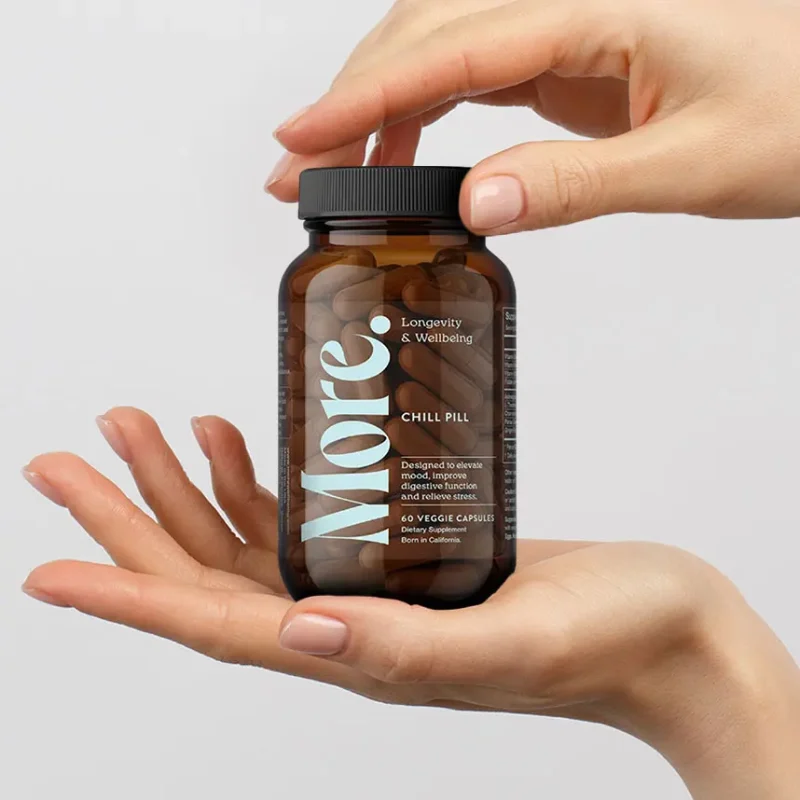
“I almost don’t have panic attacks anymore. Chill Pill helps me finally live my best life!”
“This mocha mushroom blend makes every morning feel energized. I can feel the difference.”

Discover more customer favorites on our product page.

Contentment Now, Wellness for Life

Wellness is built on consistency and self-compassion, not perfection.
Practice gratitude for each step
Celebrate small victories
Choose mindfulness

Your health is not a destination, but a way of life.

Your Tomorrow Starts Today

No one controls every circumstance, but everyone can choose actions that shape their health, happiness, and longevity.
By focusing on healthspan, financial wellness, and a thriving mindset, you create a ripple effect that lasts for years.

Takeaway: The MoreWellbeing Promise

Your future isn’t defined by a paycheck, but by the consistent, quality choices you make every day.

Choosing whole foods, moving your body, trusting supplements crafted with transparency, and building mindful routines form the foundation of a purposeful, healthy life.

Start today. Your future self will thank you.

MoreWellbeing walks this path beside you, prioritizing transparency and real well-being so you can thrive for decades to come.

Disclaimer

This content is for informational and educational purposes only and is not intended as medical advice.
These statements have not been evaluated by the Food and Drug Administration.
Our products are not intended to diagnose, treat, cure, or prevent any disease.

Always consult with a qualified healthcare provider before making changes to your diet, lifestyle, or supplement routine, especially if you are pregnant, nursing, taking medication, or have a medical condition.

Your Cart
Add $50 more to your cart to unlock Free U.S. Shipping!
$100
Wellness Essentials Our Customers Love
  • Chill Pill
    Ashwagandha, Panax ginseng & L-theanine for stress relief
    $45.99
    +Add