Why Supplements Still Feel Stuck in the 1950s
Walk down the wellness aisle of almost any major retailer today, and you are met with an overwhelming wall of isolation



The logic seems straightforward. If one formula contains 500 mg of an ingredient and another contains 100 mg, the larger number must be better. If one product contains 20 ingredients and another contains 10, the longer label must be more powerful.
But human biology is not a math contest.
Some of the most important decisions in supplement formulation are largely invisible to the untrained eye. The form of the ingredient. The supporting nutrients. The balance of the formula. The intended use. The body’s ability to absorb, utilize, and tolerate what it receives.
A supplement label can tell you what is inside a product. It cannot always tell you how thoughtfully the formula was designed.
Consumers want to make informed choices.
However, because most people are not trained in nutrition, biochemistry, or formulation science, large numbers often become a shortcut for evaluating quality.
If Brand A contains 500 mg of an ingredient and Brand B contains 100 mg, it is easy to assume Brand A is superior.
Sometimes that may be true.
Many times, the answer is more complicated.
Without understanding the ingredient form, supporting nutrients, intended purpose, and overall formula design, the number alone tells only part of the story.
This is not an argument against higher doses.
Some nutrients, botanicals, and compounds have research supporting specific dosage ranges. The point is that dosage should be evaluated within context.
A meaningful dose is one that serves a clear purpose within a well-designed formula, not simply one that creates the biggest number on the label.
More is not automatically better.
Less is not automatically better.
Context matters.
Many of the factors that influence how a supplement performs are not obvious from the front of the bottle.
Different forms of the same nutrient can behave differently in the body.
Magnesium is a common example.
Magnesium glycinate, magnesium citrate, magnesium malate, and magnesium oxide all provide magnesium, but they differ in absorption characteristics, tolerability, and intended use.
Looking only at the total milligrams does not reveal those differences.
Nutrients rarely work alone.
Many biological processes depend on vitamins, minerals, enzymes, and other supporting compounds.
For example, amino acids such as L-tyrosine participate in pathways involved in the production of dopamine and norepinephrine. Certain B vitamins, including vitamin B6, folate, and vitamin B12, serve as important co-factors in many of the biochemical processes that support neurotransmitter synthesis and metabolism.
This illustrates why experienced formulators often think not only about individual ingredients, but also about the nutrients that help support their function.
An ingredient may appear impressive on a label, but without adequate nutritional support, its role within the body may be limited.
Some products are designed around a single hero ingredient.
Others are designed around how multiple ingredients work together.
A systems-based approach seeks to support multiple interconnected processes simultaneously rather than relying on one ingredient alone.
This does not necessarily mean lower doses are always better.
It means that formulation decisions are made within the context of the entire formula and its intended purpose.
Some ingredients may feel useful in the short term but may not be ideal for everyone at higher doses over time.
This is especially important with botanicals, adaptogens, stimulants, and ingredients that influence energy, stress response, mood, or sleep.
A formula that feels powerful on day one is not always the formula that feels balanced after weeks or months of daily use.
For some people, higher amounts of certain ingredients may contribute to overstimulation, digestive discomfort, sleep disruption, or a feeling of being pushed rather than supported.
That is why thoughtful formulation considers not only what an ingredient can do, but how the full formula may feel when used consistently.
The goal is not to overwhelm the body.
The goal is to support it in a way that feels steady, sustainable, and usable over time.
Marketing rewards simplicity.
It is easy to understand and easy to communicate.
Formulation is more nuanced.
Experienced formulators must consider ingredient interactions, nutrient forms, tolerability, dosage balance, and whether the formula supports the intended outcome.
A great supplement is rarely the result of one impressive ingredient.
More often, it is the result of many thoughtful decisions working together.
The next time you evaluate a supplement, look beyond the biggest number on the label and ask:
The answers to these questions may tell you far more than a milligram amount alone.
Quality is rarely determined by quantity alone.
The form matters. The balance matters. The supporting nutrients matter. The intended use matters. The long-term experience matters.
Wellness is not simply about putting more ingredients into a bottle. It is about understanding how those ingredients work together within the context of human biology.
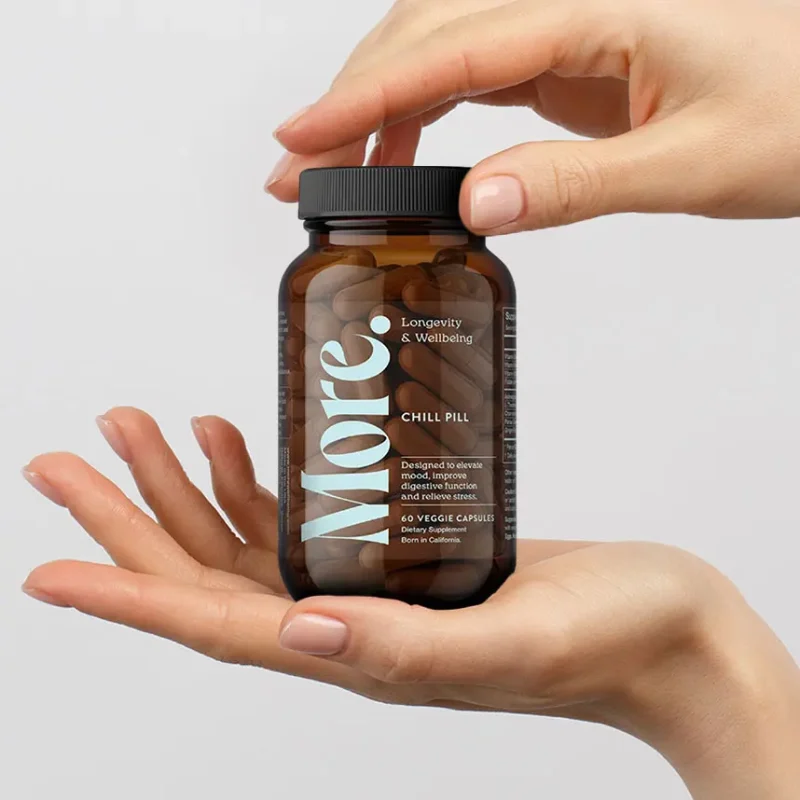
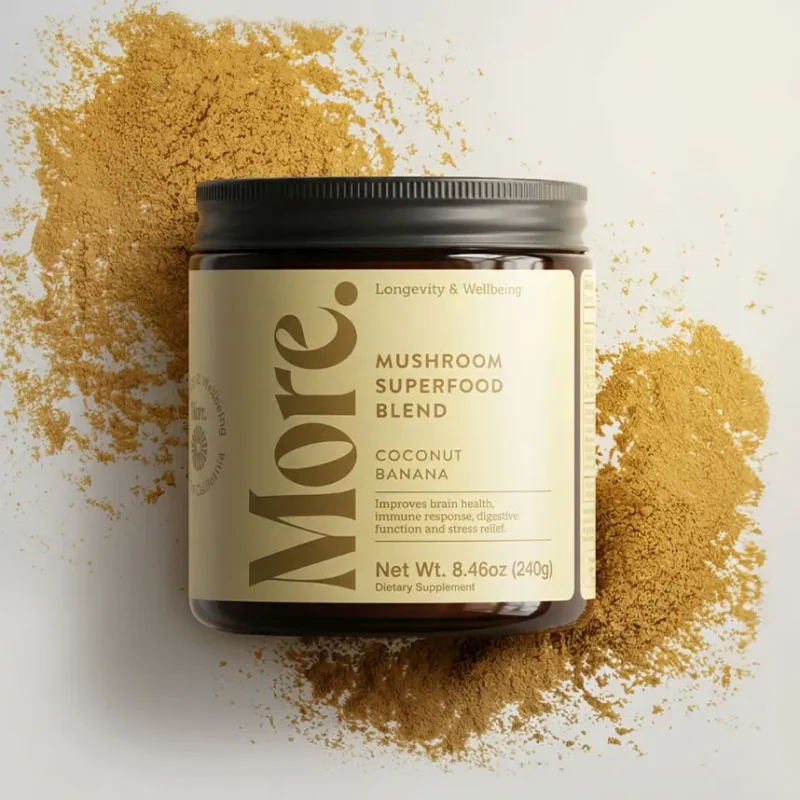
At More. Longevity & Wellbeing, we believe formulation should be guided by purpose, balance, and biological context, not simply by the pursuit of bigger numbers.
The most important thing on a supplement label may not be the biggest number.
It may be the thinking behind the formula.
Choose you. Choose More.
For educational purposes only. This information is not intended to diagnose, treat, cure, or prevent any disease. It is not medical advice.





©2026 More longevity & Wellbeing

Merchandise manufactured in a facility that
complies with good manufacturing practices

Merchandise manufactured in a facility that
complies with good manufacturing practices