Why Supplements Still Feel Stuck in the 1950s
Walk down the wellness aisle of almost any major retailer today, and you are met with an overwhelming wall of isolation



From social media to major health publications, it’s frequently discussed in connection with stress, sleep, muscle function, and relaxation.
The attention isn’t accidental.
Scientists have spent decades studying magnesium because it participates in hundreds of biological processes throughout the body, many of which become especially important during periods of stress.
So why has magnesium become such an important part of the stress conversation?
The answer begins with understanding what happens inside the body when we experience stress.
Stress is often described as an emotional experience, but it begins as a biological response.
When your brain perceives a challenge, it activates a coordinated network involving the nervous system, hormones, metabolism, and multiple organs. Heart rate increases, energy demands rise, muscles prepare for action, and hormones such as cortisol help the body adapt to changing demands.
This response is essential.
It allows us to react, adapt, and respond to life’s challenges.
The difficulty arises when stress becomes frequent or prolonged.
Over time, chronic stress can influence:
It can also change the body’s nutritional demands, which is one reason magnesium has attracted so much scientific attention.
Magnesium is an essential mineral involved in more than 300 enzymatic reactions throughout the body. It contributes to normal muscle function, normal nervous system function, psychological function, energy metabolism, protein synthesis, and electrolyte balance.
Its widespread role in human physiology is exactly what makes it so relevant to the study of stress.
A 2020 review published in Nutrients described the relationship between stress and magnesium as a potential “vicious circle.” The authors summarized evidence suggesting that prolonged stress may increase urinary magnesium losses, while inadequate magnesium status may reduce the body’s ability to respond efficiently to ongoing physiological demands. Although researchers continue to investigate the underlying mechanisms, the review highlights a bidirectional relationship between stress and magnesium that remains an active area of research.
This does not mean magnesium is a cure for stress.
Instead, it highlights that magnesium is one important component of the body’s broader stress response.
Perhaps the most valuable lesson magnesium teaches us isn’t about magnesium itself.
It’s about how the human body works.
Modern nutrition science increasingly recognizes that health isn’t driven by isolated nutrients acting independently. Nutrients, hormones, organs, and cellular signaling pathways continuously interact to maintain balance and help the body adapt to everyday challenges.
Magnesium is a powerful example of this principle.
Its importance doesn’t come from one specific function.
It comes from the many biological processes it helps support every single day.
Magnesium didn’t become interesting because social media discovered it.
It became interesting because it reminds scientists of something biology has always known.
The human body functions as an interconnected system.
The more researchers learn about stress, the clearer this picture becomes.
Resilience isn’t built by one mineral.
It’s supported by countless biological processes working together every moment of every day.
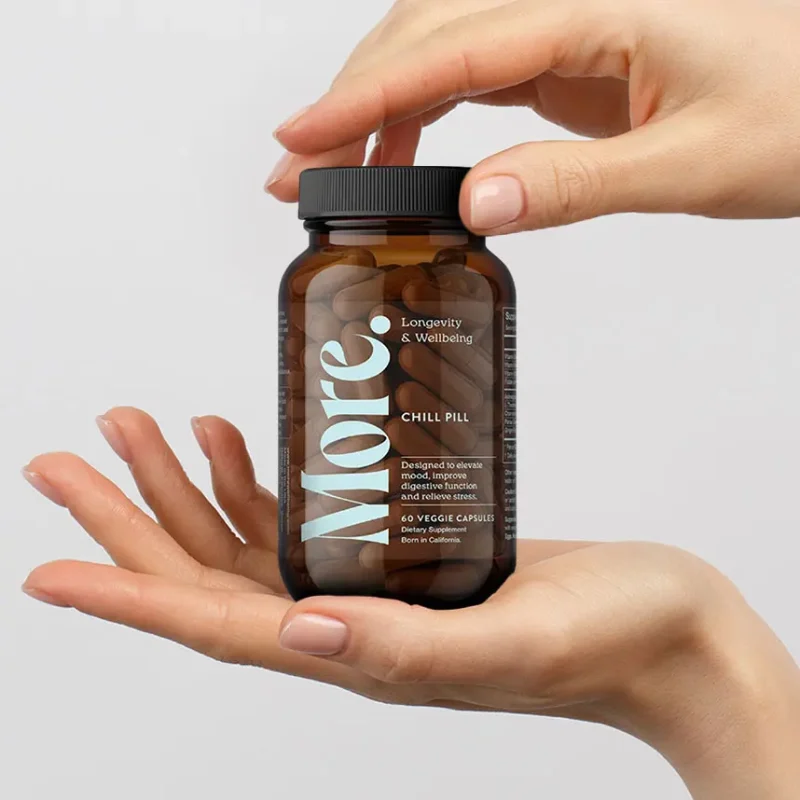
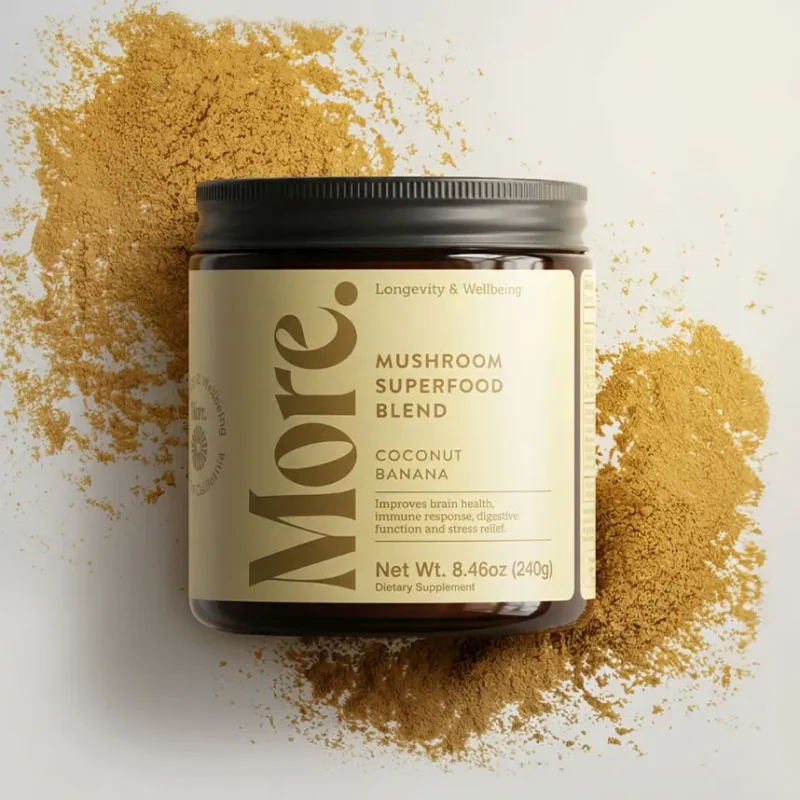
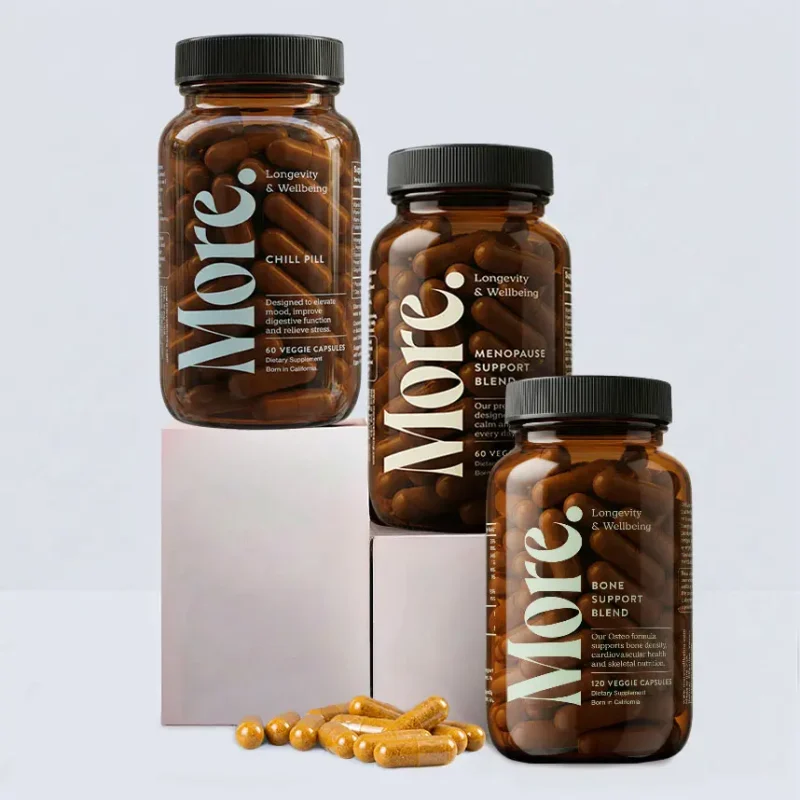
At More., this understanding guides how we think about formulation.
Rather than focusing on a single “hero ingredient,” we believe the body’s interconnected systems deserve an equally thoughtful approach. Our formulations combine carefully selected nutrients, botanical extracts, and complementary ingredients chosen to support multiple aspects of normal physiology.
Our goal isn’t to chase ingredient trends.
It’s to respect the remarkable complexity of the human body.
Because understanding one nutrient isn’t just about understanding that nutrient.
It’s about appreciating the extraordinary biological system it helps support.
If you enjoyed this article, you may also like:
Choose You. Choose More.




©2026 More longevity & Wellbeing

Merchandise manufactured in a facility that
complies with good manufacturing practices
Merchandise manufactured in a facility that
complies with good manufacturing practices