The Renaissance of Men’s Health: A Holistic Evolution

Mental Health: A New Kind of Strength

Men are redefining strength by embracing vulnerability and mental health awareness. The stigma surrounding issues like anxiety, stress, and burnout is fading, as mindfulness and meditation take center stage. Acknowledging these challenges is now considered a key part of the journey toward mental fitness, reflecting a more sophisticated and compassionate view of what it means to be strong.

Nourishment Redefined

Nutrition for men has also evolved, shifting from the traditional focus on protein for muscle gain to a more holistic approach. Antioxidant-rich foods, such as leafy greens and berries, now share the spotlight with plant-based options. This shift helps men focus on longevity and overall wellness, promoting balance in their diets rather than merely aiming for physical performance.

The Power of Rest

Sleep, once considered a secondary concern, is now recognized as a critical component of men’s health. It plays a vital role in restoring not only the body but also the mind and spirit. Men are discovering that simple evening rituals, alongside natural sleep aids, can drastically improve the quality of their rest—unlocking better performance, mood regulation, and emotional balance.

Fitness with Intention

Fitness is no longer about pushing the body to its absolute limits. Instead, modern men are finding balance between strength training and mindfulness. Whether through yoga, functional movement, or high-intensity training, the focus is on personalized routines that foster both physical and mental well-being. This intentional approach to fitness encourages sustainable health practices rather than extreme exertion.

The New Masculinity

A new definition of masculinity is emerging, one that values emotional intelligence, self-awareness, and holistic health as markers of true strength. Men are now embracing a life of balance, empowerment, and intentional living. This evolution reflects a shift toward a more enlightened and graceful expression of what it means to be a modern man.

Conclusion

The renaissance of men’s health represents a shift from traditional ideals toward a more holistic, balanced approach. By integrating mental health, mindful fitness, proper nutrition, and quality rest, men are leading a new era in wellness—one that values the mind, body, and spirit equally. This holistic evolution is redefining masculinity, empowering men to live healthier, more fulfilling lives.

Gut Feeling: Debunking the Myths About Gut Health and Mood

Gut Health: More Than Just Digestion

It’s easy to think of the gut simply as part of your digestive system, but its role goes far beyond processing food. The gut houses trillions of microorganisms, forming what’s known as the gut microbiome—a complex ecosystem that communicates directly with the brain through the vagus nerve. This connection means that issues in your gut can show up not just as physical symptoms like bloating or digestive discomfort but also as mental health challenges like anxiety, depression, and even neurological conditions.

Myth #1: Probiotics Are a Magic Bullet

Probiotics, often found in fermented foods and supplements, are widely known for supporting gut health. While they can be beneficial, the idea that they are a one-size-fits-all solution is a misconception. Your gut microbiome is as unique as your fingerprint, and the best probiotic for you may differ from someone else’s. It’s crucial to take a personalized approach. Before adding any probiotic to your routine, consult with a healthcare professional to determine which strain might work best for your specific needs.

Myth #2: Diet Is the Only Factor

While diet is a key component of gut health, it’s not the only one. Stress, medications, and overall lifestyle habits can all have a significant impact on your gut microbiome. For instance, chronic stress can disturb the delicate balance of bacteria in your gut, leading to digestive issues and even affecting your mood. It’s important to consider the bigger picture when thinking about how to support your gut health.

How to Promote Gut Health for a Balanced Mood

Taking care of your gut can do wonders for both your digestive system and your mental health. Here are some practical steps you can take to nurture your gut microbiome and foster a better mood:

  1. Embrace a Diverse Diet
    A varied diet rich in fruits, vegetables, whole grains, and lean proteins supports a healthy gut microbiome. Different foods provide different types of nutrients and fibers that nourish a wide range of beneficial bacteria.
  2. Include Fermented Foods
    Foods like yogurt, kefir, kimchi, and sauerkraut are rich in probiotics, which can boost the population of beneficial bacteria in your gut.
  3. Limit Processed Foods
    Processed foods are often low in fiber and nutrients, which can lead to an unhealthy gut. Reducing your intake of these foods allows beneficial bacteria to thrive.
  4. Manage Stress
    Chronic stress can disrupt gut health and negatively impact mood. Practices such as meditation, yoga, deep breathing exercises, and regular physical activity can help you manage stress and improve gut health.
  5. Consider Probiotics (With Caution)
    If you’re dealing with gut health issues, consider consulting a healthcare professional about probiotics. They can help determine which strain is most appropriate for your specific gut microbiome.

Conclusion

The link between gut health and mood is an exciting and rapidly growing field of study. By understanding and debunking common myths, such as the over-reliance on probiotics or focusing solely on diet, you can take proactive steps to improve both your gut health and emotional well-being. Small changes in your diet, lifestyle, and stress management can make a big difference in how you feel, both physically and mentally.

Take charge of your health by nurturing your gut—it might just be the key to a better mood!

Mindfulness Made Easy: Simple Practices for Everyday Life

Mindfulness isn’t about complicated rituals or long meditation sessions (though it can be if that’s your style). It’s about being aware of what’s happening right now, without judgment. By incorporating a few mindful practices into your daily routine, you can experience noticeable improvements in both mental and physical well-being.

1. Setting the Tone with a Mindful Morning

Mornings often dictate the rest of our day. Instead of rushing straight into emails or the chaos of daily life, try setting aside 5-10 minutes to start your morning with intention. Whether it’s deep breathing, stretching, or simply sitting quietly with a cup of tea, this small shift can help you feel more centered and prepared for whatever the day brings.

2. Transforming the Way You Eat with Mindfulness

We live in an age of multitasking, where eating often becomes an afterthought—something we do while watching TV, scrolling through our phones, or working. Mindful eating is about giving your full attention to your meal, noticing the flavors, textures, and even how it makes you feel.

By eating mindfully, you’re not only likely to enjoy your food more but also make healthier choices and improve digestion.

3. Bringing Mindfulness into Your Workday

It’s easy to let stress build up during a busy workday. But mindfulness can help alleviate that tension. Something as simple as pausing for a minute, taking a deep breath, and refocusing your thoughts can make a world of difference.

Mindfulness doesn’t require special settings or tools—it can be practiced right at your desk, during a meeting, or while walking between tasks. Over time, this can lead to better focus, improved performance, and a greater sense of calm in the workplace.

4. Unplugging for Mental Rejuvenation

In our hyperconnected world, it’s tempting to stay glued to our devices, but this can contribute to mental fatigue. Taking regular breaks from technology can refresh your mind and provide space for mindfulness. Whether it’s a phone-free lunch or a short digital detox before bed, creating intentional tech breaks helps clear mental clutter and brings more awareness to the present moment.

5. Meditation: A Powerful Stress Reliever

Mindful meditation is one of the most effective ways to practice mindfulness. You don’t need to sit for hours on end—just 5-10 minutes of focused breathing can help reduce stress, improve emotional resilience, and boost overall well-being.

The key is consistency; practicing regularly helps you develop a deeper sense of awareness and a more compassionate relationship with your own thoughts.

Why Mindfulness is Worth Exploring

Mindfulness isn’t about striving for perfection or trying to empty your mind. Instead, it’s about noticing what’s happening right now—both within and around you—and accepting it without judgment. Studies have shown that mindfulness can reduce anxiety, enhance focus, and lead to greater emotional well-being.

It’s an incredibly versatile tool that can be woven into various aspects of daily life, making it accessible to everyone.

Final Thoughts

Incorporating mindfulness into your life doesn’t require a dramatic overhaul. Simple practices like mindful breathing, eating, or taking short pauses throughout the day can have a significant impact. By consistently bringing your attention back to the present moment, you may find that you experience more peace, focus, and balance in your daily routine.

5 Easy Global Recipes to Try at Home

1. Moroccan Spiced Vegetable Tagine

Transport yourself to the bustling markets of Morocco with this aromatic vegetable tagine. Rich in spices like cumin, coriander, cinnamon, and turmeric, this dish will warm your soul.

Ingredients:

  • 2 tbsp olive oil
  • 1 onion, diced
  • 3 garlic cloves, minced
  • 1 tsp ground cumin
  • 1 tsp ground coriander
  • 1 tsp ground cinnamon
  • 1 tsp ground ginger
  • 1/2 tsp turmeric
  • 2 carrots, peeled and chopped
  • 1 zucchini, chopped
  • 1 sweet potato, peeled and chopped
  • 1 can (15 oz) chickpeas, drained and rinsed
  • 1 can (14 oz) diced tomatoes
  • 2 cups vegetable broth
  • Salt and pepper to taste
  • Fresh cilantro, chopped (for garnish)
  • Cooked couscous (to serve)

Instructions:

1. Heat olive oil in a large pot over medium heat. Add onions and  garlic, and sauté until soft.

2. Stir in cumin, coriander, cinnamon, ginger, and turmeric, and cook for 1 minute.

3. Add carrots, zucchini, sweet potato, chickpeas, and tomatoes, stirring to coat the vegetables in spices.

4. Pour in the vegetable broth, bring to a boil, then reduce heat and simmer for 30-40 minutes until vegetables are tender.

5. Season with salt and pepper, garnish with cilantro, and serve with couscous.

pikaso texttoimage Moroccan Spiced Vegetable TagineA vibrant Moroccan

2. Japanese Soba Noodle Salad with Sesame Dressing

This refreshing soba noodle salad is perfect for a light meal or a side dish. The sesame dressing brings a nutty flavor, while julienned veggies add a crunchy texture.

Ingredients:

  • 8 oz soba noodles
  • 1 cucumber, julienned
  • 2 carrots, julienned
  • 1 cup radishes, thinly sliced
  • 2 tbsp sesame seeds, toasted
  • 1 soft-boiled egg (optional)

Sesame Dressing:

  • 2 tbsp sesame oil
  • 2 tbsp soy sauce
  • 1 tbsp rice vinegar
  • 1 tbsp honey or maple syrup
  • 1 tsp grated ginger
  • 1 tsp sesame seeds

Instructions:

1. Cook soba noodles according to package instructions. Drain and rinse under cold water to cool.

2. Whisk together sesame oil, soy sauce, rice vinegar, honey, ginger, and sesame seeds in a small bowl.

3. Toss the cooled soba noodles with cucumber, carrots, radishes, and sesame dressing.

4. Top with toasted sesame seeds and a soft-boiled egg (optional). Serve chilled.

pikaso texttoimage Japanese Soba Noodle Salad with Sesame DressingA r

3. Italian Farro Risotto with Mushrooms

Craving some Italian comfort food? Try this hearty farro risotto, featuring earthy mushrooms and creamy Parmesan cheese. Farro adds a unique nutty texture to this classic dish.

Ingredients:

  • 1 cup farro
  • 2 tbsp olive oil
  • 1 onion, finely chopped
  • 3 garlic cloves, minced
  • 8 oz mushrooms, sliced
  • 1/2 cup dry white wine
  • 4 cups vegetable broth
  • 1/4 cup grated Parmesan
  • Fresh parsley, chopped (for garnish)
  • Salt and pepper to taste

Instructions:

1. Rinse the farro under cold water and set aside.

2. Heat olive oil in a large pan over medium heat. Sauté onions and garlic until softened.

3. Add mushrooms and cook until golden brown.

4. Stir in farro and toast for 1-2 minutes.Pour in white wine and simmer until absorbed.

5. Gradually add vegetable broth, stirring frequently. Continue until farro is tender, about 25-30 minutes.

6. Stir in Parmesan, season with salt and pepper, and garnish with parsley. Serve immediately.

pikaso texttoimage Italian Farro Risotto with MushroomsA creamy Itali

4. Indian Coconut Curry with Lentils and Spinach

For a cozy, hearty meal, this Indian coconut curry hits the spot. It’s full of vibrant flavors from curry powder, turmeric, and fresh ginger, paired with creamy coconut milk and protein-packed lentils.

Ingredients:

  • 1 tbsp coconut oil
  • 1 onion, diced
  • 3 garlic cloves, minced
  • 1 tbsp grated ginger
  • 1 tbsp curry powder
  • 1 tsp turmeric
  • 1/2 tsp cumin
  • 1 can (14 oz) coconut milk
  • 1 cup red lentils, rinsed
  • 2 cups vegetable broth
  • 2 cups fresh spinach
  • Salt and pepper to taste
  • Fresh cilantro (for garnish)
  • Cooked basmati rice or naan (to serve)

Instructions:

1. Heat coconut oil in a large pot over medium heat. Sauté onion, garlic, and ginger until soft.

2. Stir in curry powder, turmeric, and cumin, cooking for 1 minute.

3. Add coconut milk, lentils, and vegetable broth. Bring to a boil, then simmer for 20-25 minutes until lentils are tender.

4. Stir in spinach and cook for 2-3 minutes until wilted.

5. Season with salt and pepper, garnish with cilantro, and serve with basmati rice or naan.

pikaso texttoimage Indian Coconut Curry with Lentils and SpinachA ri

5. Mexican Quinoa Stuffed Peppers

These vibrant quinoa-stuffed bell peppers are bursting with Mexican flavors. The combination of quinoa, black beans, corn, and spices creates a wholesome and satisfying dish, perfect for a weeknight dinner.

Ingredients:

  • 4 bell peppers, tops cut off and seeds removed
  • 1 cup quinoa, rinsed
  • 1 can (15 oz) black beans, drained and rinsed
  • 1/2 cup corn kernels
  • 1/2 cup diced tomatoes
  • 1 tsp chili powder
  • 1 tsp cumin
  • Juice of 1 lime
  • Salt and pepper to taste
  • Fresh cilantro (for garnish)
  • Guacamole (for serving)

Instructions:

1. Preheat oven to 375°F (190°C). Cook quinoa according to package instructions and set aside.

2. In a large bowl, mix quinoa, black beans, corn, tomatoes, chili powder, cumin, lime juice, salt, and pepper.

3. Stuff each bell pepper with the quinoa mixture and place them upright in a baking dish.

4. Cover with foil and bake for 30-35 minutes until peppers are tender.

5. Garnish with cilantro and serve with a dollop of guacamole.

pikaso texttoimage Mexican Quinoa Stuffed PeppersBright colorful bell

Final Thoughts

These five global recipes bring diverse flavors and ingredients from around the world to your kitchen. Whether you’re in the mood for a savory Moroccan tagine or a refreshing Japanese soba noodle salad, each dish offers a unique taste experience. Enjoy your culinary adventures, and don’t hesitate to put your own twist on these recipes!

Supplements for Better Sleep: Addressing Sleep Deprivation Naturally

1. The Effects of Sleep Deprivation on Health

Hormonal Imbalance and Stress

Chronic sleep deprivation elevates cortisol levels, the body’s primary stress hormone. This hormonal imbalance impairs T-cell proliferation and cytokine production, weakening the immune system and increasing susceptibility to mood disorders. Elevated cortisol creates a vicious cycle, where heightened stress further disrupts sleep quality.

Mood Disorders and Neurotransmitter Disruption

Inadequate sleep disrupts the balance of key neurotransmitters like serotonin and dopamine. This disruption often leads to increased irritability and a heightened risk of depression. REM sleep is crucial for emotional resilience and neuroplasticity, reinforcing the importance of restorative sleep for emotional well-being.

Immune System Dysfunction

Sleep is fundamental for maintaining immune homeostasis, regulating cytokine production, and enhancing antibody responses. Prolonged sleep deprivation weakens the immune system, making individuals more vulnerable to infections and autoimmune disorders.

Cognitive Impairment

Insufficient sleep interferes with glucose balance and insulin sensitivity, leading to cognitive deficits such as impaired attention and slower reaction times. Sleep is essential for synaptic plasticity, memory consolidation, and overall cognitive efficiency.

Physical Health and Recovery

Sleep plays a critical role in metabolic regulation, tissue repair, and the synthesis of growth hormone, all essential for recovery from physical exertion and injury. Proper sleep helps regulate cortisol levels, supporting emotional balance and overall physical health.

2. The Role of Nutritional Supplements

Nutritional supplements can play a vital role in restoring neurotransmitter balance and enhancing sleep quality, addressing the physiological effects of sleep deprivation. While they should not replace professional medical advice, they can serve as an adjunct to other treatments for sleep disturbances.

Benefits of Nutritional Supplements

  • Neurotransmitter Support: Certain supplements can help restore balance to neurotransmitters such as serotonin and dopamine, which are crucial for regulating mood and promoting restful sleep.
  • Immune System Enhancement: Supplements like antioxidants, vitamins, and minerals can boost the immune system, mitigating the effects of sleep deprivation on immune function.
  • Stress and Cortisol Regulation: Adaptogens and botanical extracts in supplements can help regulate cortisol levels, reducing the stress response and promoting more restful sleep.

Popular Sleep Supplements

Some popular ingredients in sleep supplements include:

  • Melatonin: Helps regulate the sleep-wake cycle.
  • Magnesium: Supports muscle relaxation and nervous system regulation.
  • Ashwagandha: An adaptogen that helps manage stress and reduce cortisol levels.
  • Valerian Root: Known for its calming properties, helping to promote relaxation and better sleep.

3. Supplements vs. Prescription Sleep Medications

Natural Supplements

Nutritional supplements are often derived from natural ingredients, generally exhibiting milder side effects compared to pharmaceutical options. They carry a lower risk of dependency and are widely accessible over-the-counter, making them a popular option for those seeking relief from sleep issues.

Pharmaceutical Interventions

In contrast, prescription sleep medications can lead to dependency and may require increasing doses over time. Side effects like dizziness and cognitive impairment are more common, and discontinuing them can result in rebound insomnia. Though effective, these medications come with higher risks, particularly for long-term use.

4. Combining Supplements with Healthy Sleep Practices

To maximize the effectiveness of supplements, it’s essential to combine them with good sleep hygiene practices. This includes maintaining a consistent sleep schedule, creating a relaxing bedtime routine, and incorporating relaxation techniques like meditation or deep breathing exercises.

Tips for Improving Sleep Quality

  • Establish a regular sleep schedule: Go to bed and wake up at the same time every day, even on weekends.
  • Create a relaxing bedtime routine: Limit exposure to screens and engage in calming activities like reading or light stretching before bed.
  • Manage stress: Incorporate stress-reduction techniques, such as meditation or journaling, into your daily routine.

5. Consult with Healthcare Professionals

Before starting any new supplements, it’s important to consult with a healthcare provider, especially if you have underlying health conditions or are taking other medications. A tailored plan developed in collaboration with a professional can ensure both safety and effectiveness.

Choosing High-Quality Supplements

  • Always select supplements from reputable manufacturers.
  • Check for third-party testing and certifications to ensure quality and efficacy.

6. Conclusion: A Holistic Approach to Addressing Sleep Deprivation

Addressing sleep deprivation requires a holistic approach that includes proper supplementation, healthy sleep habits, and professional guidance. While natural supplements can provide relief with fewer risks than pharmaceuticals, they should be used as part of a broader strategy to promote overall well-being.


Final Thought

Nutritional supplements can enhance sleep quality, but they should not replace professional medical advice for persistent sleep issues. Always engage in thorough discussions with healthcare providers to make informed choices about your sleep and health.

5 More Easy Recipes for a Healthier You

1. Creamy Avocado & Spinach Smoothie

Start your day with a nutrient-packed boost.

This refreshing smoothie is loaded with healthy fats, fiber, and antioxidants. Avocados provide a creamy texture and heart-healthy fats, while spinach adds a generous dose of vitamins and minerals. Blend it up in just five minutes and start your morning off right!

Ingredients:

  • 1 ripe avocado
  • 1 cup fresh spinach
  • 1 banana
  • 1 tablespoon chia seeds
  • 1 cup almond milk
  • 1 tablespoon honey (optional)

Instructions:

  1. Blend all ingredients until smooth.
  2. Pour into a glass and enjoy!

Why it’s healthy: Avocados offer monounsaturated fats, while spinach delivers essential nutrients like iron and magnesium. Chia seeds add fiber and omega-3s, making this smoothie a nutrient-dense way to start your day.

pikaso texttoimage Creamy Avocado Spinach SmoothieCreate a bright ref

2. One-Pan Lemon Garlic Chicken & Veggies

A hassle-free dinner that’s high in protein and fiber.

This one-pan recipe is perfect for busy weeknights when you need something quick but still wholesome. With tender chicken breasts, roasted vegetables, and a zesty lemon garlic sauce, it’s a complete meal you can make in under 30 minutes.

Ingredients:

  • 2 chicken breasts
  • 1 zucchini, sliced
  • 1 bell pepper, chopped
  • 1 red onion, chopped
  • 2 tablespoons olive oil
  • 3 cloves garlic, minced
  • Juice of 1 lemon
  • Salt and pepper to taste

Instructions:

  1. Preheat the oven to 400°F (200°C).
  2. Place chicken and veggies on a baking sheet, drizzle with olive oil, lemon juice, garlic, salt, and pepper.
  3. Roast for 25 minutes or until the chicken is cooked through.
  4. Serve and enjoy!

Why it’s healthy: This recipe is high in lean protein from the chicken and packed with antioxidants from the vegetables. The olive oil provides healthy fats, while garlic and lemon contribute to its anti-inflammatory properties.

pikaso texttoimage Lemon Garlic Chicken VeggiesShow a perfectly roas

3. Quick Quinoa Salad with Veggies

A light, refreshing meal packed with plant-based protein.

This quinoa salad is easy to whip up and perfect for meal prep. It’s a nutrient-rich dish that’s ideal as a side or a light main course. The combination of crunchy veggies and fluffy quinoa provides a satisfying texture and a complete profile of amino acids.

Ingredients:

  • 1 cup cooked quinoa
  • 1 cucumber, diced
  • 1 bell pepper, diced
  • 1/4 cup cherry tomatoes, halved
  • 1/4 cup crumbled feta cheese (optional)
  • 2 tablespoons olive oil
  • Juice of 1 lemon
  • Salt and pepper to taste

Instructions:

  1. Mix all ingredients in a large bowl.
  2. Drizzle with olive oil and lemon juice, then season with salt and pepper.
  3. Toss and serve chilled.

Why it’s healthy: Quinoa is a complete protein, containing all nine essential amino acids. Paired with fresh veggies, this salad is high in fiber and vitamins, making it a satisfying and nutritious meal.

pikaso texttoimage Quinoa Salad with Veggies Create a colorful bowl o

4. Stuffed Sweet Potatoes with Black Beans & Avocado

A deliciously filling, plant-based dinner option.

These stuffed sweet potatoes are a great source of complex carbs, fiber, and plant-based protein. With just a few ingredients, you’ll have a meal that’s both comforting and nutritious.

Ingredients:

  • 2 medium sweet potatoes
  • 1 can black beans, rinsed and drained
  • 1 avocado, diced
  • 1/4 cup Greek yogurt or dairy-free yogurt (optional)
  • 1/4 teaspoon cumin
  • Salt and pepper to taste

Instructions:

  1. Preheat the oven to 400°F (200°C) and bake sweet potatoes for 40-45 minutes, until tender.
  2. Slice open and scoop out a bit of the inside to make room for the filling.
  3. Mix black beans with cumin, salt, and pepper.
  4. Stuff the potatoes with the black bean mixture and top with avocado and a dollop of yogurt.

Why it’s healthy: Sweet potatoes are rich in beta-carotene, black beans provide fiber and protein, and avocado offers heart-healthy fats. Together, these ingredients create a balanced, filling meal.

pikaso texttoimage Stuffed Sweet Potatoes with Black Beans Avocado Pr

5. No-Bake Energy Bites

A quick snack to keep you energized on the go.

These energy bites are perfect for when you need a healthy snack in a hurry. Made with oats, nut butter, and a hint of sweetness, they’re easy to prepare and packed with energy-boosting ingredients.

Ingredients:

  • 1 cup rolled oats
  • 1/2 cup peanut butter (or almond butter)
  • 1/4 cup honey or maple syrup
  • 1/4 cup dark chocolate chips (optional)
  • 1/4 cup chia seeds
  • 1/2 teaspoon vanilla extract

Instructions:

  1. Mix all ingredients in a bowl until well combined.
  2. Roll the mixture into small bite-sized balls.
  3. Refrigerate for 30 minutes before serving.

Why it’s healthy: These bites are packed with fiber from oats, healthy fats from nut butter, and protein to keep you satisfied. They’re perfect for a pre-workout snack or a mid-day energy boost.

pikaso texttoimage NoBake Energy BitesShow a small plate of round bit

Conclusion

Eating healthy doesn’t have to be time-consuming or complicated. These five easy recipes are perfect for anyone looking to enjoy nutritious meals without the hassle. Whether you’re looking for a quick breakfast, a wholesome dinner, or a portable snack, these recipes will help you stay on track with your wellness goals.

For more simple and nutritious recipes, explore our collection at More.WellBeing, where we make healthy living easy and delicious

Why Detoxing Your Liver is Crucial for Overall Health

What Does the Liver Do?

The liver filters out toxins, aids digestion, regulates hormones, and supports nutrient absorption. However, it can become sluggish when overloaded with toxins from processed foods, alcohol, or environmental pollutants.

Signs Your Liver Might Need a Detox

  • Fatigue and low energy levels
  • Bloating and digestive discomfort
  • Skin issues, such as acne or rashes
  • Brain fog and difficulty concentrating
  • Unexplained weight gain or difficulty losing weight

How Natural Liver Detox Supplements Help

Natural liver detox supplements, like More Wellbeing’s Liver Detox, support liver function with ingredients like milk thistle, which helps regenerate liver cells. By promoting bile production, these supplements help flush toxins from the body.

Top Ingredients to Look for in Liver Detox Supplements

Top Ingredients to Look for in Liver Detox Supplements

  • Milk Thistle: Known for its liver-protective properties.
  • Turmeric: Reduces oxidative stress and inflammation.
  • Dandelion Root: A natural diuretic that promotes bile production.

Incorporating Liver Detox into Your Routine

Consistency is key. Take supplements as directed, maintain a healthy diet, stay hydrated, and avoid processed foods.

Conclusion

Your liver is essential to your health, and detoxing it can provide lasting benefits. More Wellbeing’s Liver Detox can help cleanse your liver, support digestion, and boost your energy levels.

Top 5 Benefits of Mushroom Blends for Immunity

Let’s explore the top five benefits of natural mushroom blends for your immune system and overall health.

What Are Mushroom Blends?

Mushroom blends combine various types of functional mushrooms that work together to provide a unique set of benefits. Each mushroom brings its own advantages, and when combined, they offer even greater support for your body. These blends commonly include mushrooms like:

  • Reishi
  • Chaga
  • Lion’s Mane
  • Cordyceps

These mushrooms are known for their adaptogenic properties, helping the body manage stress, improve focus, and support immune function.

Top 5 Benefits of Mushroom Blends

  1. Boosts Immune Function
    Mushroom blends are rich in beta-glucans, a type of polysaccharide that can naturally stimulate the immune system. Beta-glucans help activate white blood cells, which are essential for fighting off infections and illnesses.
  2. Supports Stress Reduction
    Mushrooms like reishi and lion’s mane help balance the body’s stress response, reducing feelings of anxiety and promoting relaxation.
  3. Promotes Energy and Focus
    Cordyceps mushrooms increase stamina and combat fatigue, helping to improve focus and productivity throughout the day.
  4. Anti-Inflammatory Properties
    Mushrooms like chaga are packed with antioxidants, which help reduce inflammation in the body, supporting overall health and well-being.
  5. Natural Detoxification
    Reishi mushrooms support the liver’s detox process, aiding in the removal of toxins from the body and enhancing digestive health.

How to Use Mushroom Blends for Maximum Benefit

Mushroom blends are versatile and can be incorporated into your daily routine in various forms:

  • Capsules
  • Powders
  • Smoothies
  • Teas

For the best results, consistency is key. Make sure to integrate mushroom blends into your wellness routine regularly to experience their full benefits.

Conclusion

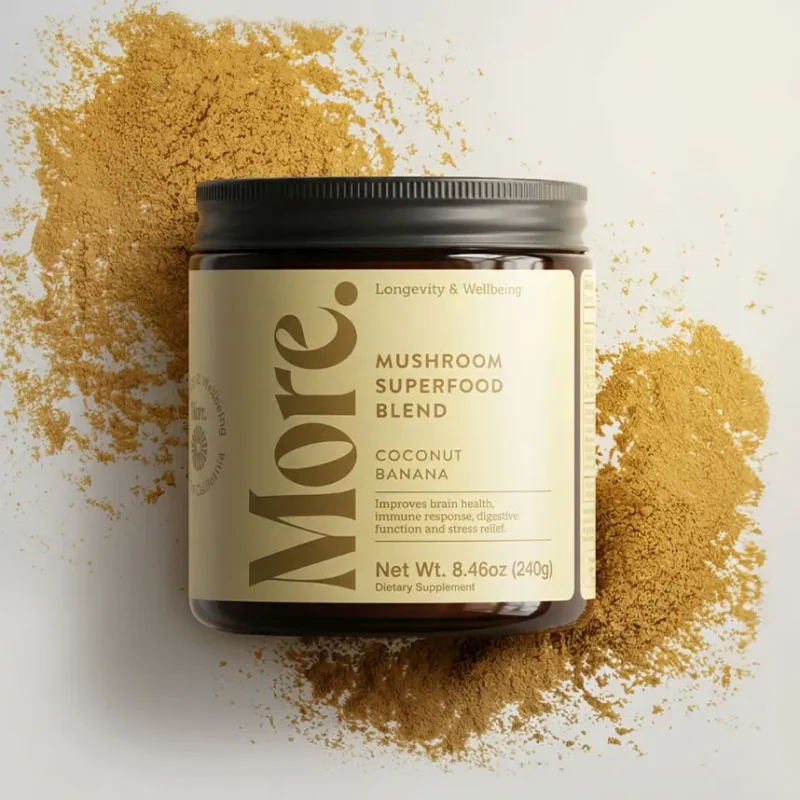
Whether you’re looking to boost your immune system, reduce stress, or enhance your energy levels, natural mushroom blends offer a wide range of health benefits. At More Wellbeing, we offer premium-quality mushroom blends that are carefully crafted to support your body’s needs.

Achieving Balance in Your 50s: A Holistic Wellness Guide


Physical Wellness: Staying Active and Eating Right

Physical activity and nutrition become even more essential as we age. Regular movement helps maintain muscle mass, keeps joints healthy, and supports cardiovascular function. Incorporating walking, yoga, or strength training exercises can improve your physical health and mental clarity. Aim for at least 150 minutes of moderate weekly exercise, focusing on consistency rather than intensity.

Proper nutrition plays a significant role in aging, in addition to exercise. Lean proteins, such as fish or plant-based sources, help maintain muscle mass. Omega-3 fatty acids, found in fatty fish, walnuts, and flaxseeds, can reduce inflammation and support heart health. Don’t forget the importance of hydration. Your body’s ability to retain water decreases as you age, making it essential to stay well-hydrated.

Mental and Emotional Balance: Mindfulness and Stress Reduction

Managing stress is vital to achieving balance in your 50s. Chronic stress can impact your physical health, making it harder to maintain a balanced life. Mindfulness and meditation practices are excellent tools for reducing stress and promoting emotional well-being. Studies show that practicing mindfulness for just 10 minutes a day can improve mood, increase mental clarity, and even enhance sleep quality.

Mindfulness can be as simple as focusing on your breath for a few minutes each day or practicing gratitude before bed. These small steps will add up over time, making it easier to stay emotionally balanced, especially during times of transition.

Social Connections and Purpose: Building Meaningful Relationships

A sense of purpose and strong social connections are critical components of a balanced life. Whether navigating retirement, a career change, or just trying to maintain a healthy work-life balance, staying connected with loved ones can improve your emotional and physical health. Studies suggest that individuals with strong social ties tend to live longer, healthier lives. Volunteering, joining a club, or a new hobby can help build these meaningful connections.

Conclusion: Prioritizing Balance for Longevity and Happiness

Achieving balance in your 50s isn’t just about staying active or eating well; it’s about fostering mental clarity, emotional well-being, and social connections. Making small, intentional changes in each area of your life can create a strong foundation for longevity and happiness. Start today by focusing on one aspect of balance, whether physical, mental, or emotional, and watch as the benefits begin to ripple through all areas of your life.

Your Cart
Add $100 more to your cart to unlock Free U.S. Shipping!
$100
Your wellness bag is waiting. Start with these essentials.Return to Shop
Wellness Essentials Our Customers Love