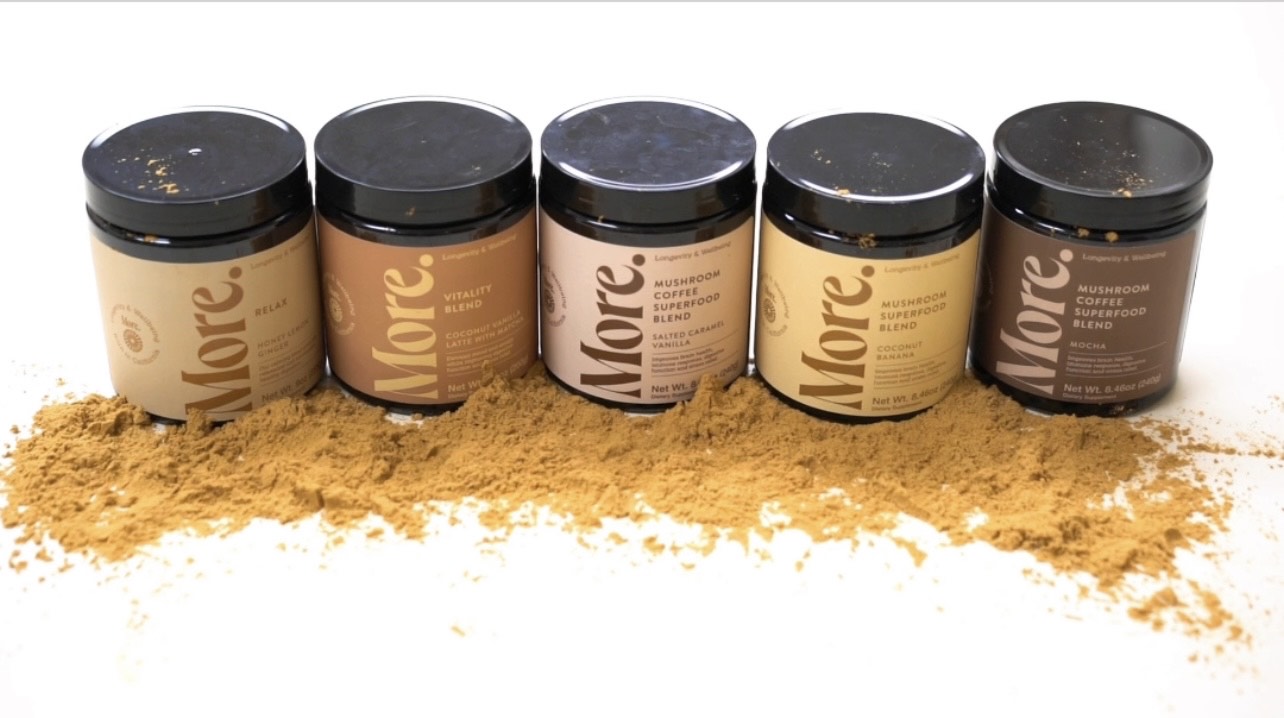
Mushroom Blends: A Healthier Alternative to Coffee?

What are Mushroom Blends?

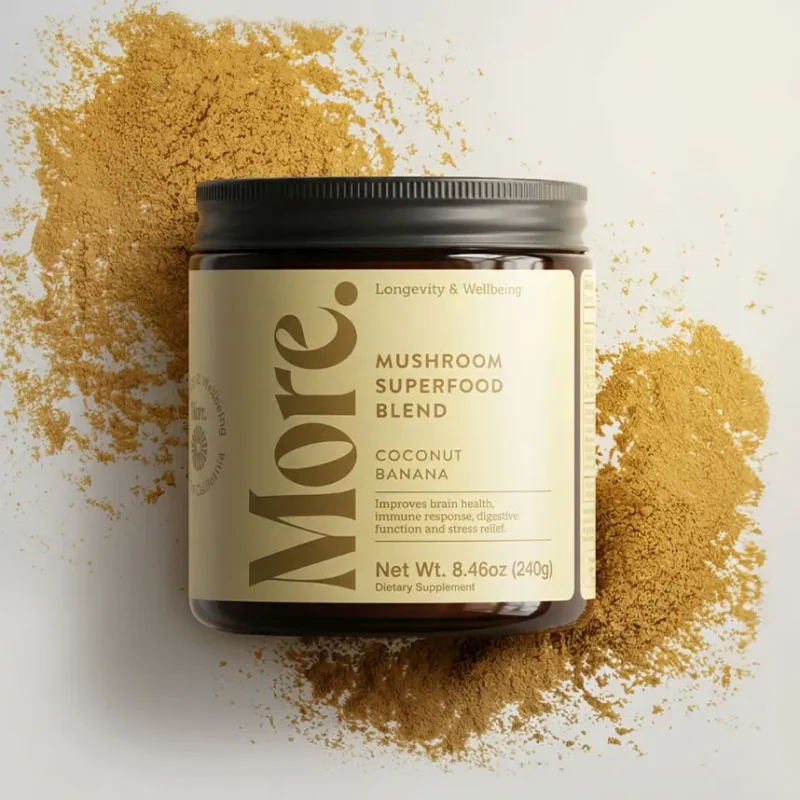
Mushroom blends are a unique combination of ground coffee beans and various medicinal mushrooms, such as Lion’s Mane, Chaga, Cordyceps, and Reishi. These mushrooms have been used for centuries in traditional medicine for their potential health benefits

Benefits of Mushroom Blends

  1. Natural Energy Boost: While mushroom blends don’t contain caffeine, they offer a more sustainable and balanced energy boost. The adaptogenic properties of these mushrooms can help your body better respond to stress and fatigue.
  2. Improved Cognitive Function: Lion’s Mane, in particular, has been studied for its potential to enhance cognitive function, including memory, focus, and concentration.
  3. Boosted Immunity: Many medicinal mushrooms are known for their immune-supporting properties. They may help strengthen your body’s defenses against illness and disease.
  4. Reduced Inflammation: Chronic inflammation is linked to various health issues. Mushroom blends may help reduce inflammation in the body, potentially improving overall well-being.
  5. Improved Gut Health: Some mushrooms, like Reishi, contain compounds that can support healthy gut function. A healthy gut is essential for overall health and digestion.


Switching to Mushroom Blends

If you’re considering switching from coffee to mushroom blends, here are a few tips

  • Start Gradually: To minimize any withdrawal symptoms from caffeine, gradually reduce your coffee intake while incorporating mushroom blends into your routine.
  • Experiment with Different Blends: There are many different mushroom blend options available. Experiment with different combinations to find your favorite taste.
  • Consider Your Goals: If you’re looking for a specific benefit, such as improved cognitive function or enhanced immunity, choose a blend that contains the appropriate mushrooms.

Conclusion

Mushroom blends offer a promising alternative to coffee, providing natural energy, cognitive support, and potential health benefits. If you’re looking to improve your overall well-being and reduce your reliance on caffeine, consider giving mushroom blends a try.

 

Ensuring Safety and Quality in Nutritional Supplements

Microorganisms

Aerobic Plate Count (APC) is a method used to estimate the number of live, viable microorganisms in a product.
While not all microorganisms are harmful, a high APC can indicate poor sanitation, improper handling, or storage conditions.

E. coli (E. coli) is another harmful bacterium that can contaminate food and supplements.
Certain strains of E. coli can cause severe foodborne illness, leading to symptoms such as severe stomach cramps, diarrhea (often bloody) and vomiting. In some
cases, E. coli infection can result in kidney failure.

Salmonella is a type of bacteria that can cause serious and sometimes fatal infections in humans.
Symptoms of Salmonella infection include diarrhea, fever and abdominal cramps. For vulnerable populations such as infants, the elderly and those with
weakened immune systems, the consequences can be even more severe.

Yeast and Mold are types of fungi that can grow in various environments. While not all yeast and mold are
harmful, certain strains can cause allergic reactions, respiratory issues and other health problems.

Heavy Metals

Heavy metals such as lead, mercury, cadmium and arsenic can be present in the environment and can
contaminate raw materials used in supplements. Chronic exposure to these metals can lead to serious
health problems, including neurological damage, kidney damage and an increased risk of cancer.

Consumer Confidence

By conducting rigorous testing for microorganisms and heavy metals, nutritional supplement companies can
ensure that their products are safe for consumption and free from harmful contaminants.
This not only protects consumers but also builds trust and confidence in the brand.

Consumer Protection ensures that supplements are free from harmful microorganisms and heavy metals
protects consumers from potential health risks. This is particularly important for those with compromised immune systems or underlying health conditions.

Regulatory Compliance testing helps supplement companies comply with regulatory standards set by
agencies such as the Food and Drug Administration (FDA). Non-compliance can result in product recalls, legal action and damage to the brand’s reputation.

Quality Assurance demonstrates that a company is committed to producing high-quality, safe products,
which can enhance brand loyalty and consumer trust.

By investing in comprehensive testing, nutritional supplement companies ensure that they provide safe,
high-quality products that support consumer well-being. This protects public health, while fostering trust and confidence in the brand, contributing to the
long-term success of the Natural Products Industry.

Lifespan vs. Healthspan

Understanding the difference between lifespan and health span is crucial for those who aim to live longer and well throughout their later years.

What is Lifespan? Lifespan refers to the total number of years a person lives, from birth to death. Advances in medicine, sanitation, and public health have dramatically increased the average lifespan over the past century. According to the World Health Organization, the global average lifespan is now around 73 years, with some regions seeing higher averages. While lifespan is an important measure, it only tells part of the story regarding aging.

What is Healthspan? Healthspan, on the other hand, focuses on the quality of life during those years. It is when a person is healthy and free from severe or chronic illness. Healthspan emphasizes the years of life lived in good health, without significant disease or disability. Unlike lifespan, which measures how long a person lives, healthspan considers how well a person lives during those years.

Why the Difference Matters? While increasing lifespan is a notable achievement, extending healthspan is arguably more critical for ensuring that those additional years are spent enjoying life rather than enduring illness. In many developed countries, people live longer but not necessarily healthier. For instance, the last 10 to 15 years of life are often marked by chronic conditions such as heart disease, diabetes, or cognitive decline. This raises important questions about the focus of healthcare and research: should we aim to extend life at any cost, or should we prioritize extending the period of life free from disease?

The Science Behind Healthspan
Researchers are increasingly focusing on extending health spans through interventions that target the underlying causes of aging. This includes studying the role of genetics, lifestyle, and environmental factors in aging and developing new treatments that can delay or prevent age-related diseases.
For example, caloric restriction, regular physical activity, and stress management have all been shown to positively impact healthspan by reducing the risk of chronic diseases.

There is also growing interest in the development of drugs and therapies that can delay the onset of diseases associated with aging. Some of these interventions focus on cellular health, such as promoting autophagy (the process by which cells clean out damaged components) or reducing inflammation, which is known to contribute to many age-related conditions.

Practical Steps to Improve Healthspan

Improving your healthspan involves adopting a lifestyle that supports overall well-being and reduces the risk of chronic diseases.

Here are some practical steps:
1. Nutrition:Eating a balanced diet rich in whole foods, including fruits, vegetables, lean proteins, and healthy fats can help maintain health and prevent disease.

2. Exercise: Regular physical activity, including both aerobic and strength-training exercises, is crucial for maintaining muscle mass, cardiovascular health, and cognitive function as you age.

3. Sleep:Prioritizing sleep is essential for recovery and long-term health. Aim for 7-9 hours of quality sleep per night.

4. Mental Health: Engaging in activities that reduce stress, such as meditation, yoga, or spending time in nature, can have profound effects on your overall well-being and longevity.

5. Regular Check-ups: Staying proactive with health screenings and check-ups can catch potential issues early and keep you on track for a longer, healthier life.

Conclusion: While the quest to extend lifespan continues, the focus on extending healthspan is gaining momentum. By making lifestyle choices that promote good health and adopting interventions that target the aging process, it’s possible to add not just years to life, but life to years. Ultimately, the goal should be to live not just longer, but better enjoying the fullness of life well into old age.

The Power of Personalized Supplements

Traditional supplements are designed for the masses, adhering to a one-size-fits-all approach. While these products can be beneficial, they often fail to address the unique nutritional needs of individuals. Factors such as age, gender, genetics, lifestyle and specific health goals are rarely considered in the formulation of standard products. This generic approach can lead to sub-optimal results.

Personalized supplementation, also known as precision nutrition, is a revolutionary approach that targets individual needs. By leveraging advanced technologies and scientific research, personalized supplementation aims to provide customized nutrient solutions that cater to the specific goals of each person.

The Science Behind Personalization

Genetic Profiling: One of the foundations of personalized supplementation is genetic testing. By analyzing one’s DNA, genetic variations that influence nutrient metabolism, absorption and utilization can be identified. Some people may have genetic predispositions that affect nutrient absorption. In turn, personalized nutritional supplements can be formulated to address these unique genetic factors

Biomarker Analysis: Blood tests and other biomarker assessments provide valuable insights into an individual’s current health status and nutritional deficiencies. This allows for precise adjustments in supplementation to correct imbalances while optimizing health.

Lifestyle and Dietary Assessment: Understanding an individual’s lifestyle, diet and habits is necessary for creating an effective personalized nutritional supplementation program. Physical activity, stress levels, sleep patterns and dietary preferences all play significant roles when assessing nutritional requirements. Personalized supplementation ensures that the recommended program aligns with one’s lifestyle.

The Benefits of Personalized Supplementation

Enhanced Efficacy: Personalized nutritional supplementation is designed to meet the specific needs of an individual, leading to more effective results. By addressing deficiencies and optimizing one’s nutrient intake, such programs can significantly improve results.

Reduced Risk: Personalized nutritional supplementation minimizes risk by providing precise dosages, per individual requirements, ensuring safe and effective use.

The Role of Condition-Specific Supplements

Condition-specific supplements are a key component of personalized supplementation. These formulas are designed to address particular health issues, providing nutrients that support specific bodily functions.

Targeted Nutrient Support: Condition-specific supplements provide targeted support, supplying nutrients that can help manage symptoms and improve quality of life.

Personalized Health Management: Individuals with chronic conditions often require long-term management strategies. Condition-specific supplements are formulated to compliment other treatments, providing a holistic approach to health management.

The Future of Supplementation

As technology continues to advance, the possibilities for customization and precision in nutrition are endless. The growing consumer demand for personalized health solutions is driving innovation and investment in this field and companies are recognizing the value of offering products and services in the personalized nutrition space.

Monk Fruit – A Healthy Alternative to Stevia

Aftertaste

One of the most commonly reported issues with stevia is aftertaste. People find that stevia has a lingering,
sometimes bitter flavor that can detract from the enjoyment of foods and beverages.

Digestive Issues

Some individuals experience digestive discomfort when consuming stevia. This can include symptoms such as bloating, gas and diarrhea.

Potential Allergenic Reactions

While rare, there have been reports of allergic reactions to stevia. Symptoms can range from mild skin rashes to more severe reactions that include difficulty breathing.

Uncertainty About Long-Term Effects

Although stevia has been approved for use by various health authorities, there is still some uncertainty about its long-term effects.

Interaction with Medications

Stevia can potentially interact with medication. Due to its effect on blood pressure / blood sugar levels, one might face complications.
It is important for individuals on such medications to consult their healthcare provider before
using stevia regularly.

Why Monk Fruit is a Superior Alternative

Monk Fruit has a clean, pleasant taste. This makes it a more enjoyable sweetener for a wide range of foods /
beverages, allowing one to sweeten their treats without compromising on flavor.

It is well-tolerated and does not cause digestive issues that are commonly associated with stevia.

It is considered safe for most people, including those with food allergies. There have been no significant reports of allergic reactions to monk fruit, making it a safer choice for those with sensitivities.

It contains powerful antioxidants. These compounds help fight free radicals in the body, reducing oxidative stress.Stevia does not offer this same benefit.

It has been used for centuries in traditional Chinese medicine without any known adverse effects. Current research supports its safety and it has been approved for use by major health authorities around the world.

While stevia and monk fruit are both natural sweeteners that offer a calorie-free alternative to sugar, monk fruit is a superior choice.
It has a long history of safe use, which provides peace of mind for individuals seeking a healthier
way to living.

Nutritional Supplements for a Healthy Life

Longevity

The focus of longevity is experiencing a longer, more fulfilling life. The field of science is rapidly advancing, unveiling important factors that contribute to health. This includes lifestyle choices and environmental influences. The role that nutritional supplementation plays in this process is significant and it has been gaining attention.

The Importance of Supplementation

With time, our bodies undergo various changes that can affect overall health and vitality. Needs evolve and the body’s ability to absorb essential nutrients decline with age. Supplements can address nutritional requirements that may not be adequately met through diet alone, ensuring one receives the necessities to function optimally.

Nutritional Gaps

The modern diet lacks essential nutrients due to factors such as soil depletion, food processing and lifestyle choices. Proper nutritional supplementation can provide a convenient and effective way to address these deficiencies. By ensuring the right balance of vitamins and minerals, one can support their body in maintaining health and vitality.

Antioxidants

A critical area where proper diet can make a significant impact is in combating oxidative stress. This is a process that occurs when an imbalance between free radicals and antioxidants takes place. This can lead to cellular damage and contributes to the aging process. Antioxidants, which can be found in various supplements, help neutralize free radicals, which protect cells and support overall health.

Immune Function

The immune system is essential for overall wellbeing. As we age, this function declines, making one more susceptible to infection and illness. Supplements that support immune health encourage one’s natural defense, ensuring a healthier and more resilient response during the aging process.

Supplementing a Healthy Lifestyle

While nutritional supplementation can provide significant benefits, results are most effective when combined with a healthy lifestyle. Here are sometips to enhance longevity:

  1. Balanced Diet: Focus on a nutrient-rich diet that includes plenty of fruits, vegetables, whole grains and lean proteins.
  2. Regular Exercise: Engage in regular physical activity to support cardiovascular health, maintain muscle mass and improve overall fitness.
  3. Sleep: Prioritize proper sleep habits to ensure that you get enough rest each night.
  4. Stress Management: Practice mindfulness, meditation or other stress-reducing techniques to promote mental wellbeing.
  5. Avoid Harmful Habits: Limit alcohol consumption, avoid smoking, and reduce exposure to environmental toxins.

Individuals are interested in living longer, healthier lives. By incorporating proper nutritional supplementation and a holistic approach into one’s daily routine, the secrets to longevity and a vibrant, fulfilling life can be achieved more easily.

Disclaimer:
This blog is for informational purposes only and not a substitute for medical advice. Consult a healthcare professional before starting any supplement or making changes to your health routine.

Misconceptions in the Natural Products Industry

Are supplements truly unregulated?
Does “natural” mean ineffective?

Let’s unpack some of the most common myths in the natural products industry—and what informed consumers should really be looking for.

As interest in holistic health continues to grow, so do the assumptions surrounding how supplements are made, sold, and regulated. While some skepticism is understandable, much of the narrative is shaped by outdated or oversimplified claims.

At More. Longevity & Wellbeing, we believe that clarity—rooted in science and transparency—is the foundation of true wellness. Below are three common misconceptions we regularly encounter, along with facts to help you cut through the noise.


1. “Supplements Aren’t Regulated”

This is one of the most widespread myths.

While it’s true that supplements aren’t regulated like pharmaceuticals, they are far from unregulated.

In the U.S., the Food and Drug Administration (FDA) and Federal Trade Commission (FTC) both oversee the supplement industry. Brands are legally required to:

  • Follow current Good Manufacturing Practices (cGMPs)

  • Ensure product safety

  • Avoid false or misleading claims

That said, the level of oversight can vary—and so can product quality. That’s why independent, third-party testing is critical. Reputable brands provide batch-specific Certificates of Analysis (COAs) that confirm:

  • Identity

  • Purity

  • Potency


2. “Natural Means It’s Either Safe—or Useless”

“Natural” is often misunderstood.
Some believe it guarantees safety; others dismiss it as ineffective. Neither assumption is accurate.

Effectiveness and safety depend on the full context:

  • Dosage

  • Ingredient form

  • Delivery system

  • How ingredients interact in the body

Bioavailability—the body’s ability to absorb and use nutrients—is often more important than whether something is labeled “natural.”

Not all natural ingredients are harmless. Not all are effective.
What matters is how they’re used—thoughtfully, clinically, and in harmony with the body.


3. “More Certifications = Better Product”

Certifications can offer value—but they don’t tell the whole story.

A supplement might boast labels like:

  • “Clean”

  • “Organic”

  • “Non-GMO”

…yet still fall short in:

  • Ingredient quality

  • Potency

  • Synergy

Labels appeal to perception—but formulation is what drives results.

Smart consumers look deeper. Ask:

  • What’s the source of each ingredient?

  • What form is it in?

  • Is it clinically dosed?

  • Is it tested for contaminants and potency?

  • Does it support whole-body systems, or just suppress symptoms?


A More Informed Way Forward

The natural products space is evolving.

But while the language of wellness is becoming more popular, the substance behind it often lags.

What’s needed isn’t more marketing language—it’s:

  • Clearer information

  • Accessible testing data

  • Science-backed design

At More., we believe the future of wellness is rooted in clarity—not hype.


Disclaimer

This content is for informational purposes only and is not intended to diagnose, treat, cure, or prevent any disease. Statements about supplements have not been evaluated by the Food and Drug Administration (FDA). Always consult a qualified healthcare professional before making changes to your wellness routine.

Supplement Trends – 2024

Functional Mushrooms

The functional mushroom category is has gained popularity due to the immune-boosting, cognitive-enhancing and stress-reducing properties that many ingredients provide. In turn, they are becoming more popular for individuals looking for natural solutions.

Gut Health & Prebiotics

The relationship between gut balance and wellness is well-established and prebiotics continue to be a trend. Consumers are aware of the role that a healthy stomach plays in digestion, immunity and even mental health. Prebiotics encourage balanced flora. They are non-digestible fibers that feed beneficial bacteria and are becoming more popular as they enhance gut health.

Mood and Stress Management

High stress and mental health challenges are on the rise and supplements aimed at mood enhancement / stress reduction are in high demand.

Enhanced Sleep Solutions

Sleep is fundamental to general health and the market for supplements in this category continues to rise. Consumers are turning to natural remedies to address sleep disorders / improve sleep quality. Innovative formulations that combine multiple sleep-supporting ingredients are on the rise, providing comprehensive solutions for individuals who seek restful and rejuvenating sleep.

Sexual Wellness Supplements

The sexual wellness category is of significant interest. Consumers are becoming more open about their health issues and are seeking supplements that can enhance libido, performance and overall sexual well-being. Supplements in this space are designed for hormonal balance and stress reduction.

Consumers are seeking products that deliver results while aligning with their values and lifestyles. As the industry continues to innovate, it’s clear that the future of supplementation will offer exciting opportunities for individuals to enhance their health and well-being through holistic health solutions.

Disclaimer:
The information provided in this blog is for informational purposes only and does not constitute medical advice. The trends and supplements mentioned are based on general market observations and are not intended to diagnose, treat, cure, or prevent any disease. Always consult with a qualified healthcare professional before starting any new supplement or wellness regimen to ensure it is appropriate for your individual health needs.

Your Cart
Add $100 more to your cart to unlock Free U.S. Shipping!
$100
Your wellness bag is waiting. Start with these essentials.Return to Shop
Wellness Essentials Our Customers Love